Journal of Nutrition & Food Sciences
Open Access
ISSN: 2155-9600
ISSN: 2155-9600
Research Article - (2026)Volume 16, Issue 3
Background: Cardiovascular Diseases (CVDs), hypertension, diabetes mellitus, and thrombotic disorders continue to pose significant global public health issues and rank among the primary causes of morbidity and mortality across the globe. These ailments are intricately linked to endothelial dysfunction, chronic inflammation, oxidative stress, and irregular platelet aggregation, all of which lead to detrimental cardiovascular outcomes. As a result, there is a growing interest in the use of medicinal plants and dietary vitamins as adjunctive approaches to enhance cardiovascular and metabolic health. A variety of phytochemicals and micronutrients have shown anticoagulant, antihypertensive, antioxidant, anti-inflammatory, and antidiabetic effects that may lower disease risk and improve clinical outcomes. Research objective: This review aimed to assess the therapeutic potential of seven selected medicinal plants and vitamins-garlic (Allium sativum), ginger (Zingiber officinale), turmeric (Curcuma longa), cinnamon (Cinnamomum verum), green tea (Camellia sinensis), vitamin E, and omega-3 fatty acids-regarding their anticoagulant, antihypertensive, and antidiabetic properties, as well as their overall contributions to cardiovascular and metabolic health. Methods: A narrative review approach was utilized, analyzing peer-reviewed articles, systematic reviews, meta-analyses, randomized controlled trials, and clinical guidelines sourced from electronic databases such as PubMed, Scopus, Web of Science, and Google Scholar. The literature search concentrated on studies that explored the pharmacological activities, mechanisms of action, clinical efficacy, and safety profiles of the selected medicinal plants and vitamins. Results: The evidence reviewed indicates that these medicinal plants and vitamins exert their beneficial effects through various mechanisms, including the inhibition of platelet aggregation, enhancement of nitric oxide bioavailability, reduction of oxidative stress and inflammation, improvement of endothelial function, modulation of lipid metabolism, and enhancement of insulin sensitivity. Clinical studies have shown that garlic and omega-3 fatty acids are particularly effective in lowering blood pressure and mitigating cardiovascular risk, while cinnamon, ginger, and turmeric exhibit promising effects in enhancing glycemic control and decreasing inflammatory biomarkers. Green tea and vitamin E primarily contribute through antioxidant and vascular protective mechanisms. Nevertheless, the evidence also suggests that these natural products should be viewed as complementary interventions rather than replacements for conventional medical treatments. Additionally, several of these agents may elevate the risk of bleeding when used alongside anticoagulant or antiplatelet medications. Conclusion: Current scientific evidence indicates that the selected medicinal plants and vitamins have considerable therapeutic potential for enhancing cardiovascular and metabolic health via anticoagulant, antihypertensive, antioxidant, and antidiabetic mechanisms. Their incorporation into healthy dietary habits and evidence-based
Medicinal plants; Vitamins; Anticoagulant properties; Antihypertensive properties; Antidiabetic properties; Cardiovascular illnesses; Metabolic wellness
ADA: American Diabetes Association; ALA: Alpha-Linolenic Acid; CVD: Cardiovascular Disease; CVDs: Cardiovascular Diseases; COX: Cyclooxygenase; DHA: Docosahexaenoic Acid; EPA: Eicosapentaenoic Acid; EGCG: Epigallocatechin Gallate; HbA1c: Hemoglobin; MeSH: Medical Subject Headings; NF-κB: Nuclear Factor Kappa B; NIH: National Institutes of Health; NSF: National Science Foundation; WHO: World Health Organization.
Cardiovascular Diseases (CVDs) are the foremost cause of illness and death globally, responsible for nearly one-third of all deaths worldwide [1,2]. Key factors contributing to the global CVD burden include hypertension, diabetes mellitus, and thrombotic disorders, which significantly elevate the risk of stroke, myocardial infarction, peripheral arterial disease, heart failure, and chronic kidney disease [3,4]. The development of these conditions is complex and involves multiple factors such as endothelial dysfunction, oxidative stress, chronic inflammation, disrupted glucose metabolism, lipid irregularities, and excessive platelet aggregation, all of which contribute to vascular damage and thrombosis [5-7].
The incidence of diabetes and hypertension rises steadily with age among adults in the United States (Table 1). Approximately 4.2% of adults aged 18-44 years are affected by diabetes, with this figure increasing to 17.8% for those aged 45-64 years and reaching 29.2% for adults aged 65 years and older. A comparable pattern is noted for hypertension, where prevalence escalates from 23.4% in adults aged 18-44 years to 52.5% in those aged 45-64 years, and 71.6% among adults aged 65 years and older [8-10]. These results emphasize the significant link between aging and cardiometabolic diseases, highlighting the necessity for early preventive measures to alleviate the impact of hypertension and diabetes [11-13].
| Age group (Years) | Diabetes prevalence (%) | Hypertension prevalence (%) |
|---|---|---|
| 18-44 | 4.2 | 23.4 |
| 45-64 | 17.8 | 52.5 |
| ≥ 65 | 29.2 | 71.6 |
Table 1: Prevalence of diabetes and hypertension by age group among adults in the United States.
Despite significant progress in pharmacological treatments, including antihypertensive, antidiabetic, antiplatelet, and anticoagulant drugs, the incidence of cardiovascular and metabolic diseases continues to rise globally due to factors like an aging population, sedentary lifestyles, poor dietary choices, obesity, and other modifiable risk factors. While these traditional therapies are quite effective, they can also lead to side effects, drug interactions, high costs, and difficulties with long-term adherence. As a result, there is an increasing interest in discovering safe, accessible, and evidence-based complementary interventions that can enhance conventional treatment approaches and improve long-term cardiovascular and metabolic health outcomes.
Medicinal plants and dietary vitamins have been utilized for centuries within traditional medicine systems to enhance cardiovascular health and address metabolic disorders. Recent advancements in phytochemical and nutritional research have uncovered a variety of bioactive constituentssuch as organosulfur compounds, polyphenols, flavonoids, curcuminoids, catechins, tocopherols, and omega-3 polyunsaturated fatty acids-that demonstrate antioxidant, anti-inflammatory, anticoagulant, antihypertensive, lipidlowering, and antidiabetic properties [14-16]. These bioactive compounds provide protective effects through various mechanisms, including the inhibition of platelet aggregation, enhancement of nitric oxide bioavailability, reduction of oxidative stress and inflammatory signaling, improvement of endothelial function, modulation of lipid metabolism, and enhancement of insulin sensitivity [17,18].
Among the most thoroughly researched natural products are garlic (Allium sativum), ginger (Zingiber officinale), turmeric (Curcuma longa), cinnamon (Cinnamomum verum), green tea (Camellia sinensis), vitamin E, and omega-3 fatty acids. Growing evidence from randomized controlled trials, systematic reviews, and meta-analyses indicates that these medicinal plants and dietary vitamins may enhance vascular function, lower blood pressure, improve glycemic control, decrease oxidative stress, and mitigate the risk of cardiovascular complications when integrated into a healthy dietary regimen and used in conjunction with evidencebased medical care [14,17,19,20]. However, the strength of evidence, mechanisms of action, clinical efficacy, and safety profiles vary among these natural products, underscoring the necessity for a thorough synthesis of the existing literature.
This review seeks to thoroughly assess the therapeutic potential of seven selected medicinal plants and vitaminsgarlic, ginger, turmeric, cinnamon, green tea, vitamin E, and omega-3 fatty acids-focusing on their anticoagulant, antihypertensive, and antidiabetic effects. Additionally, the review explores their mechanisms of action, compiles evidence from clinical studies, discusses their possible contributions to cardiovascular and metabolic health, and underscores significant safety considerations along with suggestions for future research.
Study design
This research utilized a narrative literature review approach to consolidate existing scientific evidence regarding the therapeutic benefits of specific medicinal plants and vitamins known for their anticoagulant, antihypertensive, and antidiabetic effects. The review aimed to assess their mechanisms of action, clinical effectiveness, safety profiles, and potential contributions to enhancing cardiovascular and metabolic health.
Literature search strategy
A thorough literature search was performed using various electronic databases, such as PubMed, Scopus, Web of Science, Google Scholar, and ScienceDirect, to locate pertinent peer-reviewed articles. The search encompassed publications in English from the years 2015 to 2025, while also considering key studies published prior to this timeframe when relevant. The search methodology integrated Medical Subject Headings (MeSH) terms along with free-text keywords, employing Boolean operators. The main search terms included: "Medicinal plants", "phytotherapy", "herbal medicine", "garlic", "ginger", "turmeric", "cinnamon", "green tea", "vitamin E", "omega-3 fatty acids", "anticoagulant", "platelet aggregation", "hypertension", "blood pressure", "diabetes mellitus", "glycemic control", "cardiovascular disease", and "metabolic health." Additionally, reference lists from selected articles were manually reviewed to discover further relevant studies.
Eligibility criteria
Studies were chosen based on established inclusion and exclusion criteria.
Inclusion criteria
Studies were accepted if they: (1) Were published in peer-reviewed scientific journals; (2) investigated one or more of the specified medicinal plants or vitamins (garlic, ginger, turmeric, cinnamon, green tea, vitamin E, or omega-3 fatty acids); (3) evaluated anticoagulant, antihypertensive, antioxidant, anti-inflammatory, or antidiabetic effects; (4) reported findings from randomized controlled trials, clinical trials, cohort studies, systematic reviews, meta-analyses, or experimental studies that provided mechanistic evidence; and (5) were published in English.
Exclusion criteria
The following types of publications were excluded: (1) Conference abstracts lacking full-text access; (2) editorials, commentaries, letters to the editor, opinion pieces, and duplicate publications; (3) studies with inadequate methodological details; and studies not related to cardiovascular disease, hypertension, diabetes mellitus, thrombosis, or the specified medicinal plants and vitamins.
Data extraction
Relevant data were independently extracted from each eligible publication using a standardized approach. The information extracted included (1) author(s) and year of publication; (2) study design; (3) study population or experimental model; (4) medicinal plant or vitamin studied; (5) principal bioactive compound(s); (6) dosage and duration of intervention, if applicable; (7) proposed mechanism of action; (8) primary clinical or experimental outcomes; (9) reported adverse effects or safety considerations; and (10) key conclusions.
Data synthesis
The gathered evidence was qualitatively synthesized and categorized based on the seven selected medicinal plants and vitamins. For each natural product, the review encapsulates its key bioactive components, therapeutic uses, mechanisms of action, clinical trial evidence, and safety considerations. Comparative analyses were performed to highlight the similarities and differences in pharmacological activities and clinical efficacy, particularly focusing on anticoagulant, antihypertensive, and antidiabetic properties.
Quality and reliability of evidence
To bolster the scientific integrity of the review, a stronger focus was placed on evidence obtained from randomized controlled trials, systematic reviews, meta-analyses, and clinical practice guidelines issued by reputable organizations, such as the World Health Organization (WHO), the American Diabetes Association (ADA), and the National Institutes of Health (NIH). Experimental and mechanistic studies were incorporated to elucidate the biological pathways that underpin the observed therapeutic effects. Preference was given to studies characterized by robust methodologies, sufficient sample sizes, and clinically pertinent outcomes.
The literature review uncovered a wealth of peer-reviewed research exploring the therapeutic benefits of medicinal plants and vitamins in preventing and managing cardiovascular and metabolic disorders, with a particular focus on hypertension, diabetes mellitus, and thrombotic conditions. This paper examines the evidence surrounding seven specific medicinal plants and vitamins: Allium sativum (garlic), Zingiber officinale (ginger), Curcuma longa (turmeric), Cinnamomum verum (cinnamon), Camellia sinensis (green tea), vitamin E, and omega-3 fatty acids. These natural products were chosen due to the extensive scientific evidence supporting their anticoagulant, antihypertensive, antioxidant, antiinflammatory, and antidiabetic effects.
The synthesized findings in this review suggest that the therapeutic effects of these medicinal plants and vitamins operate through various biological mechanisms. These include the inhibition of platelet aggregation, enhancement of nitric oxide bioavailability, reduction of oxidative stress and chronic inflammation, improvement of endothelial function, modulation of lipid metabolism, and enhancement of insulin sensitivity. Together, these mechanisms contribute to better cardiovascular and metabolic health and may lower the risk of complications related to hypertension, diabetes mellitus, and cardiovascular disease.
Instead of offering a detailed summary of all published research, this review paper focuses on critically synthesizing the most pertinent findings from experimental studies, randomized controlled trials, systematic reviews, and metaanalyses. The following sections delve into each medicinal plant and vitamin, highlighting their key bioactive compounds, mechanisms of action, therapeutic uses, clinical study evidence, and safety considerations. This methodology offers a thorough understanding of their potential as complementary interventions for enhancing cardiovascular and metabolic health, while also pinpointing existing evidence gaps and future research requirements.
Garlic and its anticoagulant, antihypertensive, and antidiabetic properties
Garlic is recognized as one of the most thoroughly researched medicinal plants concerning cardiovascular and metabolic health. The existing literature consistently shows that garlic exhibits anticoagulant, antihypertensive, antioxidant, and antidiabetic properties, primarily due to its organosulfur compounds such as allicin, ajoene, and S-allyl cysteine [19,21,22].
Clinical studies have indicated that garlic supplementation leads to significant reductions in both systolic and diastolic blood pressure, especially in individuals suffering from uncontrolled hypertension. Numerous randomized controlled trials have also noted enhancements in endothelial function, arterial elasticity, and lipid profiles as a result of garlic supplementation [19].
The cardiovascular advantages of garlic are facilitated through various mechanisms, including the inhibition of platelet aggregation, suppression of thromboxane production, enhancement of nitric oxide availability, reduction of oxidative stress, and modulation of inflammatory pathways [23,24]. Additionally, research has shown improvements in fasting blood glucose levels and insulin sensitivity, indicating that garlic may play a role in glycemic control for patients with type 2 diabetes mellitus [25,26]. While the evidence robustly supports garlic as a complementary therapy, the variability in garlic preparations, dosages, and treatment durations across studies presents a limitation that necessitates further standardization.
Ginger and its anticoagulant, antihypertensive, and antidiabetic properties
The studies reviewed suggest that ginger possesses a wide range of pharmacological properties, including anticoagulant, anti-inflammatory, antihypertensive, and antidiabetic effects. These biological activities are primarily linked to compounds such as gingerols, shogaols, and zingerone, which influence inflammatory mediators and oxidative stress pathways [22,27,28].
Clinical trials indicate that ginger supplementation leads to a significant decrease in fasting blood glucose levels, Glycated Hemoglobin (HbA1c), inflammatory markers, and insulin resistance among individuals with type 2 diabetes mellitus [29,30].
Additionally, ginger has been shown to inhibit platelet aggregation by blocking cyclooxygenase and lipoxygenase pathways, which in turn reduces thromboxane production and platelet activation. Enhancements in vascular relaxation and endothelial function further bolster its antihypertensive effects [31,32]. However, despite these encouraging results, further large-scale clinical trials are necessary to establish optimal therapeutic dosages and assess long-term safety.
Turmeric and its anticoagulant, antihypertensive, and antidiabetic properties
Turmeric has garnered significant scientific interest due to curcumin, its main bioactive component. Curcumin demonstrates strong antioxidant, anti-inflammatory, anticoagulant, and antidiabetic properties by modulating various molecular signaling pathways [14,33].
The evidence reviewed suggests that curcumin inhibits nuclear factor kappa B (NF-κB), reduces inflammatory cytokines, boosts nitric oxide production, and mitigates oxidative stress, which collectively enhances endothelial function and vascular health.
Clinical research has shown improvements in insulin sensitivity, glycemic control, inflammatory markers, and vascular function after curcumin supplementation [14,34,35]. Nevertheless, the relatively low oral bioavailability of curcumin poses a significant challenge, leading to the creation of advanced formulations aimed at improving absorption and therapeutic effectiveness.
Cinnamon and its anticoagulant, antihypertensive, and antidiabetic properties
Cinnamon has been extensively studied for its positive impact on glucose metabolism and heart health. The key bioactive components, such as cinnamaldehyde and polyphenols, improve insulin receptor signaling, facilitate glucose uptake, and lower oxidative stress [36,37].
The clinical studies reviewed consistently show decreases in fasting blood glucose, Glycated Hemoglobin (HbA1c), serum triglycerides, and total cholesterol levels in individuals with type 2 diabetes mellitus [38,39].
Additionally, cinnamon displays mild antihypertensive and antiplatelet properties, which may aid in cardiovascular protection [40-42]. However, it is important to be cautious about the excessive intake of cassia cinnamon due to its relatively high coumarin levels, which could elevate bleeding risk and lead to hepatotoxicity [43]. Therefore, Cinnamomum verum (Ceylon cinnamon) is typically recommended for longterm dietary use.
Green tea and its anticoagulant, antihypertensive, and antidiabetic properties
Green tea is rich in catechins, particularly Epigallocatechin Gallate (EGCG), which possesses strong antioxidant and antiinflammatory properties. The reviewed evidence indicates that regular green tea consumption improves endothelial function, enhances nitric oxide bioavailability, reduces oxidative stress, and inhibits platelet activation [44,45].
Clinical studies have demonstrated modest reductions in blood pressure, improvements in lipid metabolism, and enhanced glucose regulation among individuals at risk of cardiovascular disease and diabetes [46]. Although the anticoagulant activity of green tea is less pronounced than that of garlic or ginger, its overall cardioprotective effects are supported by substantial epidemiological and clinical evidence. These findings suggest that green tea may serve as a valuable dietary component for reducing cardiovascular risk when incorporated into a healthy lifestyle.
Vitamin E and its anticoagulant, antihypertensive, and antidiabetic properties
Vitamin E is a vital lipid-soluble antioxidant that safeguards cell membranes from oxidative damage and maintains vascular integrity. Research indicates that α-tocopherol decreases lipid peroxidation, inhibits platelet aggregation, and enhances endothelial function through its antioxidant properties [47-49].
Numerous clinical studies have shown reductions in oxidative stress and enhancements in specific vascular complications linked to diabetes mellitus [50,51]. Nevertheless, the evidence regarding its efficacy in preventing significant cardiovascular events is inconsistent, with some studies indicating minimal or no additional advantages in healthy individuals. Moreover, high-dose vitamin E supplementation may elevate the risk of bleeding, especially when taken alongside anticoagulant or antiplatelet therapies. Consequently, vitamin E supplementation should be tailored to individual clinical needs and the current body of evidence.
Omega-3 fatty acids and their anticoagulant, antihypertensive, and antidiabetic properties
Omega-3 fatty acids, especially Eicosapentaenoic Acid (EPA) and Docosahexaenoic Acid (DHA), are among the most thoroughly researched dietary components for the prevention of cardiovascular diseases. A multitude of randomized controlled trials and meta-analyses reveal that omega-3 fatty acids can lower serum triglycerides, mitigate inflammatory responses, enhance endothelial function, decrease platelet aggregation, and slightly reduce blood pressure [17]. The evidence reviewed also suggests that omega-3 fatty acids play a role in reducing cardiovascular risk in individuals with diabetes mellitus by enhancing lipid metabolism and decreasing vascular inflammation [17,52].
Their anticoagulant properties are mainly facilitated by changes in platelet membrane composition and a reduction in the production of prothrombotic eicosanoids [53,54]. While omega-3 fatty acids provide significant cardioprotective advantages, excessive intake may lead to an increased risk of bleeding in vulnerable individuals, highlighting the necessity for proper dosage and clinical oversight.
Comparative discussion
The literature reviewed collectively indicates that the seven chosen medicinal plants and vitamins provide complementary therapeutic benefits through shared biological mechanisms. These include the inhibition of platelet aggregation, increased production of nitric oxide, decreased oxidative stress and chronic inflammation, improved endothelial function, modulation of lipid metabolism, and enhanced insulin sensitivity [14,17,19].
Among the interventions analyzed, garlic and omega-3 fatty acids present the most robust evidence for lowering blood pressure and offering cardiovascular protection. In contrast, cinnamon, ginger, and turmeric exhibit particularly encouraging effects on glycemic control and inflammatory markers. Green tea and vitamin E primarily contribute through their antioxidant properties and vascular protective effects. While these findings advocate for the incorporation of these natural products into healthy dietary practices and complementary healthcare approaches, they should not substitute for established pharmacological treatments. There is a need for further well-structured, multicenter randomized controlled trials to determine standardized dosages, optimize formulations, assess long-term safety, and bolster the evidence for clinical use.
Medicinal/therapeutic properties of selected medicinal plants and vitamins
Figure 1 below shows the relationship between the selected medicinal plants/vitamins and their principal therapeutic/medicinal properties. The figure illustrates the major pharmacological activities reported in the literature for garlic (Allium sativum), ginger (Zingiber officinale), turmeric (Curcuma longa), cinnamon (Cinnamomum verum), green tea (Camellia sinensis), vitamin E, and omega-3 fatty acids. The therapeutic properties include anticoagulant, antihypertensive, antidiabetic, antioxidant, anti-inflammatory, and cardioprotective activities.
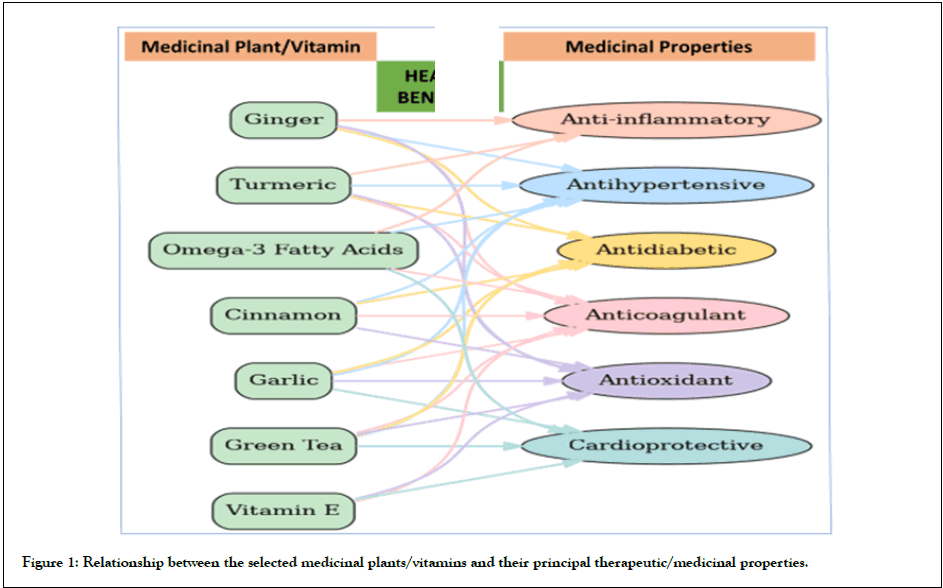
Figure 1: Relationship between the selected medicinal plants/vitamins and their principal therapeutic/medicinal properties.
Figure 2 below illustrates that the selected medicinal plants and vitamins share overlapping therapeutic properties through complementary mechanisms of action. Garlic, ginger, turmeric, and omega-3 fatty acids are acknowledged for their anticoagulant effects, which involve the reduction of platelet aggregation and thrombus formation. Additionally, garlic, ginger, cinnamon, green tea, and omega-3 fatty acids demonstrate antihypertensive properties by enhancing endothelial function, increasing nitric oxide bioavailability, and facilitating vasodilation.
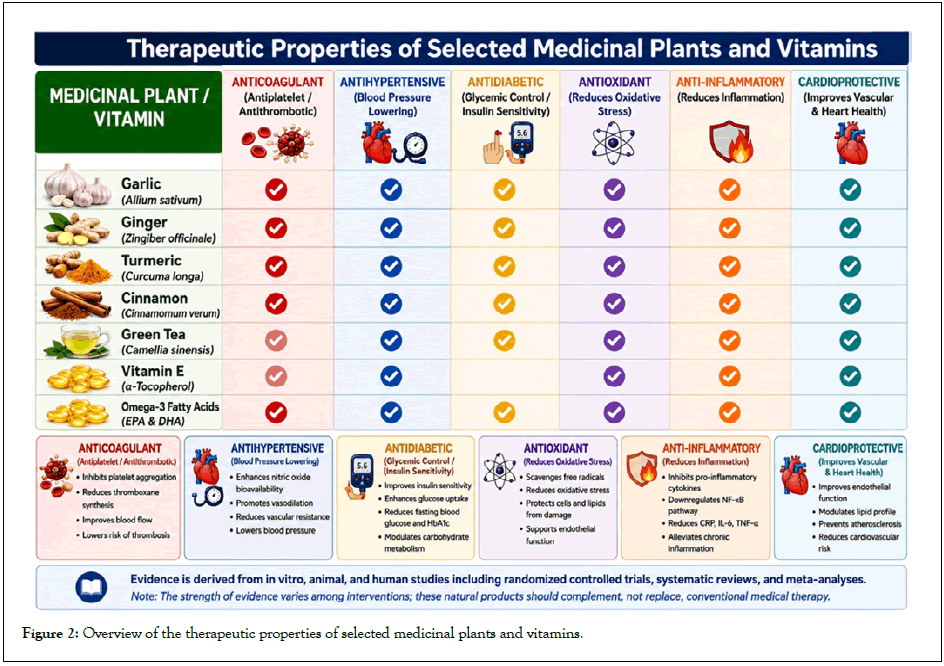
Figure 2: Overview of the therapeutic properties of selected medicinal plants and vitamins.
Cinnamon, garlic, ginger, turmeric, and green tea also play a role in improving glycemic control by boosting insulin sensitivity and glucose metabolism. Moreover, most of the selected medicinal plants and vitamins exhibit antioxidant and anti-inflammatory properties, which help to mitigate oxidative stress and chronic inflammation, two significant factors contributing to cardiovascular disease and diabetes mellitus. In summary, these complementary therapeutic effects underscore the potential of these medicinal plants and vitamins as supportive dietary interventions aimed at enhancing cardiovascular and metabolic health.
The active ingredients present in garlic, ginger, turmeric, cinnamon, green tea, vitamin E, and omega-3 fatty acids exhibit unique chemical structures that dictate their biological roles and therapeutic benefits. Although these compounds belong to various chemical categories, they possess shared structural characteristics that enhance their antioxidant, anti-inflammatory, cardioprotective, and antidiabetic properties (Figure 3).
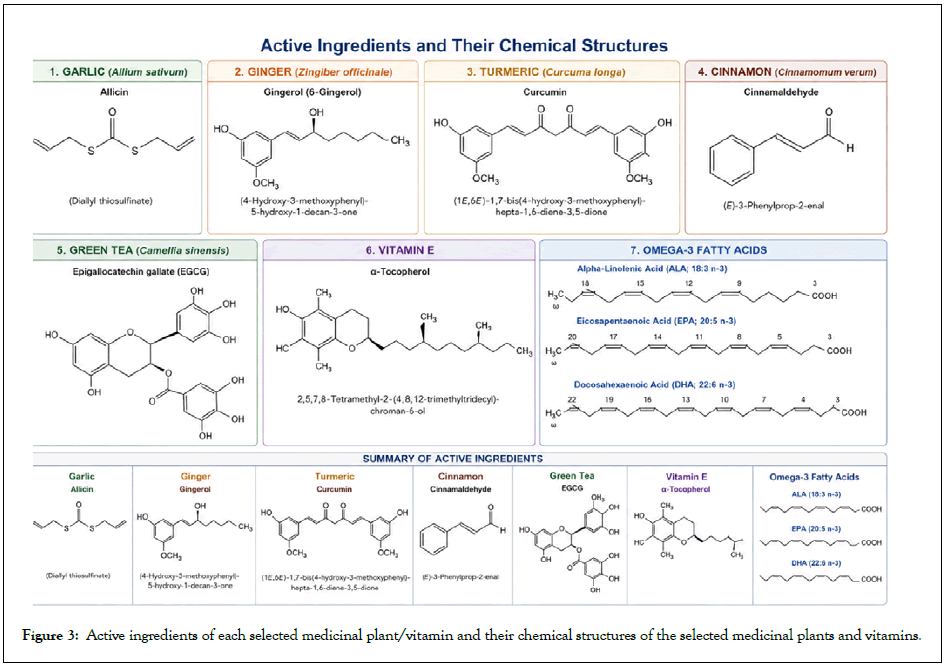
Figure 3: Active ingredients of each selected medicinal plant/vitamin and their chemical structures of the selected medicinal plants and vitamins.
Garlic (Allium sativum) features allicin, an organosulfur compound distinguished by a highly reactive thiosulfinate (-S(O)-S-) functional group that connects two allyl groups. This sulfur-based structure allows allicin to interact with cellular thiol groups, resulting in significant antimicrobial, antioxidant, and anti-inflammatory effects (Figure 3).
Ginger (Zingiber officinale) contains 6-gingerol as its main bioactive compound. The structure of 6-gingerol includes an aromatic benzene ring that is substituted with Hydroxyl (-OH) and Methoxy (-OCH3) groups, which are linked to a hydrocarbon chain featuring a hydroxyl group and ketone functionality. The presence of these phenolic hydroxyl groups contributes to its potent antioxidant properties, while the extended alkyl chain amplifies its anti-inflammatory and metabolic effects.
Turmeric (Curcuma longa) is known for curcumin, a polyphenolic diarylheptanoid that consists of two phenolic aromatic rings joined by a conjugated α,β-unsaturated diketone linker. The extensive system of conjugated double bonds facilitates electron delocalization, imparting curcumin with its distinctive yellow hue and exceptional ability to scavenge free radicals. The antioxidant and anti-inflammatory properties of curcumin are primarily attributed to its phenolic hydroxyl groups (Figure 3).
Cinnamon (Cinnamomum verum) is abundant in cinnamaldehyde, an aromatic aldehyde that features a benzene ring linked to an α,β-unsaturated aldehyde side chain. This conjugated configuration is responsible for its unique fragrance and various biological effects, such as enhanced insulin sensitivity, antioxidant properties, and the suppression of inflammatory pathways (Figure 3).
Green tea (Camellia sinensis) is rich in catechins, especially Epigallocatechin Gallate (EGCG). EGCG has a complex f lavonoid structure characterized by multiple aromatic rings and several phenolic hydroxyl groups, in addition to a gallate ester component. The high quantity of hydroxyl groups facilitates the effective donation of hydrogen atoms to neutralize reactive oxygen species, establishing EGCG as one of the most powerful naturally occurring antioxidants.
Vitamin E, mainly found as α-tocopherol, features a chromanol ring with a phenolic hydroxyl group linked to a lengthy hydrophobic phytyl side chain. The hydroxyl group donates hydrogen atoms to halt lipid peroxidation chain reactions, while the hydrophobic tail secures the molecule within cell membranes, enabling vitamin E to safeguard membrane lipids from oxidative harm.
Omega-3 fatty acids, which include Alpha-Linolenic Acid (ALA), Eicosapentaenoic Acid (EPA), and Docosahexaenoic Acid (DHA), are long-chain polyunsaturated fatty acids defined by a terminal carboxyl group and several cis double bonds, with the first double bond situated three carbon atoms from the methyl (ω) end. These numerous unsaturated bonds enhance membrane fluidity and act as precursors for antiinflammatory lipid mediators that promote cardiovascular, neurological, and metabolic well-being (Figure 3).
Despite the structural differences among these bioactive compounds, several shared chemical characteristics account for their advantageous biological effects:
• The presence of phenolic Hydroxyl (-OH) groups in curcumin, 6-gingerol, EGCG, and α-tocopherol imparts significant antioxidant properties by donating hydrogen atoms to neutralize free radicals.
• Conjugated double-bond systems found in curcumin and cinnamaldehyde enhance electron delocalization, which contributes to the stability of antioxidants and their antiinflammatory effects.
• Functional groups containing sulfur in allicin provide potent antimicrobial and redox-regulating capabilities that are distinctive to garlic.
• The presence of multiple cis double bonds in omega-3 fatty acids enhances membrane flexibility and aids in the production of anti-inflammatory lipid mediators.
Collectively, these structural traits empower these natural compounds to mitigate oxidative stress, inhibit chronic inflammation, enhance insulin sensitivity, regulate lipid metabolism, and safeguard against cellular damage. These synergistic mechanisms bolster their potential application as dietary elements and supplementary treatments in the prevention and management of diabetes mellitus, cardiovascular diseases, cancer, and other chronic conditions. Table 2 below summarizes the therapeutic uses, mechanisms of action, and relevant clinical evidence suitable for inclusion in a review paper.
| Medicinal plant/vitamin | Therapeutic use | Mechanism of action | Representative clinical evidence |
|---|---|---|---|
| Garlic (Allium sativum) | Hypertension, thrombosis prevention, diabetes, hyperlipidemia | Inhibits platelet aggregation, enhances nitric oxide production, suppresses thromboxane synthesis, reduces oxidative stress, improves endothelial function | Meta-analyses have shown significant reductions in systolic and diastolic blood pressure in hypertensive patients. Garlic supplementation also improves lipid profile and fasting blood glucose [23,24,55]. |
| Ginger (Zingiber officinale) | Diabetes, hypertension, inflammation, cardiovascular protection | Inhibits Cyclooxygenase (COX) and lipoxygenase pathways, decreases platelet aggregation, enhances insulin sensitivity, reduces inflammatory cytokines | Randomized clinical trials reported significant reductions in fasting blood glucose, HbA1c, and inflammatory biomarkers in patients with type 2 diabetes [30]. |
| Turmeric (Curcuma longa) | Diabetes, hypertension, cardiovascular disease, chronic inflammation | platelet aggregation, improves endothelial function, reduces oxidative stress, enhances insulin signaling | Clinical studies demonstrated improvements in insulin sensitivity, endothelial function, inflammatory markers, and glycemic control [14]. |
| Cinnamon (Cinnamomum verum) | Type 2 diabetes, hypertension, dyslipidemia | Enhances insulin receptor phosphorylation, increases glucose uptake, reduces oxidative stress, inhibits platelet aggregation | Systematic reviews indicate improvements in fasting glucose, HbA1c, total cholesterol, and triglycerides among patients with type 2 diabetes [56,57]. |
| Green Tea (Camellia sinensis) | Cardiovascular protection, hypertension, diabetes prevention | Antioxidant activity, increases nitric oxide bioavailability, reduces platelet activation, decreases oxidative stress | Clinical trials have shown reductions in blood pressure, improved endothelial function, and improved glucose metabolism [58,59]. |
| Vitamin E | Cardiovascular protection, diabetic complications | Lipid-soluble antioxidant, inhibits platelet adhesion, protects endothelial cells from oxidative damage | Clinical studies suggest reductions in oxidative stress and some diabetic complications, although cardiovascular benefits remain inconsistent [60]. |
| Omega-3 fatty acids | Hypertriglyceridemia, hypertension, thrombosis prevention, cardiovascular disease | Reduces platelet aggregation, lowers triglycerides, suppresses inflammation, improves endothelial function, reduces blood viscosity | Randomized controlled trials and meta-analyses demonstrate significant reductions in triglycerides, modest reductions in blood pressure, and cardiovascular risk reduction in selected populations [17]. |
Table 2: Therapeutic uses, mechanisms of action, and clinical evidence of selected medicinal plants and vitamins.
Clinical evidence
The clinical evidence (Table 3) reveals a range of promising therapeutic effects across the selected interventions. Garlic and omega-3 fatty acids are supported by relatively strong evidence for cardiovascular risk reduction, while ginger, turmeric, and cinnamon show encouraging effects on glycemic regulation and markers of inflammatory or oxidative stress [18,53,54]. Recent support for cinnamon supplementation comes from a large Grading of Recommendations Assessment, Development and Evaluation (GRADE)-assessed meta-analysis, which indicates improvements in various cardiometabolic outcomes, such as blood pressure, fasting glucose, HbA1c, insulin resistance, lipid parameters, and inflammatory markers [38,39]. The evidence for green tea and vitamin E is more inconsistent and seems to be influenced by factors such as preparation, dosage, duration, and the individual's baseline nutritional or health status [50]. In summary, the findings advocate for the potential use of these agents as complementary interventions rather than replacements for established pharmacological treatments.
| Intervention | Study design | Participants | Dose | Main outcome | Evidence strength |
|---|---|---|---|---|---|
| Garlic | Randomized Controlled Trial | 100 | Standardized extract | Reduced blood pressure | Moderate |
| Ginger | Meta-analysis | Multiple trials | Variable | Improved glycemic control | Moderate |
| Curcumin | Randomized Controlled Trial | 200 | Standardized extract | Reduced inflammatory markers | Moderate |
| Omega-3 | Meta-analysis | Large populations | Eicosapentaenoic Acid/Docosahexaenoic Acid (EPA/DHA) | Reduced triglycerides | High |
Table 3: Overview of clinical evidence.
This review paper offers a thorough synthesis of the existing evidence regarding the therapeutic potential of seven specific medicinal plants and vitamins known for their anticoagulant, antihypertensive, and antidiabetic effects. Nonetheless, several limitations must be acknowledged when interpreting the results.
Firstly, this study utilized a narrative review format instead of a systematic review or meta-analysis. While a structured literature search and predefined inclusion criteria were implemented, the review did not adhere to Preferred Reporting Items for Systematic Reviews and Meta-Analyses (PRISMA) guidelines nor did it include a formal evaluation of study quality or bias risk. As a result, the conclusions drawn are based on qualitative rather than quantitative data.
Secondly, the studies included in this review paper exhibited significant variability in terms of design, sample size, participant demographics, intervention dosages, formulations, treatment durations, and outcome measures. This heterogeneity restricts direct comparisons between studies and complicates the determination of optimal dosages, long-term effectiveness, and safety of the selected medicinal plants and vitamins.
Thirdly, several mechanistic insights were obtained from in vitro and animal research, which may not be entirely applicable to human subjects. Furthermore, differences in plant sources, cultivation methods, extraction processes, and standardization could affect the concentration of bioactive compounds, leading to inconsistent clinical results.
Lastly, this review paper concentrated solely on seven medicinal plants and vitamins, omitting other natural products that may also offer cardiometabolic advantages. Additionally, many of the clinical studies reviewed had relatively small sample sizes and short follow-up durations, which limit the ability to conclude long-term safety, herb-drug interactions, and clinical efficacy across various populations.
This review has consolidated the existing scientific evidence regarding the therapeutic benefits of seven selected medicinal plants and vitamins-garlic (Allium sativum), ginger (Zingiber officinale), turmeric (Curcuma longa), cinnamon (Cinnamomum verum), green tea (Camellia sinensis), vitamin E, and omega-3 fatty acids-in promoting cardiovascular and metabolic health. The literature examined indicates that these natural products exhibit anticoagulant, antihypertensive, antioxidant, antiinflammatory, and antidiabetic properties, which may play a role in the prevention and management of hypertension, diabetes mellitus, and cardiovascular diseases.
The results suggest that the positive effects of these medicinal plants and vitamins are facilitated through various complementary mechanisms, such as the inhibition of platelet aggregation, enhancement of nitric oxide bioavailability, reduction of oxidative stress and chronic inflammation, improvement of endothelial function, regulation of lipid metabolism, and enhancement of insulin sensitivity. Among the seven interventions analyzed, garlic and omega-3 fatty acids present the most robust evidence for enhancing cardiovascular health and reducing blood pressure, while cinnamon, ginger, and turmeric show significant potential for improving glycemic control and mitigating inflammatory responses. Green tea and vitamin E primarily contribute through their antioxidant and vascular protective roles, which support cardiovascular function.
Future studies ought to prioritize large-scale, multicenter randomized controlled trials that utilize standardized plant extracts and supplement formulations. This approach will help determine optimal dosages, assess long-term safety, explore potential interactions between herbs and drugs, and clarify their effectiveness among various populations. Conducting such research will enhance the evidence base and support the incorporation of these medicinal plants and vitamins into evidence-based strategies aimed at preventing and managing cardiovascular and metabolic diseases.
Ethics approval and consent to participate: Ethical approval was deemed unnecessary, as this study relies solely on the analysis and synthesis of data from previously published literature and did not involve human participants, animals, or the gathering of primary data.
This research was supported in part by the National Science Foundation (NSF) under Grant #2417643 at Florida Agricultural and Mechanical University, Tallahassee, FL, United States. Additional support was provided by the National Institutes of Health (NIH) under Grant #U54MD013376-07 at Morgan State University, Baltimore, MD, United States. The views expressed in this publication are solely those of the authors and do not necessarily represent the official positions of the NSF or NIH.
The data that support the present review article are included in the article.
Conceptualization: Monica Ochapa, Jillian L. Pope, and Clement G. Yedjou; Methodology: Monica Ochapa, Jillian L. Pope, and Clement G. Yedjou; Formal Analysis: Monica Ochapa, Jillian L. Pope, and Clement G. Yedjou; Investigation: Monica Ochapa, Jillian L. Pope, Clement G. Yedjou, and Paul B. Tchounwou; Funding, Clement G. Yedjou and Paul B. Tchounwou; Supervision: Clement G. Yedjou and Paul B. Tchounwou; Writing: Original Draft Preparation, all authors; Writing-Reviewing and Editing, all authors. All authors have read and agreed to the published version of the manuscript.
[Crossref] [Google Scholar] [PubMed]
[Crossref] [Google Scholar] [PubMed]
[Crossref] [Google Scholar] [PubMed]
[Crossref] [Google Scholar] [PubMed]
[Crossref] [Google Scholar] [PubMed]
[Crossref] [Google Scholar] [PubMed]
[Crossref] [Google Scholar] [PubMed]
[Crossref] [Google Scholar] [PubMed]
[Crossref] [Google Scholar] [PubMed]
[Crossref] [Google Scholar] [PubMed]
[Crossref] [Google Scholar] [PubMed]
[Crossref] [Google Scholar] [PubMed]
[Crossref] [Google Scholar] [PubMed]
[Crossref] [Google Scholar] [PubMed]
[Crossref] [Google Scholar] [PubMed]
[Crossref] [Google Scholar] [PubMed]
[Crossref]
[Crossref] [Google Scholar] [PubMed]
[Crossref] [Google Scholar] [PubMed]
[Crossref] [Google Scholar] [PubMed]
[Crossref] [Google Scholar] [PubMed]
[Crossref] [Google Scholar] [PubMed]
[Crossref]
[Crossref] [Google Scholar] [PubMed]
[Crossref] [Google Scholar] [PubMed]
[Crossref] [Google Scholar] [PubMed]
[Crossref] [Google Scholar] [PubMed]
[Crossref] [Google Scholar] [PubMed]
[Crossref] [Google Scholar] [PubMed]
[Crossref] [Google Scholar] [PubMed]
[Crossref] [Google Scholar] [PubMed]
[Crossref] [Google Scholar] [PubMed]
[Crossref] [Google Scholar] [PubMed]
[Crossref] [Google Scholar] [PubMed]
[Crossref] [Google Scholar] [PubMed]
[Crossref] [Google Scholar] [PubMed]
Citation: Yedjou CG, Pope JL, Ugochukwu NH, Ochapa M, Tchounwou PB. (2026). Therapeutic Potential of Selected Medicinal Plants and Vitamins with Anticoagulant, Antihypertensive, and Antidiabetic Properties for Cardiovascular and Metabolic Health. J Nutr Food Sci. 16:136.
Received: 17-Aug-2026, Manuscript No. JNFS-26-44424; Editor assigned: 17-Aug-2026, Pre QC No. JNFS-26-44424 (PQ); Reviewed: 02-Sep-2026, QC No. JNFS-26-44424; Revised: 09-Sep-2026, Manuscript No. JNFS-26-44424 (R); Published: 16-Sep-2026 , DOI: 10.35248/2155-9600.26.16.136
Copyright: © 2026 Yedjou CG, et al. This is an open-access article distributed under the terms of the Creative Commons Attribution License, which permits unrestricted use, distribution and reproduction in any medium, provided the original author and source are credited.