
Advances in dairy Research
Open Access
ISSN: 2329-888X
ISSN: 2329-888X
Review Article - (2025)Volume 13, Issue 1
In nature, cattle horns served as a defense mechanism against predators, territorial fights and sexual selection. In modern beef cattle farming, there is a growing effort to reduce the presence of horns to avoid handling-related accidents and economic losses due to leather and muscle tissue damage. Dehorning, a common practice, is not without its drawbacks. It is painful and stressful for the animals, potentially causing economic losses. However, there is hope. Another option is to invest in the selection of naturally polled animals, increasing the incidence of alleles for the polled gene, especially in the Nellore breed. This alternative holds the promise of a more humane and sustainable future for cattle farming. The most accepted model for polled inheritance describes three loci: The first with a dominant polled allele (P) and a recessive horned allele (p); the second, scurs, with development of scurs (Sc) and absence (sc); and the third, African horn locus, with horned (Ha) and polled (ha). However, there are still no studies that fully elucidate the inheritance mechanism and how these alleles interact to determine the polled phenotype, which may be influenced by multiple genes or an oligogenic genetic background. Based on practical field experience acquired in collaboration with Nellore breeders and the phenotypic variation observed in this breed, a novel(?) fourcategory phenotypic system is proposed: polled, polled from horned parents, scurs and horned. This approach aims to reflect observed field experience, contributing to a more comprehensive understanding of genetic variations within the Nellore breed and proposing a feasible phenotypic system to assess horn development in Nellore cattle.
Bos indicus; Polled; Sex influence; ssGBLUP
In their natural habitat, cattle horns serve as a defense mechanism against predators, for territorial disputes and during sexual selection. In modern beef cattle farms, there is a growing initiative to minimize horn presence to prevent accidents during handling and reduce economic losses caused by injuries to leather and muscle tissue. Although dehorning is a common practice, it has significant drawbacks due to the pain and stress it causes the animals, potentially leading to economic losses [1].
An alternative approach is the selection of naturally polled animals, which increases the prevalence of alleles for the polled gene, particularly within the Nellore breed. These alternatives hold promise for a more compassionate and sustainable future in cattle farming. The first study on Nellore cattle with the polled phenotype, conducted by Stafuzza, et al., focused on the presence and absence of horns. These authors identified gene networks primarily in a 3.11 Mb region on chromosome 1 involved in horn development in this breed. Additionally, the presence of scurs, which are small, often non-functional hornlike structures, could help elucidate the inheritance pattern in indicine cattle, aiming to produce animals without scurs. Ketel and Asai-Coakwell suggested that the presence of horns and homozygous polled genes can mask the scurs phenotype, indicating a complex relationship between these traits.
Although the genetic basis of the polled trait is not completely understood, the influence of sex has been noted. Johnston, et al. reported that the inheritance pattern of horns can be dominant in males and recessive in females. Additionally, the distribution of phenotypes for horns and scurs indicates a sex-dependent trait, with scurs being significantly more common in males than in females (61% vs. 10%). These findings suggest a link between sex and horn development, potentially involving non-autosomal chromosomes with varying inheritance patterns between sexes [2].
The effectiveness of prediction and response to selection depends on how animals are classified based on phenotype, with greater accuracy observed when phenotypes are evaluated across four categories. This suggests that breeding polled animals through selection could be more successful when distinguishing between homozygous polled, polled offspring from horned sires, scurs and horned phenotypes rather than simply categorizing them as horned or hornless. However, accurately classifying between horns, scurs and polled remains challenging due to difficulties differentiating these traits early in postnatal development.
The presence of horns and animal welfare
The morphology of horns in bovines varies significantly between species and breeds. There are three main phenotypes based on the presence or absence of horns: Polled (lacking horns), horned and an intermediate phenotype known as scurs-loose and mobile horn tissue. Gehrke, et al. describe a wide range of horn phenotypes, ranging from smoothly polled animals to those with frontal bumps, scabs, scurs up to 10 cm long and regular horns. Davis, et al. defines horns as permanent, paired appendages consisting of an outer part of keratin and an inner part of living tissue. In contrast, scurs are shorter and do not grow at the same rate as horns. Typically, horns are visible shortly after birth, while scurs begin to appear after four months of age [3].
In nature, horns serve several purposes: Defense against predators, establishing dominance among males for mating privileges and protecting offspring from aggression. Historically, farmers favored cattle with horns because they were used as draught animals and were practical for attaching harnesses. However, horned animals can pose risks to farmers and other livestock on farms, such as causing injuries during interactions or damaging carcasses. Studies by Sambraus and Goonewardene and Hand suggest that polled animals may exhibit calmer temperaments than horned animals.
Research indicates notable differences between horned and dehorned animals: Dehorned dairy cows show reduced activity and displacement and horned herds demonstrate higher levels of physical aggression. Cows also use horns to establish dominance within the herd and for self-grooming. While horns are associated with thermoregulation and nasal heat exchange the presence of horns increases the risk of injuries in herds. Costa and Silva showed that the presence of horned animals within a batch cand influence the degree and amount of bruising, as these animals tend to be dominant over hornless cattle and they display their dominance using their horns to push and injure other cattle. In dairy farming, injuries from horns are often superficial but can escalate to severe injuries in the udder and vulva, impacting producers economically.
Studies by Meischke, et al. and Shaw, et al. highlight increased bruising in horned cattle during slaughterhouse transport, requiring more extensive trimming of bruised tissue compared to hornless cattle. In the Australian industry, the incidence of bruising in horned cattle was found to be twice as high as in polled cattle. Similarly, Huertas, et al. observed in Uruguay a positive correlation between the presence of bruised carcasses and batches of horned animals. According to Vaz, et al., these bruises negatively impact earnings and affect the quality and location of the best cuts of meat from the carcasses. When comparing taurine and zebu cattle breeds, a higher number of injuries were found on the carcasses of zebu cattle compared to taurine cattle. Specifically, groups of horned animals exhibited more bruising on their carcasses compared to polled animals. The same author concluded that zebu and horned animals are more susceptible to carcass bruising, leading to greater economic losses for producers and industries [4].
For farmers, raising hornless cattle can be economically beneficial, as it reduces the risk of injuries to both livestock and handlers. Additionally, dehorning or disbudding processes can cause considerable stress and pain to the animals, with dehorning generally being more harmful to their welfare than disbudding. To encourage more humane practices, there is increasing interest in breeding polled cattle to eliminate the need for dehorning. The use of genetic selection to produce polled animals brings benefits such as promoting animal welfare, reducing the risk of injuries among livestock, eliminating the need for dehorning and lowering the risk of accidents involving people who work directly with the animals.
Mendelian inheritance of the polled gene
In the current scenario of beef cattle production, the search for traits that promote improvements in both productivity efficiency and animal welfare has been a priority, as previously discussed. Among these traits, the polled condition or the absence of horns, is a highly significant attribute. The first record of a polled animal in Brazil dates to 1957. However, there are photographic records of polled animals in India long before that, as documented in the book "Ongole" (Compendium 1885-2016) by authors Mullapudi Narendranath and Adusumilli Madhusudhana Rao.
For over a century, studies have been conducted to describe the inheritance pattern of horn presence or absence in cattle. The inheritance of horn presence was one of the first Mendelian inheritance characteristics studied in Nelore cattle. The theory explaining horn inheritance was initially introduced by Bateson and Saunders in 1902, marking one of the earliest animal traits and the first in cattle, identified as Mendelian inheritance. Subsequent studies reported this as an autosomal dominant trait
For a long time, most studies on the genetic basis of hornlessness in cattle were primarily conducted in animals of taurine breeds. Using microsatellite markers. The widely accepted theory on horn inheritance proposes the existence of three loci, each with two alleles that control the development of the phenotype: 1) The polled locus with dominant allele P (polled, without horns) over allele p (horned); 2) The scurs locus with alleles Sc (development of scurs) and sc (lack of scurs); 3) The African horn locus with alleles Ha (horned) and ha (polled).
Despite the presentation of patterns and chromosomal locations for horn inheritance in various breeds it has been shown that these models fail to fully explain the phenotypic variation across all breeds, especially in zebu breeds. Possible reasons include allelic heterogeneity, evidenced by several identified causal mutations; hybrid origin of most breeds; causal mutations located outside protein-coding regions; and limited understanding of this chromosomal region and horn development, hindering the complete elucidation of its inheritance, phenotypic expression and the development of suitable diagnostic tools for all cattle breeds [5].
Another factor contributing to the difficulty in fully understanding the inheritance pattern of this trait is the presence of structures like scurs and horn buttons, which are additional evidence of this complexity mainly observed in Nellore cattle. The scurs gene, mapped on bovine chromosome 19 (BTA19), exhibits allelic variation and its phenotypic expression is influenced by sex and the polled locus.
For the first time in Brazil in 2018, the identification of potential candidate genes and genomic regions associated with the expression of the polled trait in Nellore cattle was investigated. Stafuzza, et al. reported 37 genes in their study, including 28 protein-coding genes, eight non-coding RNAs and one transfer RNA. Additionally, the same authors identified the polled locus in three locations on BTA1, explaining 65.54% of this trait in Nellore cattle. It has been concluded, therefore, that multiple genes influence the expression of this trait, characterizing it as a polygenic feature in Bos indicus cattle.
Few studies have investigated the Brahman breed's polled trait. The genomic regions and potential genes involved in the expression of this phenotype in this breed still need to be better understood and it is unknown whether they are similar to those found in the Nellore breed. Furthermore, there is a lack of studies on the expression of this trait in the polled Gir and Tabapuã breeds.
Polled breeds in Brazil
Indian-origin cattle breeds, Bos taurus indicus, play a significant role in tropical countries and are a major component of Brazil's beef cattle herd. In recent decades, interest in selecting polled (hornless) lines has increased considerably.
The polled trait in zebu breeds in Brazil is attributed to the Mocha Nacional breed (Bos taurus), which is similar to the polled Caracu breed. At the start of the zebu breeds' expansion in the country, the Mocha Nacional breed was raised in the states of Sao Paulo, Goias and Minas Gerais, but was mostly absorbed through crossbreeding with zebu breeds. The first polled zebu animals originated from crosses between zebu and Mocha Nacional specimens in 1907.
In 1976, the first records of the Gir polled variety were noted on the farm of breeder Joao Inacio de Souza Filho, revealing a trend of the polled Gir being longer and taller compared to the horned standard. Following the racial pattern as the Gir breed (Figure 1), the polled variety differs only by the absence of horns (Figure 2). Both breeds share common ethnic traits such as an ultra-convex cranial profile and pendulous ears. The polled Gir cattle are highly rustic and efficient in converting fibrous, protein-poor pastures into meat and milk. Both breeds consist of harmonious animals, averaging 168 cm in body length, 155 cm in posterior height and 222 cm in chest circumference.
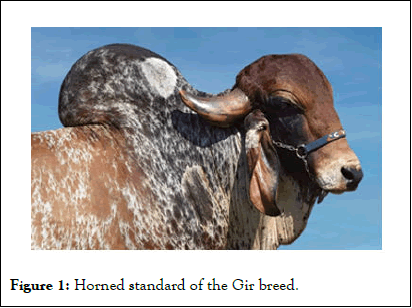
Figure 1: Horned standard of the Gir breed.
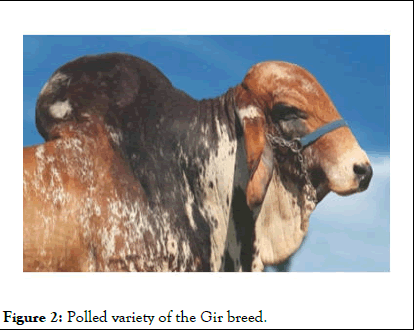
Figure 2: Polled variety of the Gir breed.
The Tabapua breed originated from a polled calf born in 1940, which stood out early on for its development and conformation and was named Tabapua T-0. This breed was developed through crossbreeding with the national polled cattle, initially using inbreeding to establish the characteristics observed in the T-0 bull at the Agua Milagrosa farm [6]. The Nellore was the most used breed in the crossbreeding, resulting in the predominance of the light gray color in the animals. According to Santiago, the polled characteristic (Figure 3) in the breed allows for a greater number of animals per feeding and drinking trough, as well as reducing the risk of accidents with humans and other animals. The first official registration occurred in 1971, but the Tabapua was only officially recognized as a breed in 1981. This breed resembles the American Zebu, the Brahman, with all animals being polled. Any presence of scurs or rudimentary horns is disqualifying.
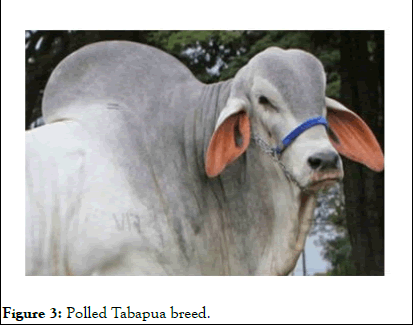
Figure 3: Polled Tabapua breed.
The polled variety (Figure 4) of the Nellore breed began with the birth of the calf Caburrey in 1957, born to horned parents (Figure 5) and later used in breeding with standard Nellore cows, resulting in all offspring being polled. The studbook for the polled Nellore breed was opened in 1969 and currently ranks second in number of registrations by the Brazilian Association of Zebu Breeders (ABCZ). Almeida, et al. found that the polled variety showed approximately 2% superiority in weight compared to standard horned Nellore males, regardless of the feeding regime adopted [7].
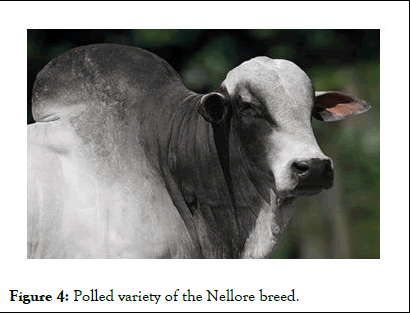
Figure 4: Polled variety of the Nellore breed.
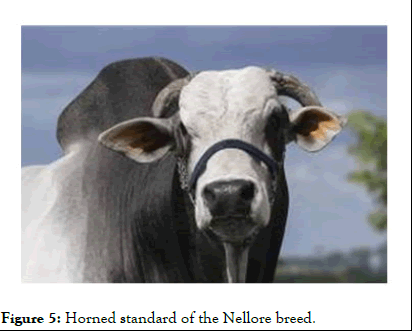
Figure 5: Horned standard of the Nellore breed.
The Brahman breed was developed through repeated crossbreeding of Bos indicus cattle breeds imported from India to the United States between 1854 and 1926, with Bos taurus cattle. This breed formation occurred in two stages: First in the USA and later in Australia [8]. This process resulted in the introgression of large segments of Bos taurus genome into the Brahman genome, particularly on chromosome X. The breed is present in more than 70 countries, and was introduced in Brazil in 1994, becoming registered by ABCZ, and since then obtaining excellent productive results.
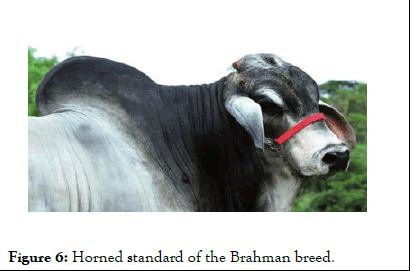
Figure 6: Horned standard of the Brahman breed.
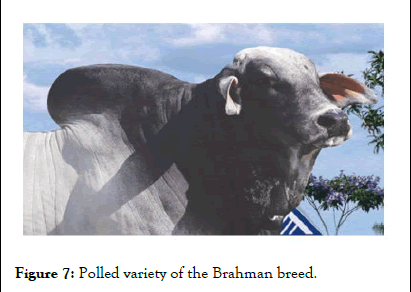
Figure 7: Polled variety of the Brahman breed.
Genomic prediction for horn development in Nellore cattle
In Brazil, Temp, et al. conducted a study of significant importance, evaluating the influence of horn development phenotype classification, the effect of animal sex and nonautosomal Single Nucleotide Polymorphism (SNP) markers on the ability to predict horn development in the Nellore breed using 12 models with the single-step genomic BLUP methodology, using 19,136 phenotypic records from the National Association of Breeders and Researchers (ANCP). The phenotype was assessed based on two phenotypic categories (presence and absence of horns), three categories (scurs and polled offspring from horned parents and polled and horned animals) and four categories (absence of horns, polled born to a horned parent, scurs and presence of horns). The heritability for horn development found by the authors ranged from 0.44 (model with three categories) to 0.84 (model with two categories), where the high heritability in the binary model may have been caused by the true phenotype of some animals being masked, likely resulting in greater genetic bias and phenotypic variance [9].
According to Stafuzza, et al., using three or four categories can provide a more robust estimate by correctly classifying animals. Temp, et al. found the highest accuracy estimates (0.80) using four phenotypic categories with the effect of sex in the Contemporary Group (CG) and non-autosomal SNPs or without the effect of sex in the CG but with the inclusion of non-autosomal SNPs. Paternal inheritance of horns can be dominant in males and recessive in females. The distribution for the presence and absence of horns or scurs also demonstrates that it is sex-dependent, as scurs are more noticeable in males (60%) than in females (10%).
Genomic predictions need to correlate with the phenotype for successful selection and the results obtained by Temp, et al. demonstrate that the expression of the polled phenotype is sexdependent, mainly when using non-autosomal SNPs. Additionally, the authors observed an increase in prediction accuracy using the four categories by 5.26% and a reduction in bias and dispersion by 37% and 4.55%, respectively, compared to models that considered only the effect of sex-linked SNPs without the effect of sex. Based on their results, genetic dehorning could be widely adopted as a low-cost and noninvasive method for producing hornless animals through genomic prediction and selective breeding strategies.
Despite the complexity of genotype-phenotype relationships in horn development, genomic prediction enabled the reliable identification of animals likely to produce polled offspring. Based on the groundbreaking research, the ANCP company, which provided the data for the study, has successfully generated the first Expected Progeny Difference (EPD) for the polled trait in the Nellore breed in Brazil, currently, the updated database contains approximately 26,000 phenotypes for this trait. This milestone is set to revolutionize Nellore breeding, offering substantial benefits to breeders by enhancing the efficiency and effectiveness of producing hornless cattle [10].
Utilizing genomic information to select the polled trait offers a viable alternative to breeding polled Nellore cattle. This approach mitigates herd management accidents, reduces economic losses from hide damage and muscle injuries and enhances animal welfare. The binary classification of horn development as horned or polled oversimplifies the genetic basis, which is more intricate than previously thought.
Applying selection for genetic dehorning is not just a theoretical concept but a practical, scalable and cost-effective solution. It provides a non-invasive method to increase the prevalence of polled animals through strategic genomic-based mating strategies. This scientifically sound approach holds the potential to bring significant positive changes to the cattle industry. The use of polled animals is gaining significant importance in the global economic landscape. Selecting for the polled gene reduces painful management practices and increases productivity, as animals experience less stress and are easier to handle. Furthermore, selecting for polled animals is associated with increased animal welfare and work safe for producers.
[Crossref] [Google Scholar] [PubMed]
[Crossref] [Google Scholar] [PubMed]
[Crossref] [Google Scholar] [PubMed]
[Crossref] [Google Scholar] [PubMed]
[Crossref] [Google Scholar] [PubMed]
[Crossref] [Google Scholar] [PubMed]
Citation: Temp LB, Brunes LC, Pereira LS, Amorim ST, Magnabosco CU, Lobo RB, et al (2025) Polled Genetic Inherence in Bos indicus Cattle. J Adv Dairy Res. 13:686.
Received: 06-Jul-2024, Manuscript No. ADR-24-32685; Editor assigned: 10-Jul-2024, Pre QC No. ADR-24-32685 (PQ); Reviewed: 24-Jul-2024, QC No. ADR-24-32685; Revised: 16-Jan-2025, Manuscript No. ADR-24-32685 (R); Published: 23-Jan-2025 , DOI: 10.35248/2329-888X.25.13.686
Copyright: © 2025 Temp LB, et al. This is an open-access article distributed under the terms of the Creative Commons Attribution License, which permits unrestricted use, distribution and reproduction in any medium, provided the original author and source are credited.