
Autism-Open Access
Open Access
ISSN: 2165-7890
ISSN: 2165-7890
Research Article - (2025)Volume 15, Issue 2
Immersive Virtual Reality (VR) technology shows promise as a therapeutic aid to support social communication in children with Autism Spectrum Disorder (ASD). The main objective was to assess the feasibility of using Floreo’s VR headset with the BSC module curriculum as a component of behavioral therapy for pre-school and school-age autistic children. Using a randomized control study design, a total of 14 participants (8 participants in the intervention group and 6 participants in the control group) received approximately 36 sessions of Floreo’s BSC treatment or VR control up to 3 times a week over a 12-15 week period in an in-clinic ABA therapy setting. Outcomes were measured using the validated and reliable Autism Impact Measure (AIM), which provides a composite score as well as subdomain scores for communication, social reciprocity, peer interaction, repetitive behavior and atypical behavior. As a primary outcome measure, we evaluated change from baseline in AIM composite and subdomain scores as a function of treatment. The Floreo VR headset was well-tolerated by study participants and was incorporated without difficulty into clinical treatment sessions. No serious adverse events occurred and no participants dropped out of the study due to undesirable side effects. Autistic children who received Floreo’s immersive VR BSC program showed an overall mean improvement in AIM composite score (-25) compared to those in the control group (-0.84) at a clinically meaningful level, although this did not achieve statistical significance. There was a clinically and statistically significant improvement in the AIM communication score for children in the Floreo BSC group (-5.12) compared to the control group (+3.33, p=0.02). The study findings suggest that Floreo’s Building Social Connections Module is safe and well-tolerated and has the potential to enhance social communication skills and reduce challenging behaviors in autistic children.
Autism spectrum disorder; Immersive virtual reality; Social communication; School-aged kids
ABA: Applied Behavior Analysis; AIM: Autism Impact Measure; ASD: Autism Spectrum Disorder; BSC: Building Social Connections; CARS-2: Childhood Autism Rating Scale, 2nd Edition; CI: Clinical Improvement; ITT: Intent-to-Treat; KBIT: Kaufman Brief Intelligence Test, 2nd Edition; MCT: Meaningful Change Threshold; MT: Music Therapy; OT: Occupational Therapy; PEP-3: Psychoeducational Profile, 3rd Edition; PT: Physical Therapy; Vineland-3: Vineland Scales of Adaptive Behavior, 3rd Edition; VR: Virtual Reality
Background on ASD
Autism Spectrum Disorder (ASD) is a pervasive, heterogeneous neurodevelopmental condition defined by impairments in communication and social skills, as well as repetitive and restricted behaviors and interests [1]. While the diagnosis is often made in childhood, the impact of autism is lifelong, including reduced social engagement and quality of life [2]. Caregivers of autistic individuals experience increased levels of strain, which has been exacerbated by the COVID-19 pandemic [3,4]. The prevalence of ASD is increasing; it is estimated that in 2020, 1 in 36 eight-year-olds in the United States met criteria for the diagnosis [5]. In this manuscript, autism,autism spectrum disorder,on the autism spectrum, autistic individual, individual with autism will be used interchangeably as they are the terms preferred by community groups [6,7]. While much attention has been paid to the pathogenesis and timely diagnosis of ASD, the rapidly increasing prevalence of the disorder has not been matched by an increase in the availability of therapies. Evidence-based early interventions for individuals with ASD, including Applied Behavior Analysis (ABA) and naturalistic developmental behavioral interventions [8-10], have been shown to produce significant financial and social cost savings for families and for society as a whole [11]. However, access to early behavioral intervention services varies markedly depending on geographic, socioeconomic and other demographic factors [12-15]. Even when it is available, children with autism can show significant variability in their response to early intervention [16,17].
As a result of these discrepancies in access and response to existing therapies, many children diagnosed with autism continue to experience serious social, cognitive, language and other difficulties as adults [18,19]. These difficulties negatively impact quality of life, social and community integration and emotional and affective functioning for both autistic individuals and their family members. Families of young adults who were initially diagnosed with ASD as preschoolers have noted the persistence of unmet social needs [20] and increased caregiver stress [21]. A survey of young adults with ASD found that almost one-third reported social isolation [22], and other studies have observed high rates of anxiety and depression [23,24]. Roux et al. [25] reported that 4 in 10 young adults with ASD were disconnected from school and work through their late teens and early twenties and less than 20% of young adults with ASD lived independently. Some studies have suggested that as autistic children age into adulthood, they may experience worsening deficits compared to peers in social communication [26] and adaptive functioning [27].
The increasing population prevalence of autism, coupled with limitations in the availability and efficacy of existing evidencebased therapeutic approaches, has created a pressing need for effective, low-cost interventions that address core symptoms of autism in children [28]. Developing effective interventions for social communication in particular is critical for public health, given the high financial and psychological costs of social disengagement for autistic individuals and their families. In addition, supporting developmental skill training is among the highest priorities for research identified by the autism community, including clinicians, individuals with autism and family members [7,29].
Background on VR
Immersive Virtual Reality (VR) has the potential to fill a critical treatment gap for individuals with ASD and related disorders, particularly beyond the early intervention period. Researchers have already begun to explore the potential of VR technology for targeting ASD-related deficits [30], and VR approaches have proven effective therapeutically for children with other psychiatric challenges, including specific phobias and panic disorders [31-33].
To date, most therapy-focused VR research in autism has not been immersive [34-36]. In contrast to a non-immersive experience, immersive VR gives the user the feeling of being inside a virtual world and offers an environment in which users can try out experiences that are hard to stage or replicate in real life. Modern immersive VR incorporates visual, spatial and auditory elements that are motivating for individuals with and without ASD [37], and include programmable contingent reward animations that can be "gamified".
Immersive VR technology is emerging as a highly effective therapeutic tool for school-aged children with ASD [38,39], offering them a safe environment in which to develop independence. Several studies have begun to explore the benefits of immersive VR therapy for ameliorating symptoms of ASD [40-42], but limitations in study design have made the results difficult to generalize to a community setting. The present study was developed to evaluate the effectiveness of an immersive VR intervention for social communication using a design that addresses some of the limitations of prior studies. In particular, we aimed to conduct the study in a naturalistic setting in which all participants were receiving standard-of-care therapy (ABA) for autism as a baseline. We also sought to employ more clinically relevant outcome measures that can be analyzed longitudinally.
Information about Floreo
Floreos VR platform integrates wireless tethered VR screens (iPhones) and tablets (iPads) that are seamlessly linked in realtime, allowing the therapist (or monitor) to set up lessons, change the interactive environment and provide live verbal and VR-based guidance, feedback and rewards to users. The platform uniquely allows parents, caregivers and educators to observe and engage with the child's learning experience, enhancing the overall therapeutic process.
Floreos immersive VR experience incorporates automated activities, actions and rewards, which support efficient and effective VR scene navigation, interaction and learning. Studies have shown improvements in emotional regulation in children with ASD with immersive virtual reality [43]. After each lesson, a results card is provided to the monitor based on the performance from the user. This approach enhances traditional therapist-mediated interventions by incorporating immersive VRenvironments to boost user engagement and learning.
In a previous pilot study focused on joint attention using Floreos VR system with school-age autistic students, the joint attention module proved to be feasible, safe and well-tolerated, with no participants reporting side effects or dropping out due to undesirable side effects [39]. Moreover, improvements were seen in joint attention-related skills, specifically an increase in total number of interactions, enhanced use of eye contact and more frequent initiation of interactions [39].
In this study, immersive VR was used to train social skills in preschool and school-aged children with ASD. The primary objective was to test the feasibility of this intervention in a naturalistic clinical setting. To this end, we monitored the safety and tolerability of Floreo BSC over the course of a 12-15 week treatment period. We also evaluated the efficacy of Floreos Building Social Connections (BSC) module (henceforth Floreo BSC) for ameliorating core symptoms of autism, namely, deficits in social communication and social interaction, assessed by parent report using the validated Autism Impact Measure (AIM). AIM scores were compared between children receiving Floreo BSC and those in a control group who were also exposed to VR but did not participate in the BSC curriculum.
Protection of human subjects
The study was reviewed and approved by WCG, the Central Internal Review Board.
Participants
Participants were recruited from among children receiving ABA therapy at five clinical sites operated by Cortica, a network of clinical centers that provide multidisciplinary services for children with neurodevelopmental disabilities such as ASD. In addition to ABA, Cortica centers provide developmental therapies, including speech-language therapy and occupational therapy, as well as neurologic and neurobehavioral medical care. Conducting the study at Cortica sites therefore ensured to the extent possible that all participants were already receiving comparable standard-of-care interventions for autism. Specific inclusion criteria and exclusion criteria are listed in Table 1.
| Inclusion criteria | Exclusion criteria |
| Children aged between 4-10 years old with a documented diagnosis of ASDa based on the clinical judgment of a qualified clinician according to DSM-5b criteria, supported by either the autism diagnostic observation schedule or the autism diagnostic interview-revised | History of photosensitive epilepsy or known photosensitive response on electroencephalogram |
| Participants received ABAc therapy at Cortica | Active diagnosis of migraine headache or migraine variant (abdominal migraine, cyclic vomiting syndrome) not controlled by medication or other therapy |
| Tolerability of the VRd therapy | Vertigo, motion sensitivity, ataxia or other serious balance disorder |
| - | Primary sensory impairment such as blindness or deafness |
| - | Motor disorder that would interfere with VRd engagement |
| Note: aASD: Autism Spectrum Disorder; bDSM-5: Diagnostic and Statistical Manual of Mental Disorders, Fifth Edition; cABA: Applied Behavior Analysis; dVR: Virtual Reality | |
Table 1: Inclusion and exclusion criteria for study participants.
Study design
This study was designed as a randomized controlled trial of an intervention to be administered in the context of in-clinic ABA therapy. Participants were randomized 1:1 to an active treatment or VR control group. Parents or caregivers of participants, assessors and study investigators were blinded to assignment to participant and assignment to treatment or control arms. Participants and study staff administering the treatment were not blinded, as there were non-trivial experiential differences between the treatment and control conditions.
Participants who met inclusion and exclusion criteria (Table 1) participated in 36 sessions of treatment or VR control 3 times a week over a 12-week period, with up to 3 additional weeks to make up for any missed sessions. The sessions lasted approximately 15 minutes and took place in a clinic setting with the assistance of a member of the study staff acting as a VR monitor. The VR monitor was a trained ABA specialist who also assisted with headset adjustment, program activation and monitoring.
Procedure
This study consisted of three phases: (i) Screening and randomization; (ii) Treatment; and (iii) Follow-up (Figure 1).
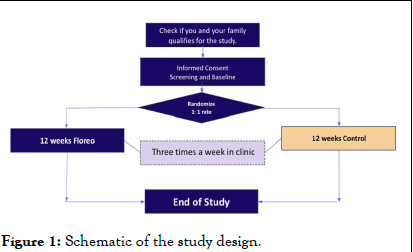
Figure 1: Schematic of the study design.
Screening visit
During the screening visit, conducted either in person at a clinic or virtually via zoom, informed consent was obtained from a parent or caregiver of each potential participant and informed assent was sought from potential participants before initiating any study-specific procedures. Demographic and clinical characteristics of participants were collected, including age, biological sex, race, co-occurring diagnoses, medications and concomitant therapies. The study coordinator asked the child to wear the VR headset to check for tolerability. If the child was able to wear the headset, a VR video lasting 4-5 minutes was played and the study coordinator completed a post-session questionnaire to determine if the child could tolerate the VR intervention. A participant was judged to tolerate the intervention if they were able to complete the video without becoming agitated or removing the headset.
Baseline visit
At the baseline visit, the Autism Impact Measure (AIM) clinical scale was administered by qualified trained raters. While this paper focuses on the AIM, other clinical scales were also administered, including the Vineland Scales of Adaptive Behavior, 3rd Edition (Vineland-3), Childhood Autism Rating Scale, 2nd Edition (CARS-2) and Kaufman Brief Intelligence Test, 2nd Edition (KBIT).
Randomization phase
Following the baseline visit, participants were randomized into either treatment or control arms. The randomization of subjects to study groups was performed using a randomization scheme reviewed and approved by an independent statistician.
As noted above, parents and caregivers were blinded as to whether participants received Floreo VR therapy versus the active VR exposure control. Participants and study staff administering the sessions were not explicitly told whether they were assigned to Floreo VR therapy or control exposure, but there were unavoidably clear experiential differences between the two conditions. Research staff assisting with session logistics were not blinded. However, the clinicians completing pre and post-intervention assessments, most of the sponsor team and the statistician who performed the analysis were all blinded to group assignment.
Treatment phase
During treatment visits, participants received either treatment with the Floreo Building Social Connections (BSC) module or VR control under the supervision of a member of the study staff who acted as a VR coach (Figures 2 and 3). All VR coaches were Registered Behavior Technicians (RBTs) who had experience working with autistic children in a clinical setting.
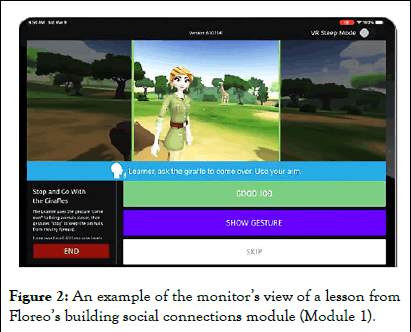
Figure 2: An example of the monitors view of a lesson from Floreos building social connections module (Module 1).
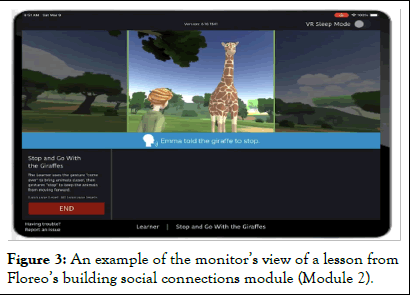
Figure 3: An example of the monitors view of a lesson from Floreos building social connections module (Module 2).
Table 2 depicts the lesson skills categories and lesson plans. Sessions (including VR lessons and questions) lasted approximately 15 minutes. Following each session, the VR coach completed a post-session questionnaire with the participant regarding the tolerability of the session, whether the session was completed and whether any technical issues occurred.
| Skills category | Number of lessons |
| Communicative gestures | 12 |
| Language comprehension | 6 |
| Motor imitation/Body awareness | 9 |
| Nonverbal-communicative eye gaze | 17 |
| Social communication/Interactions | 28 |
Table 2: Lesson skills category for feasibility curriculum.
The intervention included two lessons from the Floreo BSC program, each lasting 4-5 minutes. These VR lessons were delivered through the Floreo app, installed on an iPhone worn by the participant in a VR headset. The VR experience was managed and operated by the VR coach, who controlled the interaction via a linked iPad and was physically present with the participant during the session.
Control sessions consisted of two non-interactive VR videos, each lasting 4-5 minutes. VR episodes were presented via YouTube videos played on an iPhone worn by the participant in the VR headset. As with the Floreo BSC intervention, the control VR interaction was managed and operated by the VR coach, who was physically present with the participant in the clinic.
Participants randomized into the active VR exposure control engaged in sessions at the same frequency as the Floreo BSC arm. The study included a total of 36 planned treatment visits over 12 weeks, with visits scheduled to occur 3 times per week. An extension in duration of the study up to 15 weeks was allowed to make up for missed sessions due to illness, holidays and family obligations. Participation in the study ended after 15 weeks even if participants had not completed all 36 treatment phase visits.
Interim visits
Study staff conducted interim visits with the parent or caregiver of each participant after treatment sessions 12 (interim visit 1), 18 (interim visit 2) and 24 (interim visit 3). At interim visits 1 and 3, parents or caregivers were asked about any adverse events that may have occurred since the screening visit. At interim visit 2, the AIM was completed.
End-of-study visit
At the end of the study, the parent or caregiver was asked about any adverse events that may have occurred since the last interim visit, and the AIM was completed.
Assessments
Autism Impact Measure (AIM): The primary outcome measure in this study was the AIM, a reliable and validated 41-item parent questionnaire targeting sensitivity to changes in core ASD symptoms [44,45]. The AIM was specifically designed to assess treatment outcomes and symptom improvements in children with ASD over a short interval [46]. The questionnaire uses a 2-week recall period with items rated on two corresponding 5-point scales (frequency and impact). The items cover distinct, empirically-derived subdomains of ASD symptoms: Namely, repetitive behavior, atypical behavior, social reciprocity, communication and peer interaction [46]. A composite score is also calculated [46]. The subdomains and total scores have been shown to be sensitive both to overall changes in a child s condition and to changes resulting from different treatment conditions [46].
The clinical significance of changes in AIM scores can be interpreted at the within-person level using the Meaningful Change Threshold (MCT), which relates absolute changes in scores to real-world improvement or worsening in symptoms MCT values for improvement and deterioration shown in Table 3 were estimated using anchor-based, caregiver-reported perceptions of change in a large-scale study of caregivers of 2,761 autistic children, aged 3-17 years old, over a 12-month period [47].
| AIMb domain | Clinical improvement | Deterioration |
| (95% CIc) | (95% CIc) | |
| AIMb total | -4.49 | 9.86 |
| (-7.61, -1.37) | (5.12, 14.59) | |
| Social reciprocity | -0.68 | 1.09 |
| (-1.25, -0.10) | (0.21, 1.97) | |
| Communication | -0.89 | 1.53 |
| (-1.15, -0.28) | (0.59, 2.46) | |
| Peer interaction | -0.89 | 1.61 |
| (-1.44, -0.34) | (0.76, 2.45) | |
| Repetitive behavior | -0.1 | 1.47 |
| (-0.96, 0.77) | (0.15, 2.79) | |
| Atypical behavior | -1.09 | 1.76 |
| (-1.82, -0.37) | (0.66, 2.86) | |
| Note: aMCT: Meaningful Change Threshold; bAIM; Autism Impact Measure; cCI: Confidence Interval | ||
Table 3: MCTa thresholds for clinical improvement and deterioration for each AIMb domain.
The AIM was completed online by the parent or caregiver of each participant and took approximately 30 minutes to complete.
Measures of safety
Safety was measured by recording all adverse events reported by study staff or parents or caregivers of the participants. Adverse events could include changes in health or behavior related to the study as well as exacerbations of known medical or behavioral conditions, effects of concomitant medications or other changes reported by parents, caregivers or study staff. Serious adverse events were defined as those that were life-threatening, required hospitalization or resulted in death or disability.
Data analysis
The primary endpoint for this study was change in composite score on the AIM. Secondary endpoints included change in individual AIM subdomain scores. All outcomes were presented using descriptive statistics to evaluate the distribution of key variables and relevant covariates between treatment and control groups. To evaluate the success of stratified randomization procedures, Fisher's exact test for categorical variables was performed to evaluate differences in the variables included in stratification.
The primary analysis compared change from baseline to post-test in the AIM composite score across study groups (Floreo VR vs. VR control) in order to evaluate the effectiveness of Floreo VR building social connections intervention on autism symptoms. This was performed using a multilevel mixed model with
participants included as a random effect and AIM composite score included as the dependent variable. A cross-level group by time interaction was included as the primary coefficient of interest. Secondary analyses evaluated change over time for each of the AIM subdomain scores (social reciprocity, communication, peer interaction, repetitive behavior and atypical behavior). To evaluate the effectiveness of the intervention, post hoc pairwise comparisons compared group-level scores at end-of-study.
A total of 31 participants gave informed consent/assent and were screened for this study. One participant in the control group completed some study visits but withdrew from the study early as the caregiver decided that they no longer wished to participate; no adverse event was reported.
A total of 14 participants were included in the final analysis, comprising 6 participants in the control group and 8 participants in the Floreo BSC treatment group (Table 4). All enrolled participants were retained in the Intent-to-Treat (ITT) analysis if they completed an end-of-study visit, regardless of the number of interim visits completed.
The mean age of participants was 68 ± 5.7 months in the control group, and 72 ± 7.4 months in the treatment group. Consistent with broader ASD demographics, the majority of participants were males, with one female in the control group and one female in the treatment group. In terms of the severity of autism, 50% of the control group participants and 88% of the intervention group participants had mild to moderate autism based on Vineland-3 scores (Table 4) [48,49]. There were no significant group differences in race, ethnicity or autism severity between groups (Table 4).
|
|
Control (n=6) |
Treatment (n=8) |
p-value |
|
Mean (SDa)/(%) |
Mean (SDa)/(%) |
||
|
Age (months) |
68 (14) |
72 (21) |
0.9 |
|
Gender |
|||
|
Female |
1 (17%) |
1 (13%) |
>0.9 |
|
Male |
5 (83%) |
7 (88%) |
|
|
Race (%) |
|||
|
Asian |
2 (33%) |
4 (50%) |
>0.9 |
|
Other |
1 (17%) |
1 (13%) |
|
|
White |
3 (50%) |
3 (38%) |
|
|
Ethnicity |
|||
|
Hispanic or Latino |
3 (50%) |
3 (38%) |
>0.9 |
|
Not hispanic or |
3 (50%) |
5 (63%) |
|
|
Latino |
|
|
|
|
Vineland-3 group (%) |
|||
|
Mild-moderate |
3 (50%) |
7 (88%) |
0.2 |
|
Severe |
3 (50%) |
1 (13%) |
|
|
Note: aSD: Standard Deviation |
|||
Table 4: Descriptive study and characteristics of study participants.
We also examined the exposure of participants to ABA and developmental therapies over the course of the study. All participants in both groups received concomitant ABA and speech therapy. There were non-significant differences in the proportion of participants in each group receiving Occupational Therapy (OT), Speech Therapy (ST), Physical Therapy (PT) and Music Therapy (MT). The average frequency of weekly therapy sessions did not vary significantly except for music therapy, which skewed towards higher usage in the treatment group (Table 5).
| Control (n=6) | Treatment (n=8) | p-value | |
| ABAa | 6 (100%) | 8 (100%) | |
| OTb | 6 (100%) | 6 (75%) | 0.5 |
| STc | 6 (100%) | 8 (100%) | |
| PTd | 4 (67%) | 1 (13%) | 0.091 |
| MTe | 5 (83%) | 5 (63%) | 0.6 |
| ABAa frequency (sessions/week) | 4.67 (1.03) | 3.63 (0.69) | 0.073 |
| OTb frequency (sessions/week) | 2.00 (0.63) | 2.00 (0.63) | >0.9 |
| STc frequency (sessions/week) | 2.17 (0.41) | 1.94 (1.08) | 0.3 |
| PTd frequency (sessions/week) | 1.13 (0.25) | 1.00 (NA) | >0.9 |
| MTe frequency (sessions/week) | 1.10 (0.22) | 1.80 (0.45) | 0.038 |
| Note: aABA: Applied Behavior Analysis; bOT: Occupational Therapy; cST: Speech Therapy; dPT: Physical Therapy; eMT: Music Therapy | |||
Table 5: Current therapies and co-morbidities.
During the study, three adverse events were reported in the control group, all involving the same participant whose results were included in the analysis. The first was an ear infection reported at interim visit 1. The second and third events were reported at the end of study visit and included a laceration requiring stitches and an asthma exacerbation. None of these events were judged to be related to the intervention. This participant dropped out of the study.
Two adverse events were reported in the treatment group. The first event occurred for a participant during the interim visit and was described as “increased mood swings” possibly related to the study intervention. The second event occurred for a different participant whose caregiver reported “increased yelling behavior” at the end of study visit, possibly related to the study intervention. These participants remained in the study and were included in the final analysis.
No serious adverse events were reported in either the treatment or the control group.
Autism Impact Mmeasure (AIM)
There were no significant baseline differences in the AIM composite or subdomain scores at baseline between control and treatment groups (Table 6).
|
Control (n=6) |
Treatment (n=8) |
p-value |
|
|
Mean (SDa) (min-max) |
Mean (SDa) (min-max) |
||
|
AIMb |
|||
|
Composite |
218.67 (56.72) (133.00-282.00) |
192.88 (48.85) (133.00-253.00) |
0.3 |
|
Social |
26.00 (6.32) (20.00-34.00) |
23.00 (5.90) (15.00-32.00) |
0.3 |
|
Communication |
35.17 (11.09) (22.00-51.00) |
30.00 (7.13) |
0.4 |
|
Peer interaction |
25.00 (5.55) (15.00-32.00) |
18.13 (6.71) (10.00-27.00) |
0.08 |
|
Repetitive behavior |
38.17 (14.77) (19.00-56.00) |
38.00 (11.64) (19.00-52.00) |
>0.9 |
|
Atypical behavior |
32.00 (11.22) (16.00-46.00) |
27.13 (10.40) (15.00-41.00) |
0.3 |
|
Note: *Indicates a significant test statistic at p<0.05; aSD: Standard Deviation; bABA: Applied Behavior Analysis |
|||
Table 6: Baseline descriptive statistics and group differences.
The primary outcome measure for this study was change in AIM composite score between treatment and control groups. On average, the AIM composite score improved by -25 points in the treatment group (surpassing the MCT for overall improvement) and by 0.84 points in the control group (no change with respect to MCT). Despite this numerical difference, the primary outcome analysis showed that there was no significant interaction between time and treatment group on the AIM composite score (Table 7). This indicates that the difference between groups in change from baseline to end-of-study was not statistically significant.
|
|
Control (n=6) |
Control group change score |
Treatment (n=8) |
Treatment group change score |
Interaction F-statistics |
||
|
Pre-Mean (SDa) |
Post-Mean (SDa) |
Pre-Mean (SDa) |
Post-Mean (SDa) |
||||
|
AIMb Composite |
218.67 (56.72) |
217.83 (57.67) |
-0.84 |
192.88 (48.85) |
167.88 (35.99) |
-25 |
1.50 (p=0.25) |
|
Note: *Indicates a significant Group × Time (pre-post) interaction test statistic at p<0.05; †Indicates a significant estimated marginal means for post-hoc pairwise comparison test of within-group change at p<0.05; Bold indicates an average decrease in AIM score surpassing the clinically meaningful change threshold (-4.5); aSD: Standard Deviation; bAIM: Autism Impact Measure |
|||||||
Table 7: Primary outcome measure analysis.
The secondary outcome analysis did indicate a statistically significant time-by-treatment interaction for the AIM communication subdomain (Table 8). The control group showed an increase in score from baseline to the end-of-study of 3.33, indicating clinical deterioration. By contrast, the treatment group showed a decrease from baseline to the end-of-study of -5.12, consistent with clinical improvement based on MCT.
|
Control (n=6) |
Control group change score |
Treatment (n=8) |
Treatment group change score |
Interaction F-statistics |
|||
|
Pre-Mean (SDa) |
Post-Mean (SDa) |
Pre-Mean (SDa) |
Post-Mean (SDa) |
||||
|
AIMb |
|||||||
|
Social reciprocity |
26 |
26 |
0 |
23 |
21.25 |
-1.75 |
0.19 (p=0.67) |
|
-6.32 |
-6.87 |
-5.9 |
-5.95 |
||||
|
Communication |
35.17 |
38.5 |
3.33^ |
30 |
24.88 |
-5.12† |
6.75 (p=0.02)* |
|
-11.09 |
-8.73 |
-7.13 |
-6.24 |
||||
|
Peer interaction |
25 |
21.5 |
-3.5 |
18.13 |
14.13 |
-4 |
0.02 (p=0.90) |
|
-5.55 |
-8.43 |
-6.71 |
-3.87 |
||||
|
Repetitive behavior |
38.17 |
39 |
0.83^ |
38 |
35.25 |
-2.75 |
0.50 (p=0.51) |
|
-14.77 |
-15.74 |
-11.64 |
-12.56 |
||||
|
Atypical behavior |
32 |
29.67 |
-2.33 |
27.13 |
22.25 |
-4.88 |
0.37 (p=0.55) |
|
-11.22 |
-12.93 |
-10.4 |
-6.04 |
||||
|
Note: *Indicates a significant Group × Time (pre-post) interaction test statistic at p<0.05; †Indicates a significant estimated marginal means for post-hoc pairwise comparison test of within-group change at p<0.05; ^Indicates a clinical deterioration (domain-dependent per Silkey et al.) [47]; Bold indicates an average decrease in AIM score surpassing the clinically meaningful change threshold (domain-dependent per Silkey et al.); aSD: Standard Deviation; bABA: Applied Behavior Analysis |
|||||||
Table 8: Secondary outcome measure analysis.
Pairwise estimated marginal mean post hoc tests were calculated to evaluate the significance of within-group change. Improvement in AIM communication scores for the treatment group was found to be significant (p=0.02). In addition, the treatment group showed numerical trends toward improvement (based on MCT) in the AIM scores for social reciprocity (-1.75), peer interaction (-4), repetitive behavior (-2.75) and atypical behavior (-4.88), although these did not meet the threshold for statistical significance. The control group showed trends toward improvement in peer interaction (-3.5) and atypical behaviors (-2.33). There was no trend toward change with respect to MCT in repetitive behavior (0.83) or social reciprocity (0) for the control group.
Post hoc between-group analyses indicated that scores on the AIM communication subdomain at end-of-study were significantly different across intervention groups (Table 9), with lower scores in the Floreo BSC treatment group compared to the control group (p=0.014). It is important to note that there were no significant group differences in these scores at baseline.
|
Control (n=6) |
Treatment (n=8) |
p-value |
|
|
Mean (SDa) (min-max) |
Mean (SDa) (min-max) |
||
|
AIMb |
|||
|
Composite |
217.83 (57.67) (133.00-276.00) |
167.88 (35.99) (137.00-252.00) |
0.2 |
|
Social |
26.00 (6.87) (17.00-33.00) |
21.25 (5.95) (14.00-31.00) |
0.3 |
|
Communication* |
38.50 (8.73) (26.00-49.00) |
24.88 (6.24) (17.00-36.00) |
0.014* |
|
Peer interaction |
21.50 (8.43) (11.00-31.00) |
14.13 (3.87) (8.00-19.00) |
0.2 |
|
Repetitive behavior |
39.00 (15.74) (21.00-58.00) |
35.25 (12.56) (25.00-64.00) |
>0.9 |
|
Atypical behavior |
29.67 (12.93) (13.00-47.00) |
22.25 (6.04) (15.00-31.00) |
0.3 |
|
Note: *Indicates a significant test statistic at p<0.05; aSD: Standard Deviation; bAIM: Autism Impact Measure |
|||
Table 9: End-of-study descriptive statistics and group differences.
Principal findings
The primary goal of the present study was to examine the feasibility of using Floreo’s immersive VR program, Floreo BSC, with autistic preschool and school-aged children in a naturalistic treatment setting. Very few mild adverse events were reported, most without any clear relation to VR and there were no serious adverse events. These findings add to the growing body of evidence supporting the safety and feasibility of immersive VR technology as a component of therapy for children with ASD [39,40].
We also examined the efficacy of Floreo BSC for ameliorating core symptoms of autism in preschool and school-aged children, using the AIM as an outcome measure. Overall, the results showed that autistic children treated with Floreo’s immersive VR BSC program improved clinically in the AIM composite score, with a decrease of 25 points, compared to control participants who received the non-instructional VR exposure and decreased only 0.84 points on average. While numerically striking, this difference did not achieve statistical significance, likely due to the small number of participants in this feasibility study.
Despite the relatively small number of participants, we were able to demonstrate both clinically meaningful and statistically significant changes related to treatment in the AIM communication subdomain, one of the skill areas most directly targeted by the BSC intervention. Children who used Floreo BSC improved by an amount surpassing previously established meaningful change thresholds, while those exposed to a VR control appeared to show deterioration in communication scores [47].
Children in the Floreo BSC group also showed clinical improvement in the other four subdomains of the AIM that surpassed MCT thresholds. On the other hand, children in the control group showed smaller improvements in peer interaction and repetitive behavior and no clinically meaningful change in social reciprocity or atypical behavior. These trends suggest that Floreo BSC may be beneficial for improving core autism symptoms beyond communication.
The AIM is one of the only clinical assessment tools designed to assess both the frequency and functional impact of symptoms in autism [46]. To the best of our knowledge, this is the first study to use the AIM to assess treatment outcomes after a VR intervention. Compared to prior studies using the AIM to measure changes in symptom severity, this study suggests larger clinically meaningful changes within a shorter period of treatment. For example, Silkey et al. [47] estimated that a change in communication score of -0.89 over 12 months represented meaningful clinical improvement. Participants in the Floreo BSC group in this study showed a statistically significant change of -5.12 over a period of only 3 months of treatment. Similar trends toward improvement were observed for the AIM composite and other subdomain scores in the Floreo BSC treatment group.
It is tempting to interpret these results as suggesting that VR intervention may contribute to more rapid improvement in core autism symptoms than what is typically observed in the community. Of course, our ability to generalize these findings is limited by variability inherent in the small sample size. Moreover, while the AIM was designed to be sensitive to treatment effects, it is unclear whether the MCT values calculated by Silkey et al. [47] are reliable over shorter treatment periods.
Floreo’s VR intervention is uniquely designed for paired interactions, enabling clinicians, teachers or family members to set up lessons, monitor progress, modify the interactive environment and provide real-time guidance, rewards and feedback. This flexibility allows for sessions to be conducted either in a clinical setting or remotely at home, making it both cost-efficient and accessible to a large number of families of children with autism. Here, Floreo BSC was employed in a clinical setting without obvious difficulties in implementation, adherence, or tolerability.
Comparison with prior work
Overall, our findings support prior studies showing that immersive VR interventions improved social skills in children with autism [7,40,50-52]. Zhao et al. [50] reported that children with ASD who utilized a rehabilitation therapy-based VR intervention over 3 months had improved facial recognition, happy tone of voice and body language in response to virtual characters compared to those in the control group, as measured using the Psychoeducational Profile, 3rd Edition (PEP-3). Another study showed improved social skills scores on the PEP-3 in autistic children after one session of using an immersive, foursided cave automatic virtual environment program [51]. Ip et al. [52] reported that children with autism showed significant improvement in their social interactions, adaptation skills and emotion regulation, as measured by various assessment scales, after using the cave automatic virtual environment intervention for 14 weeks. Additionally, Frolli et al. [7] demonstrated autistic children who used an immersive emotional literacy VR intervention had an enhanced ability to recognize different types of emotions.
Limitations
As we have already noted, conclusions about the efficacy of the Floreo BSC intervention are limited by the small number of subjects included in this study, which was primarily designed to assess feasibility. We have also discussed potential issues with using the AIM as a short-term measurement tool; it may be more appropriate in future studies to assess responder rates rather than aggregate scores. Future studies may also be strengthened by examining additional secondary outcome measures, including measures that are already widely employed clinically, such as the Vineland adaptive behavior scales.
More broadly, there is the potential for participant self-selection bias in studies of VR-based interventions. In other words, participants who had a pre-existing positive view of VR and similar technologies may have been more inclined to enroll in the study. Clinicians and educators should be mindful of individual preferences and differences when participating in VR [53].
Overall, this study suggests that Floreo’s immersive VR building social connections module is safe and well-tolerated. The BSC curriculum may lead to both clinical and statistically significant improvements in social communication skills in school-aged children with autism, compared to children who received a VR exposure control, as evidenced by improvements in AIM communication scores. This study also observed overall clinical improvement for the treatment group in the AIM composite score as well as in the social reciprocity, peer interaction and repetitive and atypical behavior subdomains, suggesting that Floreo’s immersive VR intervention may be broadly beneficial in ameliorating symptoms associated with autism.
The authors wish to thank the following:
• All participants and families who participated in this study.
• Study teams who ran the study.
Kevin Shapiro: Conceptualization; methodology; writing-original draft, review and editing; supervision.
Vijay Ravindran: Conceptualization; methodology; validation; software; writing-original draft, review and editing; funding acquisition; supervision.
Gregory Downing: Conceptualization; methodology; resources; writing-original draft, review and editing; funding acquisition; supervision.
Shirley Mak-Parisi: Data curation; formal analysis; project administration; visualization; writing-original draft, review and editing, supervision.
Georgia Barbayannis: Visualization; validation; writing-review and editing.
Sinan Turnacioglu: Conceptualization; methodology; writingoriginal draft, review and editing; supervision.
Rita Solorzano: Conceptualization; methodology; review and editing
• Vijay Ravindran is the Chief Executive Officer and cofounder of Floreo, Inc.
• Shirley Mak-Parisi is an employee of Floreo, Inc.
• Greg Downing and Sinan Turnacioglu are consultants of Floreo, Inc.
• Rita Solorzano is an employee of Floreo, Inc.
This is research sponsored by Floreo, Inc.
[Crossref] [Google Scholar] [PubMed]
[Crossref] [Google Scholar] [PubMed]
[Crossref] [Google Scholar] [PubMed]
[Crossref] [Google Scholar] [PubMed]
[Crossref] [Google Scholar] [PubMed]
[Crossref] [Google Scholar] [PubMed]
[Crossref] [Google Scholar] [PubMed]
[Crossref] [Google Scholar] [PubMed]
[Crossref] [Google Scholar] [PubMed]
[Crossref] [Google Scholar] [PubMed]
[Crossref] [Google Scholar] [PubMed]
[Crossref] [Google Scholar] [PubMed]
[Crossref] [Google Scholar] [PubMed]
[Crossref] [Google Scholar] [PubMed]
[Crossref] [Google Scholar] [PubMed]
[Crossref] [Google Scholar] [PubMed]
[Crossref] [Google Scholar] [PubMed]
[Crossref] [Google Scholar] [PubMed]
[Crossref] [Google Scholar] [PubMed]
[Crossref] [Google Scholar] [PubMed]
[Crossref] [Google Scholar] [PubMed]
[Crossref] [Google Scholar] [PubMed]
[Crossref] [Google Scholar] [PubMed]
[Crossref] [Google Scholar] [PubMed]
[Crossref] [Google Scholar] [PubMed]
[Crossref] [Google Scholar] [PubMed]
[Crossref] [Google Scholar] [PubMed]
[Crossref] [Google Scholar] [PubMed]
[Crossref] [Google Scholar] [PubMed]
[Crossref] [Google Scholar] [PubMed]
[Crossref] [Google Scholar] [PubMed]
[Crossref] [Google Scholar] [PubMed]
[Crossref] [Google Scholar] [PubMed]
[Crossref] [Google Scholar] [PubMed]
[Crossref] [Google Scholar] [PubMed]
[Crossref] [Google Scholar] [PubMed]
[Crossref] [Google Scholar] [PubMed]
[Crossref] [Google Scholar] [PubMed]
[Crossref] [Google Scholar] [PubMed]
[Crossref] [Google Scholar] [PubMed]
[Crossref] [Google Scholar] [PubMed]
[Crossref] [Google Scholar] [PubMed]
[Crossref] [Google Scholar] [PubMed]
[Crossref] [Google Scholar] [PubMed]
Citation: Shapiro K, Ravindran V, Downing G, Mak-Parisi S, Solorzano R, Barbayannis G, et al. (2025) Children with Autism Using the Floreo Virtual Reality Building Social Connections Module: A Feasibility Study. Autism-Open Access. 15:436.
Received: 21-Oct-2025, Manuscript No. AUO-25-38854; Editor assigned: 24-Oct-2025, Pre QC No. AUO-25-38854 (PQ); Reviewed: 07-Nov-2025, QC No. AUO-25-38854; Revised: 14-Nov-2025, Manuscript No. AUO-25-38854 (R); Published: 21-Nov-2025 , DOI: 10.35248/2165-7890.25.15.436
Copyright: © 2025 Shapiro K, et al. This is an open-access article distributed under the terms of the Creative Commons Attribution License, which permits unrestricted use, distribution, and reproduction in any medium, provided the original author and source are credited.