
Journal of Leukemia
Open Access
ISSN: 2329-6917
ISSN: 2329-6917
Research Article - (2025)Volume 13, Issue 5
Introduction: T-cell Acute Lymphoblastic Leukemia (T-ALL) is a rare and aggressive malignancy, accounting for 12-15% of pediatric ALL cases. Despite advancements in treatment, relapse rates remain high (~20%). Prognosis depends on factors such as genetic mutations, Minimal Residual Disease (MRD) status, and response to therapy.
Objectives primary objective: To evaluate the clinical outcome of pediatric patients (0-15 years) diagnosed with T-cell Acute Lymphoblastic Leukemia (T-ALL) treated at King Fahad Specialist Hospital -Dammam between January 2012 and December 2022.
Secondary objectives: To identify prognostic factors that may influence treatment outcomes in pediatric T-ALL. To assess the impact of different treatment strategies and survival and relapse rates. To explore associations between clinical characteristics and therapy response.
Methodology: Descriptive statistics included means, standard deviations, counts, and percentages. T-test and Chi Square test or their non-parametric counterparts were used to assess the associations and differences in demographic and clinical features. Kaplan-Meier curves assessed overall survival, while Cox regression analyzed predictors. A p-value <0.05 was considered significant.
Results: The study included 43 T-ALL patients (81.4% male), with a mean age of 8.32 years. All patients treated with chemotherapy. Radiotherapy was given to 42.9%, while 7% underwent bone marrow transplantation. The 5- year EFS of 75% and OS of 79%. The relapse rate in our study was 16%.
Conclusion: T-cell Acute Lymphoblastic Leukemia (T-ALL) is a highly aggressive blood cancer marked by the uncontrolled proliferation of immature T-cells. While pediatric survival rates have improved to around 80%, relapse or treatment resistance still leads to death in approximately 20% of cases, highlighting the urgent need for new therapies. Advances in molecular and genetic research have identified key genetic drivers and potential therapeutic targets in T-ALL. Current efforts focus on refining risk stratification, intensifying frontline treatment, and integrating novel agents. As conventional chemotherapy reaches its limits, future strategies rely on a deeper understanding of biology to develop more targeted, effective, and less toxic therapies.
T-cell Acute Lymphoblastic Leukemia (T-ALL); Pediatric hematologic malignancies; Minimal residual disease; Central nervous system; Survival analysis
T-cell Acute Lymphoblastic Leukemia (T-ALL) is a rare and aggressive hematologic malignancy that predominantly affects pediatric patients, and it carries a mortality rate of up to 10%- 20% [1,2].
It accounts for approximately 12-15% of acute lymphoblastic leukemia (ALL) cases in pediatric patients and has distinct biological and clinical features compared to B-cell ALL [3]. The disease is characterized by uncontrolled proliferation of immature T-cells, often presenting with mediastinal masses, high white blood cell counts, and central nervous system involvement. Despite advancements in treatment protocols, T-ALL remains a challenge due to its high relapse rates of upwards to 20% and variable response to therapy [3].
Survival outcomes for pediatric T-cell leukemia have improved over the past decades with the introduction of intensive chemotherapy regimens and risk-adapted treatment strategies [4- 6]. However, prognosis varies depending on factors such as age at diagnosis, initial white blood cell count, genetic mutations, Minimal Residual Disease (MRD) status, and response to induction therapy. Nonetheless, other studies mention MRD as the sole prognostic indicator in T-ALL [7-9].
While younger patients generally exhibit better treatment responses, adolescents often experience worse outcomes due to differences in disease biology and pharmacokinetics [10,11].
King Fahad Specialist Hospital-Dammam (KFSH-D) is a leading tertiary care center in Saudi Arabia that provides specialized hematology-oncology care. This study aims to evaluate the clinical outcomes of pediatric patients (ages 0-15 years) diagnosed with T-ALL at KFSH-D. By analyzing survival rates, and prognostic factors, this research seeks to identify determinants of long-term outcomes and contribute to optimizing therapeutic approaches for this patient population.
Understanding the clinical course will help refine risk stratification and improve individualized treatment strategies. This study will aim to provide valuable insights into pediatric T-ALL in the region, guiding future clinical decision-making and research efforts aimed at enhancing patient survival and quality of life.
SPSS 27 was used for data entry and analysis. Frequencies and percentages were computed for the categorical variables. Mean, standard deviation, median, and range were computed for the quantitative variables. Fisher-Freeman-Halton Exact Test was used to determine whether there is a significant relationship between two categorical variables. Post Hoc test (Bonferroni) was used for multiple comparisons. Kaplan Meier was used to analyze time to relapse and time until death and for comparing survival probabilities between different groups. P-value of less than 0.05 was statistically considered significant.
Ethical approval
This study was reviewed and approved by the Institutional Review Board (IRB) of King Fahad specialist Hospital-Dammam (KFSH-D) under IRB Study Number HAEM0335. The IRB operates under the national registration number H-05-D002 and follows the guidelines of the National Committee of Bioethics (NCBE), Good Clinical Practice (GCP), and applicable Saudi regulations. Approval for this study was granted on August 21, 2024, with an expiry date of August 20, 2025. All research procedures adhere to ethical standards for human subject research, ensuring patient privacy, data confidentiality, and compliance with institutional and national regulations. Informed consent was obtained from all participants (or their legal guardians) as per the requirements set forth by the IRB.
Demographic and clinical features
43 patients diagnosed with T-ALL between January 2012 to December 2022 were eligible to be included in our study. The mean age of the patients was 8.32 ± 4.11 years, with a range from 9 months to 15 years. The cohort comprised 35 (81.4%) males and 8 (18.6%) females (Table 1).
| Characteristics | Statistics |
|---|---|
| Age in years | |
| Mean ± SD | 8.3 ± 4.1 |
| Median (Range) | 9 (0.75-15) |
| Gender [n (%)] | |
| Male | 35 (81.4) |
| Female | 8 (18.6) |
Table 1: Demographic characteristics of the patients (Total=43).
Hallmark symptoms
Among the 43 patients, bony aches were reported in 15 (34.9%) patients, Fever was reported in 31 (72.1%). Mucosal and skin Bleeding were observed in only 6 (14.0%) patients, Weight loss was noted in 10 (23.3%) patients. Pallor was present in 25 (58.1%) patients. Hepatomegaly was detected in 30 (69.8%) patients. Splenomegaly was observed in 32 (74.4%) patients. Lastly, lymphadenopathy was present in 32 (74.4%) (Table 2).
| Clinical presentation (Total = 43) | Yes | No |
|---|---|---|
| Signs and symptoms | ||
| n (%) | n (%) | |
| Fever | 31 (72.1) | 12 (27.9) |
| Bony aches | 15 (34.9) | 28 (65.1) |
| Bleeding | 6 (14) | 37 (86) |
| Weight loss | 10 (23.3) | 33 (76.7) |
| Pallor | 25 (58.1) | 18 (41.9) |
| Hepatomegaly | 30 (69.8) | 13 (30.2) |
| Splenomegaly | 32 (74.4) | 11 (25.6) |
| Lymphadenopathy | 35 (81.4) | 8 (18.6) |
| Tumor lysis syndrome | 19 (44.2) | 24 (55.8) |
| Cerebrospinal fluid1 | 9 (20.9) | 34 (79.1) |
| Mediastinal mass on chest x-ray | 25 (58.1) | 18 (41.9) |
| Testicular involment 34(97.1) | 1(2.9) | |
| Note: 1. Yes (4 patients were CNS2 and 5 patients were CNS3) and No (34 patients were CNS1); 2. It is applicable only for male. | ||
Table 2: Signs and symptoms of the patients (Total = 43).
Lab values
The mean initial White Blood Cell (WBC) count was 129202 ± 146577 with a median value of 65450 (4400-553000). The mean Hemoglobin (HB) level was 9 ± 2.3 with the median value of 8.9 (5-13.3). The mean Platelet (PLT) count was 92190 ± 117024 with median value of 55000 (11000-659000). The mean Absolute Neutrophil Count (ANC) was 7852 ± 38290. The mean blast percentage was 68 ± 34 with the median value of 83 (0-98) .The mean lymphocyte percentage was 16 ± 23 with the median value of 6 (0-99). The mean International Normalized Ratio 1.2 ± 0.2 with the median value of 1.2 (0.8-1.8) The mean Partial Thromboplastin Time (PTT) was 27.3 ± 6.7 with the median value of 25.8 (19-49) seconds (Table 3).
Systemic involvement
CNS involvement was observed in 9 (20.9%) patients. Specifically, CNS2 was noted in 4 (9.3%) patients, while CNS3 was observed in 5 (11.6%) patients, we found that from our total relapse group about 42% were CNS positive. Mediastinal presence was noted in 25 (58.1%) patients on chest X-ray (Table 4). Despite the major limitation in performing detailed cytogenetics and molecular studies in our centre but the preliminary results showed TCR rearrangement in about 38.5% and normal cytogentics profile in another 35.9% (Table 5).
| Lab investigations | Mean ± SD | Median (Range) |
|---|---|---|
| White blood cells | 129202 ± 146577 | 65450 (4400-553000) |
| Hemoglobin | 9 ± 2.3 | 8.9 (5-13.3) |
| Platelets | 92190 ± 117024 | 55000 (11000-659000) |
| Absolute neutrophils count | 7852 ± 38290 | 0 (0-240000) |
| Blasts % | 68 ± 34 | 83 (0-98) |
| Lymphocytes % | 16 ± 23 | 6 (0-99) |
| Partial thromboplastin time | 27.3 ± 6.7 | 25.8 (19-49) |
| International normalized ratio | 1.2 ± 0.2 | 1.2 (0.8-1.8) |
| Creatinine | 61 ± 38 | 50 (13-166) |
| Total Bilirubin | 14.31 ± 16.99 | 9.9 (2.6-90) |
| Alanine amino transferase | 40 ± 39 | 26 (6-187) |
| Aspartate amino transferase | 69 ± 58 | 55 (11-327) |
Table 3: Lab investigations among the patients (Total = 43).
Infections
The cohort experienced an average of 5.47 ± 3.12 febrile neutropenia episodes per patient during his entire course of chemotherapy .furthermore Total of 33 infectious episode were identified Among 24 (55.8%) cases. On the group who are diagnosed with bacteremia, Gram-positive bacteria were the most common, identified in 17 episodes (51.5%) with Staphylococcus aureus being the most frequently isolated, appearing in 10 episodes (58.8%), including 1 case (4.17%) of Methicillin- Resistant Staphylococcus aureus (MRSA). Streptococcus pneumoniae was detected in 3 cases (17.6%). Other Gram-positive organisms included Kocuria species, Rothia mucilaginous and Bacillus, each occurring in 1 case (4.17%). Additionally, Gram-positive rods were identified in 1 case (4.17%). Gram negative bacteria was isolated in 13 episodes (39.8), Escherichia coli was the most frequently detected Gram-negative pathogen, present in 4 cases (30.8), followed by Campylobacter in 2 (15.4%). We had 3 fungal episodes Candida sp was isolated in 2 of them (66.7%) followed by Aspirogillus in one episode (Table 6 ).
| Cerebrospinal fluid | Relapsed n (%) |
Not relapsed n (%) |
P-value |
|---|---|---|---|
| CNS1 | 4 (11.8)a | 30 (88.2)a | |
| CNS2 | 2 (50)a | 2 (50)a | 0.089 |
| CNS3 | 1 (20)a | 4 (80)a |
P-values were computed by using Fisher-Freeman-Halton Exact Test; Each subscript letter denotes a subset of Cerebrospinal Fluid categories whose row proportions do not differ significantly from each other at the 0.05 level.
Table 4: Relationship between cerebrospinal fluid and relapse.
Risk stratification c treatment
For those patients who are placed on AALL1231 protocol total of 16 (37.2%) patients one patient died early during induction before risk statification,the risk stratification on the rest showed 8 (53.3%) were standard, and 5 (33.3%) patients were intermediate risk and 2 (13.3%) patients were very high risk .(Table 7 and 8). Among patients who were started on CCG 1961 protocol total of 22 (51.1 %) cases were identified all were having NCI HR criteria (Table 7 and 8). 4 cases (9.3%) were started on St Jude total XV protocol-HR arm, (Table 7 and 8). One case (2.33%) was diagnosed with infantile leukemia T-cell type and started on COG0631 Protocol. (Table 7 and 8). Radiotherapy was administered to 18 (42.9%) patients, Bone Marrow Transplantation (BMT) was conducted in 3(7.5%) patients, (Table 5). PEG-asparaginase allergy was observed in 9(22.0%) patients, Tumor Lysis Syndrome (TLS) was present in 19(46.3%) patients.
| Cytogenetics | n (%) |
|---|---|
| TCR abnormality (Alpha, beta delta gamma) | 15 (38.5) |
| CDKN2A abnormality | 2 (5.1) |
| Chromosomal deletions involved chromosomes 5 or 6 | 3 (7.7) |
| Trisomy/tetrasomy chromosomal abnormalities | 2 (5.1) |
| SIL/TAL 1 abnormality* | 2 (5.1) |
| Positive IGH | 1 (2.6) |
| MLL rearrangement | 1 (2.6) |
| No available data | 14 (35.9) |
Note: One patient had both SIL/TAL 1 & trisomy BCR ABL.
Table 5: Cytogenetics among the patients (Total = 39).
| Complications | n (%) |
|---|---|
| Bacteremia Yes No |
24 (55.8) 19 (44.2) |
| Number of FN episodes Mean ± SD Median (Range) |
5.5 ± 3.1 5 (1-13) |
| Infectious episodes1 (Total = 33) | |
| Isolated Gram-positive bacteria episodes (Subtotal = 17) | 17 (51.5) |
| Staphylococcus | 10 (58.8, 30.3) |
| Streptococcus pneumonia, | 3 (17.6, 9.1) |
| Kocuria species | 1 (5.9, 3) |
| Rothia mucilaginosa | 1 (5.9, 3) |
| Bacillus | 1 (5.9, 3) |
| Gram positive rods | 1 (5.9, 3) |
| Isolated Gram-negative bacteria episodes (Subtotal = 13) | 13 (39.4) |
| E coli | 4 (30.8, 12.1) |
| Campylobacter | 2 (15.4, 6.1) |
| Pseudomonas aeruginosa | 1 (7.7, 3) |
| Acinetobacter baumann | 1 (7.7, 3) |
| Klebsiella pneumonia | 1 (7.7, 3) |
| Stenotrophomonas maltophillia | 1 (7.7, 3) |
| Enterobacter cloacae | 1 (7.7, 3) |
| Moraxella | 1 (7.7, 3) |
| Achromobactin | 1 (7.7, 3) |
| Isolated fungal organisms episodes (Subtotal = 3) | 3 (9.1) |
| Candida sp | 2 (66.7, 6.1) |
| Aspergillus | 1 (33.3, 3) |
| Other complications thrombosis Yes No |
7 (16.3) 36 (83.7) |
| Pancreatitis2 Yes No |
4 (9.5) 38 (90.5) |
| Peg asparaginase allergy3 Yes No |
9 (22) 32 (78) |
Note: 1. Regarding subcategories of Infectious Episodes two percentages were computed: the first was out of subtotal and the second was out of total; 2. Number of missing = 1; 3. Number of missing = 2.
Table 6: Patients’ complications during treatment (Total = 43).
| Variables | n (%) |
|---|---|
| Risk stratification1 | |
| Standard risk | 9 (21.9) |
| Intermediate risk | 5 (12.2) |
| High/Very high risk | 27 (62.7) |
| MRD post induction1 | |
| Positive | 9 (24.3) |
| Negative | 28 (75.7) |
| MRD post consolidation | |
| Positive | 6 (46.2) |
| Negative | 7 (53.8) |
| Chemotherapy | |
| COG 1231 | 16 (37.2) |
| CCG 1961 | 22 (51.2) |
| COG 0631 | 1 (2.3) |
| ST jude | 4 (9.3) |
| Radiation therapy | |
| Yes | 18 (41.9) |
| No | 25 (58.1) |
| BMT | |
| Yes | 3 (7) |
| No | 40 (93) |
Note: Two patients died during induction phase and four patients were non-conclusive.
Table 7: Therapy variables of the patients (Total = 43).
Survival, remission and relapse outcomes
We divided the 43 patients included in this study into 3 different groups, the first group of patients is involved 34 patients(79%) who went into complete remission 1 (CR1) status ,however 2 patients from this group died later because of severe infections and 32 patients remained alive and in CR1 status till time of publication. The second group of patients involved only 2 cases who died very early in the induction phase before assigning them to risk group due to severe complications. The third group of patients in this study are those who got Disease relapse and it included 7 patients (16%) all of them had early medullary relapse course, a except for one patient who had early combined relapse both medullary and CNS relapse 4 of them passed away immediately at time of re-induction because of severe infections even before considering stem cell transplantation, the rest 3 patients who had BMT 2 out of them survived and remained in CR2 remission by time of publication ,but one died post BMT due to severe infection. Therefore, the total mortality was reported in 9 patients (20.9%) that the overall mean of survival duration is 49.2 months after receiving chemotherapy with 95% CI of (42.8, 55.5) months (Table 9). There is difference in the survival data among different regimens as that the mean of survival duration is 50.6 months after receiving COG 1231 chemotherapy with 95% CI of (40.9, 60.3) months, and the mean of survival duration is 45.6 months after receiving CCG 1961 chemotherapy with 95% CI of (35.8, 55.5) months (Table 10). however there is no significant difference in mean of survival duration between patients who received COG 1231 chemotherapy and patients who received CCG 1961 chemotherapy according to Log Rank test, Breslow test, and Tarone-Ware test because all p-values are greater than 0.05 (Table 11).
| Variables | Chemotherapy | P-value | ||||
|---|---|---|---|---|---|---|
| COG 1231 n (%) |
CCG 1961 n (%) |
COG 0631 n (%) |
ST jude total XV n (%) |
|||
| Risk stratification | <0.001** | |||||
| Standard risk | 8 (53.3)a | 0 (0)b | 1 (100)a | 0 (0)a, b | ||
| Intermediate risk | 5 (33.3)a | 0 (0)b | 0 (0)a, b | 0 (0)a, b | ||
| High/Very high risk | 2 (13.3)a | 22 (100)b | 0 (0)a, c | 4 (100)b, c | ||
| Relapse | 0.472 | |||||
| Relapsed | 1 (6.3)a | 5 (22.7)a | 0 (0)a | 1 (25)a | ||
| Not relapsed | 15 (93.8)a | 17 (77.3)a | 1 (100)a | 3 (75)a | ||
| Mortality | 0.716 | |||||
| Alive | 13 (81.3)a | 16 (72.7)a | 1 (100)a | 4 (100)a | ||
| Died | 3 (18.8)a | 6 (27.3)a | 0 (0)a | 0 (0)a | ||
Note: P-values were computed by using Fisher-Freeman-Halton Exact Test; Each subscript letter denotes a subset of Chemotherapy categories whose column proportions do not differ significantly from each other at the 0.05 level; **Significant at the 0.01 level.
Table 8: Relationship between chemotherapy and each of risk stratification, relapse and mortality.
| Mean | Standard error | 95% Confidence interval | |
|---|---|---|---|
| Lower bound | Upper bound | ||
| 49.2 | 3.2 | 42.8 | 55.5 |
Table 9: Overall mean for survival duration in months.
| Type of chemotherapy | Mean | Standard error | G5% Confidence interval | |
|---|---|---|---|---|
| Lower bound | Upper bound | |||
| COG 1231 | 50.6 | 4.9 | 40.9 | 60.3 |
| CCG 1961 | 45.6 | 5 | 35.8 | 55.5 |
Table 10: Means for survival duration (in months) according to type of chemotherapy.
| Test name | Chi-square | Degrees of freedom | P-value |
|---|---|---|---|
| Log rank (Mantel-cox) | 0.44 | 1 | 0.507 |
| Breslow (Generalized wilcoxon) | 0.504 | 1 | 0.478 |
| Tarone-ware | 0.474 | 1 | 0.491 |
Table 11: Test of equality of survival distributions according to type of chemotherapy.
The conclusion of survival data of this study showed event free survival of 75 % (Figure 1) and overall survival of 79% (Figure 2) and relapse rate of 16% and total mortality rate of 21%.
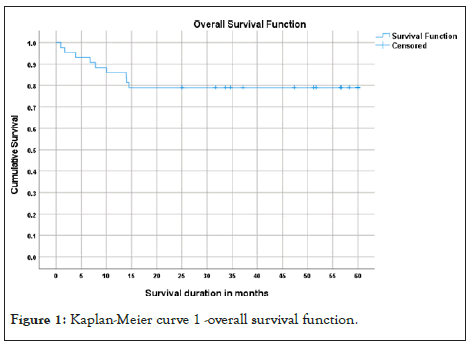
Figure 1: Kaplan-Meier curve 1 -overall survival function.
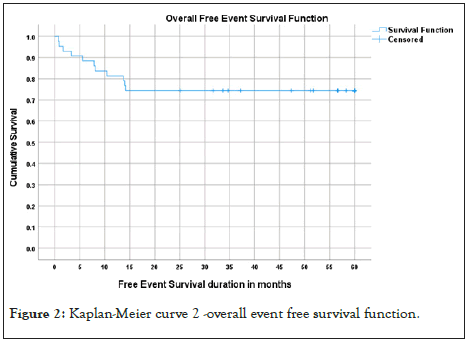
Figure 2: Kaplan-Meier curve 2 -overall event free survival function.
Although leukemia is the most common cancer in children and adolescents-accounting for approximately 30% of all childhood cancers. T-cell Acute Lymphoblastic Leukemia (T-ALL) remains a relatively rare but aggressive subtype, it represents about 12-15% of pediatric Acute Lymphoblastic Leukemia (ALL) cases and is characterized by unique biological and clinical features that distinguish it from B-cell ALL [3].
Pediatric T-cell acute lymphoblastic leukemia (T-ALL) has traditionally carried a poor prognosis and associated with a mortality rate of 10%-20% [1,2], yet both its prognostic markers and optimal treatment strategies remain subjects of ongoing debate.
A total of 43 children newly diagnosed with T-ALL between 2012 and 2022 were consecutively included in this study. We evaluated the impact of various prognostic factors including clinical features, Minimal Residual Disease (MRD), and the role of transplantation in post-remission therapy on patient outcomes.
T-ALL can affect both children and adults but occurs more frequently in the pediatric population, with adolescents more commonly diagnosed than younger children. The median age at onset is around 9 years, in contrast to precursor B-cell ALL, which typically peaks between ages 2 and 5. Additionally, T-ALL shows a strong male predominance, with boys having a threefold higher risk of developing the disease compared to girls. The reasons behind T-ALL being more prevalent in older children and its higher incidence in males, compared to B-ALL, remain unclear [11].
Our data showed similar results with about 80% of the patients are male and the median age was around 8.3 years. Central Nervous System (CNS) involvement is a major concern in pediatric T-cell acute lymphoblastic leukemia (T-ALL) and is often linked to worse outcomes [12]. The incidence of Central Nervous System (CNS) leukemia is about 5-10% in pediatric T-cell acute lymphoblastic leukemia (T-ALL) [12]. However, current diagnostic methods likely underestimate the actual frequency of CNS involvement. This is evidenced by post- mortem brain biopsies, which often reveal substantial CNS infiltration even in patients whose Cerebrospinal Fluid (CSF) showed no detectable leukemic cells during life [13].
Although most children with T-ALL do not show detectable leukemic cells in the CNS at diagnosis, prophylactic CNSdirected treatment remains essential to reduce the risk of relapse. Our study found that CNS involvement was present in 20.9% of all cases. Notably, over 40% of patients in the relapse group of this study had CNS involvement, aligning with the wellestablished association between CNS disease and poor prognosis in this population.
This highlights the importance of early-CNS directed therapy in survival, and CNS involvement in prognostication of pediatric T-ALL [14,15]. Mediastinal masses are a prominent clinical feature in pediatric T-cell acute lymphoblastic leukemia (T-ALL), frequently appearing as large anterior mediastinal tumors. These masses can result in serious complications such as respiratory distress, superior vena cava syndrome, and pleural or pericardial effusions. It can present in up to (~60%) in T-ALL [16].
Similar incidence reported in A retrospective analysis of 116 Austrian pediatric patients with T-ALL an initial mediastinal mass could be identified on 60% (70/116) [17]. Our study also showed 58 % of the patients had anterior mediastinal masses appreciated in their chest x-ray imaging’s at diagnosis time similar to Immunoglobulin (IG) gene rearrangement in B-cells, T-Cell Receptor (TCR) genes undergo a specific sequence of rearrangement during T-cell differentiation. This process begins with TRD (located at 14q11.2, encoding the δ chain), followed by TRG (7p14.1, γ chain), TRB (7q34, β chain), and finally TRA (14q11.2, α chain). More than 90% of T-ALL cases carry at least one monoclonal rearrangement, most often involving TRG and TRB 16.
One of the key limitations of our study is the absence of comprehensive cytogenetic and molecular data. However, we were able to identify T-Cell Receptor (TCR) rearrangements in 40% of cases. Notably, cytogenetic information was unavailable in over one-third of the patients.
Cure rates for Acute Lymphoblastic Leukemia (ALL) have significantly increased in recent decades, largely due to improved risk stratification strategies. These approaches integrate genomic profiling of the leukemia, treatment response, and clinical characteristics to help identify, at diagnosis, which patients are at higher risk of relapse or treatment resistance. While the risk stratification is well established for patients with B-cell lineage ALL, it continues to pose challenges in cases of T-cell lineage ALL (T-ALL) [18]. The risk stratification in T-ALL primarily based on bone marrow MRD [19,20]. Risk stratification categorized 21.9% of our patients as standard risk, 12,2% as intermediate risk and 65,8 % as high risk. This distribution is in line with international treatment protocols, where a majority of T-ALL cases fall within intermediate to high-risk categories due to their aggressive disease course and propensity for relapses.
Notably, 22% (9 cases) of patients remained MRD-positive post-induction. While MRD was not conclusive in another 10% (4 cases). This may partially explain the low remission rates nonetheless it was still not statistically significant. When repeating the MRD evaluation post consolidation phase 53.8 % of patients attaining MRD negativity after consolidation therapy. Although multiple studies including one involving 256 patients with T-cell lymphoblastic leukemia have established a clear association between post-induction positive Minimal Residual Disease (MRD) and poor survival 20, our findings did not demonstrate MRD status as a predictor of survival, which contrasts with existing literature [21-25]. One possible explanation for this discrepancy could be the limited sample size in our study.
A number of clinical trials established that early intensification of therapy improves T-ALL outcomes. All patients received chemotherapy, with the most frequently used protocols being COG 1961 (51%) that was adopten in our centre till the year of 2018 when all the new diagnosed cases with T-lymphoblastic leukemia was started on COG 1231 (34.8%). The selection of chemotherapy protocol arms was based on risk stratification, with intensified protocols being preferred for high-risk patients.
Radiotherapy was administered in about 40% of patients, mainly for CNS disease control, and the majority belongs to the group who were treated with CCG 1961 protocol where cranial irradiation was offered to the high risk patients. Notably, only 7% of our total patient cohort underwent Bone Marrow Transplantation (BMT), representing 40% of the relapsed group. More than half of the relapsed patients experienced a severe and rapidly progressive clinical course, resulting in death before reaching the BMT stage. This highlights the aggressive nature of T-ALL, particularly in the relapse setting, as well as the challenges related to donor availability and the limited role of BMT in frontline treatment. BMT remains primarily reserved for patients presenting with high-risk features.
Tumor Lysis Syndrome (TLS) is a well-known complication in T-ALL due to the typically high tumor burden and rapid response to chemotherapy. A national study involving 180 patients with hematologic malignancies reported TLS incidence ranging from 6% to 45%, with T-cell leukemia being the second most common cause after infant leukemia [26]. In our study, a comparable 44% of patients presented with features of TLS at diagnosis, underscoring the importance of close monitoring and comprehensive supportive care during induction therapy.
Asparaginases originally derived from Escherichia coli and Erwinia chrysanthemi, have been a cornerstone of ALL treatment since the 1960s. These enzymes deplete serum asparagine, an essential amino acid for protein synthesis, thereby starving leukemic lymphoblasts and impairing their survival. Pegaspargase has become a key element in both frontline and relapsed pediatric ALL protocols. Its extended half-life and reduced immunogenicity offer significant advantages over native asparaginase, enhancing both efficacy and tolerability. Unfortunately PEG-ASP causes significant toxicities in up to 20-25% of patients [27].
In our cohort, 22% of patients experienced allergic reactions to pegylated asparaginase, a lower rate compared to a national study involving 191 ALL patients, where anaphylaxis or hypersensitivity reactions were reported in 36.7% of cases [28].
Infections are the most common and potentially life-threatening complications of the treatment of children with Acute Lymphoblastic Leukemia (ALL) and remain a significant challenge in the management of T-ALL, given the immunosuppressive effects of both the disease and chemotherapy [29].
Our study documented 33 infectious episodes, the majority of which occurred during the intensification phases and were predominantly associated with neutropenia. Gram-positive bacteremia was observed in 17 episodes, with over 50% caused by Staphylococcus species. Gram-negative organisms were identified in 13 episodes, with E. coli being the most common pathogen, accounting for 30% of cases. This aligns with existing literature highlighting the high prevalence of E. coli infections in leukemia and other malignancies, where chemotherapy-induced mucosal damage and immunosuppression increase vulnerability to Gramnegative pathogens [30,31].
Fungal infections were noted in approximately 10% of cases, most commonly involving Candida species. A similar study examining infections in children with acute lymphoblastic leukemia reported coagulase-positive Staphylococcus as the leading cause of bacteremia.
The detection of Multidrug-Resistant Organisms (MDROs) and Carbapenem Resistant Enterobacteriaceae (CRE) in a subset of patients raises significant concerns about antimicrobial resistance in immunocompromised populations, emphasizing the need for stringent infection control practices and robust antimicrobial stewardship [31].
Although infection remains the leading cause of Treatment Related Mortality (TRM) in pediatric Acute Lymphoblastic Leukemia (ALL), the specific factors contributing to Infection Related Mortality (IRM) are not yet well defined. A report from the UKALL2003 trial analyzing infectious deaths found that 68% were linked to bacterial infections [32]. Similarly, our study revealed that severe infection-related mortality accounted for approximately 66% of all deaths, highlighting the significant impact of infectious complications on outcomes in pediatric T-ALL treatment.
Advancements in treatment have led to a marked improvement in overall survival for children with T-cell Acute Lymphoblastic Leukemia (T-ALL), with 5-year survival rates now nearing 85%. However, outcomes for relapsed or refractory T-ALL remain dismal, with survival rates falling below 35% in these cases [33].
A study conducted by the Dana-Farber Cancer Institute Consortium using Protocols 05-001 and 11-001, which included 123 patients with T-ALL, reported a 5-year Event Free Survival (EFS) of 81% (95% CI, 73-87%) and an overall survival (OS) of 90% (95% CI, 83-94%) [34]. Similar survival percent is also reported in several other studies with 5-years OS of 90 % [35-37]. However some studies showed a slight inferior survival figures that ranging from 74% to 87.6% [38-40]. Our cohort demonstrated comparable outcomes, with a 5-year EFS of 75% and OS of 79%.
The relapse rate in our study was 16%, aligning with the reported range in the literature, where relapse occurs in approximately 15%-20% of ALL cases [41]. And in other studies they reported relapse rate between 15-25 % [42,43]. Relapsed disease is associated with poor outcomes, as reflected in our cohort, where 70% of relapsed patients (5 out of 7) died.
A key limitation of this study is its small sample size, along with its retrospective design and being conducted at a single center. Additionally, the lack of detailed cytogenetic and molecular data, as well as the relatively short follow-up period between the end of the study and publication, further limits the strength of the findings.
T-cell acute lymphoblastic leukemia (T-ALL) is a highly aggressive blood cancer marked by the uncontrolled proliferation of immature T-cells. While pediatric survival rates have improved to around 80%, relapse or treatment resistance still leads to death in approximately 20% of cases, highlighting the urgent need for new therapies. Advances in molecular and genetic research have identified key genetic drivers and potential therapeutic targets in T-ALL. Current efforts focus on refining risk stratification, intensifying frontline treatment, and integrating novel agents. As conventional chemotherapy reaches its limits, future strategies rely on a deeper understanding of biology to develop more targeted, effective and less toxic therapies.
The author declares no conflicts of interest.
[Crossref] [Google Scholar] [PubMed]
[Crossref] [Google Scholar] [PubMed]
[Crossref] [Google Scholar] [PubMed]
[Crossref] [Google Scholar] [PubMed]
[Crossref] [Google Scholar] [PubMed]
[Crossref] [Google Scholar] [PubMed]
[Crossref] [Google Scholar] [PubMed]
[Crossref] [Google Scholar] [PubMed]
[Crossref] [Google Scholar] [PubMed]
[Crossref] [Google Scholar] [PubMed]
[Crossref] [Google Scholar] [PubMed]
[Crossref] [Google Scholar] [PubMed]
[Crossref] [Google Scholar] [PubMed]
[Crossref] [Google Scholar] [PubMed]
[Crossref] [Google Scholar] [PubMed]
[Crossref] [Google Scholar] [PubMed]
[Crossref] [Google Scholar] [PubMed]
[Crossref] [Google Scholar] [PubMed]
[Crossref] [Google Scholar] [PubMed]
[Crossref] [Google Scholar] [PubMed]
[Crossref] [Google Scholar] [PubMed]
[Crossref] [Google Scholar] [PubMed]
[Crossref] [Google Scholar] [PubMed]
[Crossref] [Google Scholar] [PubMed]
[Crossref] [Google Scholar] [PubMed]
[Crossref] [Google Scholar] [PubMed]
[Crossref] [Google Scholar] [PubMed]
[Crossref] [Google Scholar] [PubMed]
[Crossref] [Google Scholar] [PubMed]
[Crossref] [Google Scholar] [PubMed]
[Crossref] [Google Scholar] [PubMed]
[Crossref] [Google Scholar] [PubMed]
[Crossref] [Google Scholar] [PubMed]
[Crossref] [Google Scholar] [PubMed]
[Crossref] [Google Scholar] [PubMed]
[Crossref] [Google Scholar] [PubMed]
[Crossref] [Google Scholar] [PubMed]
Citation: Mohammed S, Omer H, Eldoussouki M, Khairy A, Alnaim F, Almajed M, et al. (2025). The Clinical Outcomes of Pediatric T-Cell Leukemia, A Retrospective Analysis, A Single Centre Experience. J Leuk. 13:455.
Received: 13-Aug-2025, Manuscript No. JLU-25-38466; Editor assigned: 15-Aug-2025, Pre QC No. JLU-25-38466 (PQ); Reviewed: 28-Aug-2025, QC No. JLU-25-38466; Revised: 04-Sep-2025, Manuscript No. JLU-25-38466 (R); Published: 11-Sep-2025 , DOI: 10.35248/2329-6917-25.13.455
Copyright: © 2025 Aldaama S, et al. This is an open-access article distributed under the terms of the Creative Commons Attribution License, which permits unrestricted use, distribution and reproduction in any medium, provided the original author and source are credited.