
Journal of Clinical Chemistry and Laboratory Medicine
Open Access
ISSN: 2736-6588
ISSN: 2736-6588
Research Article - (2025)Volume 8, Issue 2
Background: Breast Cancer (BC) is a common malignant tumor in women worldwide. This study is based on three machine learning (RF, XgBoost and GBM) and nomogram to explore the survival prognosis of positive lymph node logarithmic ratio (LODDS), Lymph Node Ratio (LNR) in elderly BC.
Methods: Information on elderly BC from 2010 to 2015 was collected from the SEER database and clinical and pathological information on 23,893 elderly BC patients were included through screening criteria and randomized 7:3 into a training set and a test set. Univariate, multivariate cox regression and LASSO regression analyses were used to determine the prognostic factors, on the basis of which nomogram and machine learning models were constructed. The predictive efficacy of the models was evaluated by c-index and AUC.
Results: 14 indicators age, marital, grade, subtype, Estrogen Receptor (ER), Progesterone Receptor (PR), stage, T, N, radiation, LODDS, bone metastasis, brain metastasis and liver metastasis as independent prognostic factors affecting CSS in older BC. The prognostic optimal cutoff values for age and LODDS were determined based on ROC, respectively 75 and 0.06. Fourteen variables were included in the model to construct Cox, RF, XgBoost and GBM models. The best predictive efficacy of the RF prognostic model was found by calculating C-index and AUC (Cindex= 0.811, AUC=0.881).
Conclusion: LODDS staging has a better survival prognosis in older BC. Three machine learning and nomogram models are constructed based on the SEER database of elderly BC patients, which can intuitively predict the survival probability of elderly BC patients.
SEER; LODDS; Elderly breast cancer; Nomogram; Machine learning
Breast Cancer (BC) is one of the most common malignant tumors in women and the second cause of death from malignant tumors in women after lung cancer and its prevalence increases with age. Surgical excision is the mainstay of clinical treatment for BC and the surgical treatment of BC includes both modified radical surgery and breast-conserving surgery, but lymph node metastasis is one of the decisive factors affecting the prognosis of BC, both preoperatively and postoperatively. Lymph node dissection is an important part of standard surgery for radical BC, including axillary lymph node dissection and sentinel lymph node dissection. Data from several studies have shown that in about 50% to 60% of BC patients undergoing sentinel-positive axillary sentinel lymph node dissection, the sentinel lymph nodes are the only metastatic foci in the axillary region. In fact, a significant number of patients with sentinel-positive BC do not have other axillary lymph node metastases [1].
In the eighth edition of American Joint Committee on Cancer (AJCC), the lymph node staging system for BC is divided into four stages: N0, N1, N2 and N3, based on the number of positive lymph nodes. Accurate staging of lymph node metastasis is important for evaluating patient prognosis and individualized treatment. However, when lymph node dissection is performed, the total number of lymph nodes collected is often relatively low and some researchers have proposed new lymph node staging methods, including LNR and LODDS. LNR is defined as the ratio of the number of positive lymph nodes to the total number of lymph nodes cleared and it has been suggested that LNR may be more accurate than N-staging in predicting survival in biliary tract tumors and gastrointestinal tumors. LODDS is defined as the logarithm of the ratio of the number of positive lymph nodes to the number of negative lymph nodes. In cancers such as colorectal and gastric cancers, the LODDS has been validated to better provide risk stratification information for patients and better predict the probability of survival. Numerous studies have shown that comparing the predictive ability of lymph nodes such as LODDS, LNR and N staging, LODDS has better differentiation, uniformity, homogeneity and prognostic stratification ability. In summary, LODDS-based prognostic modeling is expected to become a more accurate evaluation tool to assist clinical assessment of individual survival time and improve prognosis. Age is an important prognostic factor for BC patients and the incidence of BC increases almost linearly with age [2].
Elderly BCs differ in both cancerous and biological behaviors and therefore a unique predictive model is needed to predict the prognosis for patient survival. However, accurately prognosticating BC in the elderly remains challenging because of the complex associations between these risk factors and soft elderly BC survival. Nomograms, as charts capable of directly predicting patient prognosis, have been used in recent years for the prediction of most tumors. Meanwhile, with advances in computer science, machine learning has been applied to a number of medical fields such as oncology, genomics, medical imaging, etc., and it is capable of handling the large, complex and disparate data typically found in medicine. Breiman proposed Random Forest (RF) algorithm in 2001, which is a combined classifier constructed by self-service sampling to construct multiple classifiers by randomly selecting features at each node for branching. In this way RF algorithm can minimize the correlation between each classification tree, has good robustness to noise and outliers and has good model generalization ability. The intersection of machine learning and the medical field has become a hot research topic in recent years [3].
Therefore, based on the advantage of a larger sample size in the SEER database, this study selected three most common machine modeling algorithms in the medical field: Stochastic Sen, Xtreme Gradient Boosting (XgBoost) and GBM and combined them with the traditional Cox regression/nomogram to systematically analyze the risk factors affecting the survival of BC in the elderly and to assess the prognostic value of the number of lymph nodes for BC in the elderly. Meanwhile, this study compares the predictive ability of machine learning and nomogram to evaluate their application value in clinical work [4].
The flow chart of this paper is shown in Figure 1.
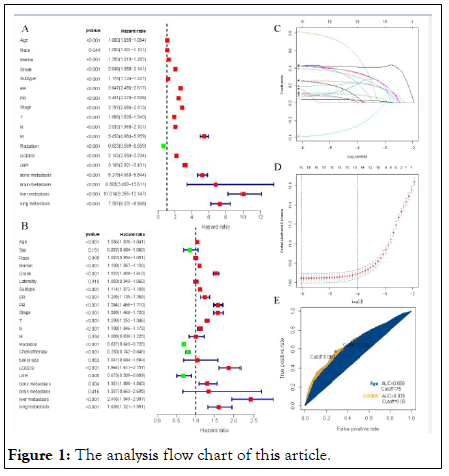
Figure 1: The analysis flow chart of this article.
Data source and study population
Data on elderly patients with BC were collected from the SEER database, which comprises 18 population-based registries and covers approximately 30% of the US population. The SEER database included 23893 elderly BC patients aged ≥ 65 years and patients were randomized 7:3 into two groups, a training set (n=16,726) and a test set (n=7,167), using the R “Caret” package.
Inclusion criteria were as follows:
• Patients diagnosed with BC between 2010-2015.
• Type reporting source was neither autopsy and death certificate only.
• Age ≥ 65 years.
Exclusion criteria were as follows:
• Unknown TMN stage, tumor type, tumor size and tumor grade.
• Patients with no surgery or undergoing local resection.
• Patients with no LN removed or with unclear Examined Lymph Nodes (ELNs) and Positive Lymph Nodes (PLNs).
• Patients with unclear survival data or survival time less than 1 month [5].
Study variables
The independent variables included the following clinicopathologic characteristics: Age, sex, race, marital, grade, laterality, subtype, ER, PR, stage, T, N, M, radiation, chemotherapy, tumor size, LODDS, LNR, bone metastasis, brain metastasis, liver metastasis, lung metastasis. Metastasis, brain metastasis, liver metastasis and lung metastasis. Cancer- Specialsurvival (CSS) was used as the study endpoint. The LODDS was formulated by log ((PLNs+0.5)/(ELNs-PLNs+0.5)). The LNR was defined as the ratio of the amount of PLNs and ELNs. Univariate, multivariate Cox regression analyses and LASSO regression analyses were used to screen independent risk factors associated with CSS for modeling [6].
Construction of prognostic models
The Cox regression model used the "coxph" function in the R "survival" package. Based on the identified prognostic factors, the R "rms" package was used to build a nomogram to predict the survival time, which provided the basis for diagnosis and treatment and survival prediction. The RF model is implemented through the rfsrc function of the randomForestSRC package, choosing the log-rank method as the node splitting criterion and setting Ntree to 1000 and choosing the default parameters for the rest of the parameters. For the XgBoost model, the R "xgboost" package was used. For the GBM model, the "gbm" package in R language software is used, which adopts the decision tree as the base learner. Finally, the accuracy of each model was evaluated using Concordance Index (C-Index) and Area Under Curve (AUC) values. The larger the AUC and c-index values, the better the predictive power is demonstrated [7].
Interpretation of models
SHAP is an additive interpretation framework developed by Lundberg et al. with ideas derived from game theory. DALEX is a model-independent descriptive interpretation method. The method is applicable to any predictive model and does not provide a fixed, local interpretation algorithm; the methods used to understand the global structure of the model (i.e., the model interpreter) and the methods used to understand the local structure of the model (i.e., the prediction interpreter) are implemented in different functions [8].
Statistical analysis
R Studio version 4.1.3 software was used for processing. Samples with missing values are deleted. The training set samples were used to construct the predictive model and the test set was used for internal validation of the model. The frequency and proportion of the baseline characteristics of the training and validation cohorts were described by Chi-square test or Fisher’s exact test. Variables with an unadjusted P-value of <0.05 were considered as potential risk or protective factors. All statistical tests were two-sided and A 2-tailed P<0.05 was considered statistically significant [9].
Baseline characteristics
A total of 23443 elderly BC patients were included in the final analysis from January 2010 to December 2015. The general data profile of 16276 patients in the Train group and 7167 patients in the Test group is shown in Table 1. Overall, between age, marital, grade, subtype, ER, PR, stage, T, N, radiation, LODDS, bone metastasis, brain metastasis, liver metastasis clinicopathologic data of train and test groups there was no statistical difference (P>0.05).
| Level | All (23892) | Train (16725) | Test (7167) | p | |
| Age (mean (SD)) | 73.44 (6.34) | 73.44 (6.34) | 73.43 (6.35) | 0.978 | |
| Sex (%) | Male | 437 (1.8) | 320 (1.9) | 117 (1.6) | 0.152 |
| Female | 23455 (98.2) | 16405 (98.1) | 7050 (98.4) | ||
| Race (%) | White | 19904 (83.3) | 13919 (83.2) | 5985 (83.5) | 0.375 |
| Black | 2313 (9.7) | 1609 (9.6) | 704 (9.8) | ||
| Other | 1675 (7) | 1197 (7.2) | 478 (6.7) | ||
| Marital (%) | Married | 11486 (48.1) | 8091 (48.4) | 3395 (47.4) | 0.29 |
| Unmarried | 2485 (10.4) | 1743 (10.4) | 742 (10.4) | ||
| Widowed/Divorced/Separated | 9921 (41.5) | 6891 (41.2) | 3030 (42.3) | ||
| Grade (%) | Grade I | 3802 (15.9) | 2628 (15.7) | 1174 (16.4) | 0.605 |
| Grade II | 11663 (48.8) | 8172 (48.9) | 3491 (48.7) | ||
| Grade III | 8421 (35.2) | 5921 (35.4) | 2500 (34.9) | ||
| Laterality (%) | Right | 11759 (49.2) | 8211 (49.1) | 3548 (49.5) | 0.293 |
| Left | 12128 (50.8) | 8509 (50.9) | 3619 (50.5) | ||
| Subtype (%) | HR+/HER2+ | 2351 (9.8) | 1678 (10.0) | 673 (9.4) | 0.407 |
| HR-/HER2+ | 982 (4.1) | 677 (4.0) | 305 (4.3) | ||
| HR+/HER2- | 18166 (76) | 12689 (75.9) | 5477 (76.4) | ||
| HR-/HER2- | 2393 (10) | 1681 (10.1) | 712 (9.9) | ||
| ER (%) | Positive | 20326 (85.1) | 14238 (85.1) | 6088 (84.9) | 0.728 |
| Negative | 3566 (14.9) | 2487 (14.9) | 1079 (15.1) | ||
| PR (%) | Positive | 17485 (73.2) | 12227 (73.1) | 5258 (73.4) | 0.692 |
| Negative | 6407 (26.8) | 4498 (26.9) | 1909 (26.6) | ||
| Stage (%) | I | 2248 (9.4) | 1581 (9.5) | 667 (9.3) | 0.687 |
| II | 13032 (54.5) | 9080 (54.3) | 3952 (55.1) | ||
| III | 7760 (32.5) | 5465 (32.7) | 2295 (32.0) | ||
| IV | 852 (3.6) | 599 (3.6) | 253 (3.5) | ||
| T (%) | T1 | 9093 (38.1) | 6341 (37.9) | 2752 (38.4) | 0.811 |
| T2 | 10831 (45.3) | 7593 (45.4) | 3238 (45.2) | ||
| T3 | 2506 (10.5) | 1752 (10.5) | 754 (10.5) | ||
| T4 | 1460 (6.1) | 1038 (6.2) | 422 (5.9) | ||
| N (%) | N1 | 17344 (72.6) | 12123 (72.5) | 5221 (72.8) | 0.83 |
| N2 | 4093 (17.1) | 2873 (17.2) | 1220 (17.0) | ||
| N3 | 2455 (10.3) | 1729 (10.3) | 726 (10.1) | ||
| M (%) | M0 | 23040 (96.4) | 16126 (96.4) | 6914 (96.5) | 0.874 |
| M1 | 852 (3.6) | 599 (3.6) | 253 (3.5) | ||
| Radiation (%) | No | 11304 (47.3) | 7896 (47.2) | 3408 (47.6) | 0.639 |
| Yes | 12588 (52.7) | 8829 (52.8) | 3759 (52.4) | ||
| Chemotherapy (%) | No | 12698 (53.1) | 8849 (52.9) | 3849 (53.7) | 0.265 |
| Yes | 11194 (46.9) | 7876 (47.1) | 3318 (46.3) | ||
| Tumor size (%) | <1 cm | 23803 (99.6) | 16666 (99.6) | 7137 (99.6) | 0.516 |
| 1-5 cm | 89 (0.4) | 59 (0.4) | 30 (0.4) | ||
| LODDS (mean (SD)) | -0.17 (0.61) | -0.17 (0.61) | -0.17 (0.62) | 0.792 | |
| LNR (mean (SD)) | -0.43 (0.32) | 0.43 (0.32) | 0.43 (0.32) | 0.923 | |
| Bone metastasis (%) | No | 23405 (98) | 16386 (98.0) | 7019 (97.9) | 0.888 |
| Yes | 487 (2) | 339 (2.0) | 148 (2.1) | ||
| Brain metastasis (%) | No | 23880 (99.9) | 16719 (100.0) | 7161 (99.9) | 0.231 |
| Yes | 12 (0.1) | 6 (0.0) | 6 (0.1) | ||
| Liver metastasis (%) | No | 23759 (99.4) | 16626 (99.4) | 7133 (99.5) | 0.306 |
| Yes | 133 (0.6) | 99 (0.6) | 34 (0.5) | ||
| Lung metastasis (%) | No | 23685 (99.1) | 16589 (99.2) | 7096 (99.0) | 0.2 |
| Yes | 207 (0.9) | 136 (0.8) | 71 (1.0) | ||
Table 1: Demographic and clinical characteristics of patients with elderly BC in the train and test cohorts (N=23892).
Screening for CSS-related risk factors
Using data from 16,725 elderly BC patients in the training cohort, we explored predictive factors contributing to their mortality. Nineteen variables in the univariate Cox proportional risk regression analysis were associated with CSS in BC (P<0.05). Sixteen variables in the multifactorial Cox proportional risk regression analysis were associated with CSS of BC (P<0.05). 16 variables in the LASSO regression analysis were associated with CSS of BC (P<0.05). Through the three analyses we finally screened and confirmed 14 prognostic variables for the next model construction, which were age, marital, grade, subtype, ER, PR, stage, T, N, radiation, LODDS, bone metastasis, brain metastasis and liver metastasis. Determine the prognostic optimal cutoff values for age and LODDS based on Area Under the Curve (AUC), respectively 75 and 0.06, at which point maximum sensitivity and specificity are reached.
Construction of Cox model and development of nomogram
A Cox proportional risk model was constructed using the 14 variables screened above. RiskScore=0.4179 age+0.1207 marital +0.4278 grade+0.1379 subtype+0.1418 ER+0.4476 PR +0.4806 stage+0.2561 T+0.171 N-0.433 radiation+0.463 LODDS +0.3446 bone metastasis+0.2587 brain metastasis +0.8475 liver metastasis. Only radiation has a negative risk function coefficient (-0.433), which suggests that chemotherapy treatment prolongs survival time for elderly BC patients. To facilitate clinical diagnosis, we plotted a nomogram to visualize the probability of survival of patients given 1, 3 and 5 years. Substituting the data of train and test groups into the column-line graph model, the calibration curves of 1, 3 and 5-year CSS of the model were plotted. The calibration curves were close to the 45° diagonal, indicating that the predicted survival probability was close to the actual survival probability. The ROC curves for predicting the 1, 3 and 5-year survival rates of the patients were plotted and the results of their AUC were 0.859, 0.0.824 and 0.0.809 in the train group, and 0.851, 0.0.821 and 0.0.803 in the test group, respectively. Meanwhile, we divided BC patients into high and low risk groups according to the middle position of RiskScore in the train group and plotted the Kaplan-Meier survival curves, which showed that the CSS of the high-risk group was significantly lower than that of the low-risk group (P<0.001).
Construction of machine learning models
We constructed 3 machine learning models (RF, XgBoost and GBM). The RF model has the ability to handle nonlinear relationships and does not require the risk proportion assumption. The 14 variables screened above were included in the random survival forest model and the optimal number of trees was chosen as 100, with a model C-index of 0.7761, to obtain the importance scores for each variable. The ranking of RF importance scores among the variables affecting the prognosis of elderly BC patients.
XGBoost survival embedding combines the advantages of the XGBoost gradient boosting framework and the survival embedding model to deal with both high-dimensional, complex data and effectively deal with missing values and nonlinear relationships. The 14 variables screened above are incorporated into the XgBoost model and the two parameters of depth and learning rate of the optimal model tree are selected. The feature importance analysis was performed in the XGBoost model.
GBM utilizes the idea of gradient boosting method, the use of decision regression trees as classifiers has been widely used. The 14 variables screened above were included in the GBM model and the output feature importance ranking.
Comprehensive comparison of models
The accuracy of the four models was compared by C-index and AUC values, where the C-index values RT (0.811)>GBM (0.777)>Cox (0.776)>XgBoost (0.756) and the AUC values RT (0.881)>GBM (0.859)>Cox (0.859)>XgBoost (0.850) and the combined comparison of RT model has the best prediction performance.
The ROC curves of RT model for predicting the 1, 3 and 5-year survival rates of the patients were plotted and the results of their AUC were 0.881, 0.856 and 0.845 in the train group and 0.867, 0.842 and 0.829 in the test group, respectively. Meanwhile, we divided BC patients into high and low risk groups according to the middle position of RiskScore in the train group of RF models and plotted the Kaplan-Meier survival curves. The train and test groups of the RT models showed that the CSS of the high-risk group was significantly lower than that of the low-risk group (P<0.001). The importance size and direction of each feature in the first sample. Green indicates that the feature has a negative impact on the prediction, and red indicates that the feature has a positive impact on the prediction. The box-and-line plot represents the distribution of the predictor variables across all alignments and the bars represent the shaply values.
Data in Global Cancer Statistics 2020 show that new cases of BC surpassed lung cancer globally by approximately 2.26 million, making it the number one cancer worldwide. As the population ages, the incidence of cancer in older patients is projected to increase, with the incidence of cancer in the elderly expected to account for nearly 70% of all diagnosed cases by 2030. Age is a key risk factor for developing BC, with the majority of BC patients diagnosed being over the age of 65 and nearly 20% being over the age of 75. BC is not serious enough to be fatal, although the cancer grows rapidly and can be fatal when BC cells metastasize with the lymph or bloodstream. Patients are most concerned about their chances of cure and long-term survival based on their condition and accurate prognostic information is often important for patient decisionmaking and counseling. The SEER database, as one of the largest cancer registries in the United States, contains a wealth of evidence-based medical data, mainly basic patient information, clinical characteristics, treatment and follow-up information. Therefore, we constructed a survival prediction model for BC in the elderly based on the SEER database.
The most common site of BC metastasis is the axillary lymph nodes. BC cells are able to invade the lymph nodes contralateral to the axilla in a retrograde manner and also metastasize through the lateral lymph nodes of the pectoralis major muscle. The status of lymph nodes, as an important risk factor for cancer, is important in determining the prognosis of patients, where numerous studies have shown that patients with lymph node metastases tend to have worse survival time. LODDS, LNR and N stage are important measures of lymph node metastasis and LODDS and LNR further take into account the number of positive lymph nodes differently from the traditional N stage. LNR is derived from the number of lymph nodes removed and also reflects the extent of surgery, and the value of LNR as a more accurate prognostic influencing factor has been demonstrated in other cancers, such as thyroid, gastric, and colon cancers. LODDS, defined as the logarithm of the ratio of the number of positive lymph nodes to the number of negative lymph nodes, is a recently proposed lymph node staging modality. Compared with LNR, LODDS can reflect the number of negative lymph nodes and some researchers have shown that the number of negative lymph nodes is an independent predictor of survival improvement in cancer patients and thus may have the potential to differentiate the prognosis of patients with negative metastatic lymph nodes. LASSO regression not only avoids overfitting and multicollinearity problems, but also applies to a wide range of continuous, dichotomous or multichotomous dependent variable types, giving the model better generalization ability. In this study, LNR was statistically significant in both one-way and multifactorial Cox analysis (p<0.05), but it was excluded in LASSO regression due to the problem of multicollinearity. LOODS had predictive value for survival in elderly BC patients (univariate Cox: HR=2.142; multivariate Cox: HR=1.864).
In this study, we combined univariate Cox, multivariate Cox and LASSO analysis to downscale the data and screened 14 factors associated with elderly BC with prognostic value (age, marital, grade, subtype, ER, PR, stage, T, N, radiation, LODDS, bone metastasis, brain metastasis and liver metastasis). Age is an important risk factor affecting the morbidity and survival of elderly BC patients. Elderly BC patients with declining physical function are more difficult to tolerate surgery and reduced postoperative activities are prone to various complications such as lung infection, impaired digestive function and systemic organ function, which in turn affects the quality of postoperative survival. ER is closely related to the occurrence and development of BC and about 70% of BC patients are ER positive. ER is categorized into two subtypes (ERα, ERβ) and it has been found that expression of ERα can be considered as a good indicator of BC survival, whereas loss of ERα indicates higher invasiveness of BC cells and poor patient prognosis. PR, a member of the nuclear hormone receptor family of liganddependent transcription factors, acts through cis-acting elements or by binding to specific target genes with other transcription factors and is a biomarker for the diagnosis and prognosis of BC. The results of the present study showed that bone metastasis, brain metastasis and liver metastasis can all be used as independent prognostic factors in elderly BC. Studies have found that about 60% to 75% of patients develop bone metastasis, which yea is also the most common site of distant metastasis in advanced metastatic BC. The median survival period after diagnosis of BC bone metastasis is generally 20-30 months, which seriously affects the patient's ability to move independently and quality of life.
With the development of computers and artificial intelligence, machine learning has become a new direction of interest for the medical community, with the advantage of efficiently extracting and processing data, which can lead to more accurate diagnosis and personalized patient treatment. Jiang et al. constructed an immune risk model based on a machine learning approach and its independent prognostic role in predicting recurrence of stage I-III small cell lung cancer. Qiu et al. utilized a machine learning approach in Computed Tomography (CT) to predict the pathologic grade of pancreatic ductal adenocarcinoma. Cox regression is the most commonly used analytical method for analyzing survival data and has a long history. Nomogram, which assesses multifactorial prediction of long-term survival of individual patients and can visualize Cox regression or Logistics regression, has been used for many cancer predictions. In this study, three machine learning models (RT, Xg-Boost, GBM) and a traditional Cox regression model were used to construct a prognostic model based on the data related to elderly BC in the SEER database to investigate the characteristic variables affecting the prognosis of elderly BC. In order to compare the advantages and disadvantages of machine learning models and traditional Cox regression models in the prognostic prediction of elderly BC, C-index and AUC were used to evaluate the predictive performance of each model. After comprehensive comparison, the RF model had better prognostic results (cindex= 0.811, AUC=0.881). The advantages of RF regression are strong model generalization, insensitivity to missing values, avoiding model overfitting and possessing good noise immunity. And RF is suitable for dealing with high-dimensional data, which can calculate the importance of each feature based on its attributes and its contribution in the decision tree.
Of course this study has some limitations:
• The SEER database covering about 30% of USA population represents a general situation, while it may be immature for application on Chinese population considering ethics difference.
• This study is a retrospective study, which inevitably has some bias and cannot establish a causal relationship, and a largescale, multicenter prospective study is necessary at a later stage.
• Although the LODDS system is becoming more and more accepted, there is no standardized cut-off value for the stratified LODDS system and only ROC curves were plotted in this study to determine the optimal cut-off value.
• The diagnosis and treatment of BC in the elderly is a multistage, systematic process.
The predictive accuracy of the model can be further improved if other confounding prognostic factors can be incorporated, such as clinical test indicators, tumor markers, family history and genomic status.
In summary, this study builds a prognostic model for elderly BC patients based on the Seer database using nomogram and three machine learning models, and finds that the RF model has better accuracy and predictive ability, and also finds that the LODDS serves as an important independent risk factor for elderly BC.
The authors declare no conflict of interest.
The datasets generated and/or analyzed during the current study are available in the SEER repository (https://seer.cancer.gov/).
Not applicable.
[Crossref] [GoogleScholar] [PubMed]
[Crossref] [GoogleScholar] [PubMed]
[Crossref] [GoogleScholar] [PubMed]
[Crossref] [GoogleScholar] [PubMed]
[Crossref] [GoogleScholar] [PubMed]
[Crossref] [GoogleScholar] [PubMed]
[Crossref] [GoogleScholar] [PubMed]
[Crossref] [GoogleScholar] [PubMed]
[Crossref] [GoogleScholar] [PubMed]
Citation: Ma R (2025) Construction of Machine Learning and Nomogram-Based Prognostic Models for Elderly Breast Cancer Based on the SEER Database. J Clin Chem Lab Med. 8:306.
Received: 13-Sep-2024, Manuscript No. JCCLM-24-34025; Editor assigned: 16-Sep-2024, Pre QC No. JCCLM-24-34025 (PQ); Reviewed: 30-Sep-2024, QC No. JCCLM-24-34025; Revised: 10-Apr-2025, Manuscript No. JCCLM-24-34025 (R); Published: 17-Apr-2025 , DOI: 10.35248/2736-6588.25.8.306
Copyright: © 2025 Ma R. This is an open-access article distributed under the terms of the Creative Commons Attribution License, which permits unrestricted use, distribution, and reproduction in any medium, provided the original author and source are credited.