Cloning & Transgenesis
Open Access
ISSN: 2168-9849
ISSN: 2168-9849
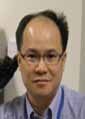
Anthony W S Chan
Professor, Department of Human Genetics
Emory University School of Medicine, USA
Dr. Anthony was trained as a Veterinarian at the National Taiwan University and received my PhD training at the University of Wisconsin-Madison. I create the first transgenic monkey in 2001 and the first transgenic Huntington’s disease monkey in 2008. My research is focused on the development of transgenic nonhuman primate model of inherited human disease such as Huntington’s and Alzheimer’s diseases. My lab also has great interest in developing pluripotent stem cell model for studying pathogenesis of neurodegenerative diseases and develop in vitro platform for the development of novel treatments including new drugs, gene and cell therapy in parallel with our transgenic monkey model. In addition to extensive longitudinal studies on our transgenic monkey model and stem cell research, we are developing transgenic MRI reporter that we hope to apply in stem cell replacement study in nonhuman primates.
Dr. Anthony was trained as a Veterinarian at the National Taiwan University and received my PhD training at the University of Wisconsin-Madison. I create the first transgenic monkey in 2001 and the first transgenic Huntington’s disease monkey in 2008. My research is focused on the development of transgenic nonhuman primate model of inherited human disease such as Huntington’s and Alzheimer’s diseases. My lab also has great interest in developing pluripotent stem cell model for studying pathogenesis of neurodegenerative diseases and develop in vitro platform for the development of novel treatments including new drugs, gene and cell therapy in parallel with our transgenic monkey model. In addition to extensive longitudinal studies on our transgenic monkey model and stem cell research, we are developing transgenic MRI reporter that we hope to apply in stem cell replacement study in nonhuman primates.