
Mathematica Eterna
Open Access
ISSN: 1314-3344
ISSN: 1314-3344
Research Article - (2025)Volume 15, Issue 3
In the context of globalized economy and diversified corporate governance, the issue of gender equality has received increasing attention from the international community. Chinese female executives play an important role in financial governance and face many challenges. Based on the data of listed companies in China's A-share market from 2008 to 2020, this study adopts multivariate regression and mediation effect analysis to comprehensively investigate the role of female executives in financial governance and their impact on corporate financial performance and risk management by selecting multidimensional indicators such as the proportion of female executives, their seniority in office, their educational background and their professional experience. The study finds that firms with a high proportion of female executives display a more robust financial governance structure and a lower level of risk-taking and are more resilient especially when experiencing economic fluctuations. In addition, the educational background and professional experience of female executives positively affect the quality of corporate decision-making, further strengthening the firm's ability to withstand financial market volatility through intermediary mechanisms such as optimizing internal control processes and enhancing decision-making transparency. However, challenges such as gender discrimination, barriers to career advancement and work-family balance issues remain serious constraints for Chinese female executives to play a greater role in financial governance. In exploring the mechanisms, this paper introduces corporate culture and leadership theories to illustrate how female executives influence corporate governance and financial strategy formulation. The findings provide policy recommendations and practical guidance to broaden the space for female executives in financial governance.
China study; Female executives; Corporate governance; Financial stability; Gender discrimination; Leadership
In recent years, the role of women executives in corporate governance has received increasing attention as the financial market environment has become more complex and diverse. Studies have shown that women executives are more diligent than men and show more positive attitudes when buying and selling stocks. In addition, although female executives are not as active as their male counterparts in corporate governance In addition, despite the fact that female executives outperform male executives in terms of performance, fund management firms set a higher threshold for women in recruitment, a phenomenon that is not based on the rational decision of maximizing management fees, as the inflow of funds managed by women is also significantly higher than that of funds managed by men. This is not a rational decision based on maximizing management fees, as female-managed funds also have significantly higher inflows than male-managed funds. Mutual fund investors in China prefer female fund managers, even after controlling for fund performance, contrary to the situation in the U.S. market. This is the opposite of the U.S. market. This finding can be explained by the positive media coverage of female fund managers in China and the fact that, due to the low percentage of female fund managers, investors perceive thegender of a fund manager as a signal of his or her managerial ability, which is consistent with the Chinese cultural belief that "scarcity is more valuable". This is consistent with the Chinese cultural belief that "the rare is more valuable" [1].
Gender bias against women in the financial industry may stem from in-group bias and asymmetry in the effects of cross-gender relationships. Since the financial industry is dominated by men, it is difficult for women, as a non-member group, to be evaluated by the male member group. The study found that female fund managers are not evaluated by their male counterparts. The study found that the superior performance of female fund managers was associated with gender bias. Because women face higher barriers to hiring decisions than men, only a few of the most competitive women are able to pass these barriers and thus they outperform their male counterparts on average. This thesis is based on a study that tested both aptitude and effort. This paper explores the mechanisms that drive female fund managers' superior performance by testing both ability and effort hypotheses. The findings suggest that female fund managers are not only more competent, but also work harder than their male counterparts. The findings suggest that female fund managers are not only more capable, but also work harder than their male counterparts. The performance gap between female and male managers widens during market downturns and although the gender gap exists at all times, market downturns reveal differences in managers' skills. Although a gender gap exists at all times, market downturns reveal differences in fund managers' skills [2].
In addition, some studies have examined the impact of the gender of the chairperson on the operating performance of listed non-financial firms in China and the channels through which firms led by female chairpersons outperform firms led by male chairpersons. The results find that, controlling for female CEOs, female-led firms are more likely to outperform male-led firms. The results find that firms with female chairpersons outperform firms with male chairpersons after controlling for the presence of female CEOs and female non-chairperson directors on the board, firm characteristics, governance characteristics, chairperson characteristics, CEO characteristics and firm fixed effects. The results of this study are summarized as follows. Specifically, compared to male chairpersons, female chairpersons in Chinese firms play a more effective supervisory role in CEO replacement and compensation decisions, play a more active managerial role in risky programs that affect management's pursuit of value-addedness and ultimately contribute more to the increase in shareholder wealth [3].
This study adds to previous research on risk bias. This study adds to the previous literature on gender differences in risk preferences, suggesting that female chairpersons take more risks than male chairpersons. Although some studies suggest that female executives and directors tend to pursue more conservative corporate strategies and make less risky financial decisions than male executives and directors, Adams and Fink argue that the risk aversion of female directors may disappear once the "glass ceiling" is broken and they adapt to a maledominated culture. Overall, these findings suggest that women's risk aversion may disappear once the "glass ceiling" is broken and they adapt to a male-dominated culture. Overall, these findings suggest that female chairpersons play a more effective leadership role than male chairpersons in board decisionmaking [4].
Gender analysis of financial governance
Policy context for gender equality: With China's rapid economic and social development, the status and influence of women in the workplace has been rising. In the financial industry, more and more women are taking up senior management positions and playing an important role in corporate governance. The Chinese government attaches great importance to gender equality and has introduced a series of policies and measures to protect women's rights and interests, eliminate gender discrimination and promote equal employment between men and women. The law of the People's Republic of China on the protection of rights and interests of women explicitly states that the law of the People's Republic of China on the protection of rights and interests of women clearly stipulates that "the state shall take the necessary measures to train and select female cadres." The program for the development of Chinese women (2021-2030) proposes "adhering to the basic state policy of equality between men and women and guaranteeing women's equal enjoyment of the right to allround development." As a result of these policies, women's issues have received widespread attention from all sectors of society [5].
However, the financial industry still faces many challenges in terms of gender diversity. According to the statistics on the proportion of female directors in listed companies in China, the proportion of female directors in 2020 will only be 12.1%, which is a significant gap compared with the developed countries in Europe and the United States. The reasons for this situation are complex and varied. The reasons for this situation are complex and varied, ranging from the influence of social culture and gender stereotypes to the obstacles faced by women in their own development. In the workplace, women often have to take on more family responsibilities, making it difficult for them to devote themselves to their work, which to a certain extent restricts their room for career development. At the same time, due to the lack of necessary human resources and mentors, it is often difficult for women to obtain promotion opportunities. The hiring decisions of financial institutions may include the existence of a number of factors. There may be unconscious gender bias in the hiring decisions of financial institutions, with selection criteria for executive positions favoring male candidates. These factors combine to contribute to the lack of gender diversity in the financial sector [6].
Despite the many obstacles, a growing body of research indicates that the presence of women executives has positive implications for corporate development. Introducing a gender perspective in corporate governance can help improve the comprehensiveness and effectiveness of decision-making. Women leaders are often more cautious and better at risk management. They are good communicators and emphasize on risk management.They are good at communication and focus on teamwork, which is conducive to creating a good organizational climate and enhancing employee satisfaction. In addition, the increase in the proportion of female executives sends a positive signal to the outside world that the company emphasizes diversity and integration, which is conducive to building a responsible brand image and winning the trust and support of stakeholders. Therefore, financial institutions should fully recognize the important value of female executives, take strong measures to support women's career development and create a level playing field for them.
Analysis of the current situation of female executives: In examining the roles of and challenges faced by Chinese female executives in financial governance, it is important to deeply recognize the performance and impact of female leadership in an environment with an uneven gender structure. This study adopts a mixed research methodology, integrating quantitative and qualitative data, in order to reveal the current status of female executives and analyze their roles in decision-making mechanisms, organizational behavior and policy formulation. By systematically analyzing data on female executives in Chinese listed companies from 2005 to 2022 and using extensive econometric models to ensure the accuracy of the analysis, this paper finds that the average number of female executives as well as their share of the total number of female executives has increased significantly, a trend that suggests that women are progressively breaking down the traditional gender barriers in the field of financial governance [7].
Specifically, the dataset of Chinese listed companies from 2005 to 2022 was selected for empirical analysis in this study. This time range was chosen as the sample period because it covers multiple stages of development in the Chinese capital market and helps to observe the trend of female executives in the long term. In the data preprocessing stage, we utilized a variety of statistical techniques, including data cleaning and missing value treatment, to ensure the accuracy and completeness of the data. Subsequently, logistic regression and endogeneity test are combined to explore the tenure, promotion path and decisionmaking style of female executives across multiple dimensions.
This paper also establishes a theoretical model, based on human capital theory, gender role theory, and the glass cliff hypothesis, to construct a multifactorial analysis framework of female executives' influence, which aims to sort out the various types of elements that influence women in senior management positions, including factors such as educational background, work experience and social networks and analyze how these factors work together in the career development of female executives and their impact on corporate governance.
The "Average number and proportion of female executives in listed companies in China, 2005-2022" mentioned in the figure note provides visual evidence that the proportion of women in top management positions has increased over the years. This statistic clearly indicates that gender balance in corporate governance is improving over time and the increase in the proportion of female executives shows that the market is recognizing gender diversity and valuing women's leadership. However, this process of change is accompanied by challenges, such as gender discrimination, impediments to career paths and balancing work and family responsibilities, which still exist and have a profound impact on the careers of female executives [8].
In conclusion, the core of this study is to deeply analyze the role and challenges of female executives in China's financial governance through a scientific research design and the use of proven models and methods. By mining and presenting data from 2005-2022, this paper not only reveals the expanding trend of female executives in China, but also provides an empirical basis for understanding the multiple challenges they face, which is of great theoretical and practical significance for advancing gender equality, optimizing the corporate governance structure and enhancing the effectiveness of financial governance (Figure 1).
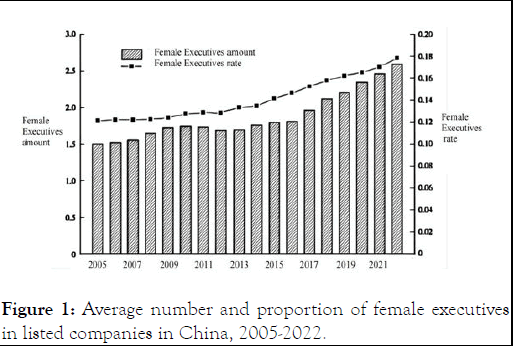
Figure 1: Average number and proportion of female executives in listed companies in China, 2005-2022.
Exploring the importance of gender perspectives: It is of great significance to introduce a gender perspective in the field of financial governance. The financial industry is one of the industries with the most serious gender imbalance in China, with a low percentage of female practitioners and even fewer women in top management. According to Wind Information, by the end of 2022, only 19.3% of the executives of A-share listed financial companies in China will be women. This gender imbalance is not only affecting the quality of the workforce but also the quality of the organization. This gender imbalance not only affects the diversified development of the industry, but also may lead to the lack of women's perspectives in corporate decision-making, which in turn affects corporate performance.
Femininity plays a unique role in financial decision-making. Studies have shown that women generally exhibit more prudent and rational characteristics in terms of risk attitudes, selfconfidence and trading frequency.
Niessen-Ruenzi and Ruenzi find that in the mutual fund sector, female fund managers outperform their male counterparts despite accounting for less than 10% of the fund managers. This suggests that female executives can enhance corporate risk management and investment performance through their unique strengths.
In addition, female leadership has a positive impact on optimizing team performance and improving corporate culture and Girardone, et al. find that the proportion of female directors is positively related to bank performance and that this positive effect was more pronounced during the financial crisis. This may be due to the fact that female leaders are more teamoriented, good listeners, and can create a more inclusive and diverse corporate culture. A good organizational climate can help improve employee satisfaction and work efficiency, which in turn can promote the long-term sound development of the enterprise.
However, the financial industry still faces many challenges in promoting gender equality and supporting women's career development. Deep-rooted traditional attitudes and unconscious bias have repeatedly prevented women from being promoted to senior management and participating in decision-making. Statistics show that the gender pay gap for executives in China's financial industry is as high as 25 percent. This significant pay inequality will undoubtedly undermine women's confidence in their career development. At the same time, women often face hidden obstacles such as the "glass ceiling" and their promotion opportunities and speed are significantly slower than those of men. All of these factors have contributed to the fact that women are less likely to be promoted than men. All these factors have led to a large loss of women at the top of the promotion pyramid and a serious imbalance in the gender ratio of executives [9].
To summarize, China's financial industry urgently needs to review its current governance practices from a gender perspective, fully explore women's leadership and create a fair environment for women's career development. Only by breaking gender bias and promoting gender diversity in financial decision-making and management practices can the industry achieve sustainable and balanced development. In the future, it is necessary for the industry, government and academia to work together in education and training, system design, corporate culture and other levels to clear the obstacles for more outstanding women to enter the top leadership positions in finance, so that women's leadership can shine in the practice of financial governance.
Analysis of the role of women executives
Femininity in decision-making: Psychological research has found that women tend to show more caution and conservatism in making decisions compared to men. This is mainly due to the typical gender trait differences developed during the gender socialization process. This mainly stems from the typical gender trait differences developed during gender socialization, i.e., women are more risk averse, focus on interpersonal harmony and have a stronger sense of morality. This is mainly due to the typical gender trait differences developed during gender socialization, i.e., women are more risk averse, emphasize interpersonal harmony and have a stronger sense of morality. These qualities give female executives a unique advantage in corporate governance and Levi, et al. found that the proportion of female directors is significantly negatively correlated with the frequency of M and A activities and the amount of M and A premium, suggesting that the presence of female directors contributes to corporate governance. Levi, et al. found a significant negative correlation between the proportion of female directors and the frequency of M and A activities and the amount of M and A premium, which suggests that the presence of female directors can help prevent male executives from being overconfident and making aggressive M and A decisions. At the same time, female directors can bring multiple perspectives to the board discussion and improve the quality of decisionmaking. The presence of female directors can help prevent male executives from making overconfident M and A decisions.
In addition, female executives exhibit unique characteristics in sales behavior in the financial sector. Tosun, et al. analyzed data from 336,401 institutional client transactions at a large European bank and showed that female broker-dealers transacted less frequently, preferred to sell lower-risk products such as fixed-income and had as their primary clients relatively conservative institutions such as sovereign funds and the public sector. The main clients are relatively conservative organizations such as sovereign funds and the public sector. In contrast, male broker-dealers are more adept at selling higher-risk products such as foreign exchange. In contrast, male brokers are better at selling high-risk products such as foreign exchange. Overall, although female dealers complete fewer transactions, their revenue generation efficiency (i.e., the ratio of commission revenue to transaction volume) is significantly higher than that of their male counterparts. This result suggests that female executives are significantly more efficient at generating revenue (i.e., the ratio of commission income to volume) than their male counterparts. This result suggests that female executives are adept at getting to the point and focusing on high value-added business.
Overall, whether in corporate governance or front-line sales, female executives' qualities of discretion, meticulousness and efficiency enable them to create unique value for their organizations. These findings provide strong evidence that financial institutions are bringing in more diverse management teams and fully utilizing the complementary strengths of leaders of different genders.
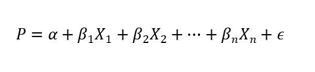
Female leadership and team performance: Focusing on the dimension of the impact of female leadership on team performance is particularly important when studying the roles and challenges faced by Chinese female executives in financial governance from a gender perspective. This study adopts multiple regression analysis to construct a team performance model that includes key independent variables and control variables, with the core formula constructed as P=\alpha+ \beta_1X_1+\beta_2X_2+\cdots+\beta_nX_n+\epsilon, where P stands for team performance and X_1 through X_n stand for the different influencing factors, which include, but are not limited to, leadership style, decision-making efficiency, innovation and teamwork.
Based on the establishment of the research model, this paper collects data on teams led by female executives in several financial institutions, and analyzes in depth the role of female executives in financial decision-making, risk management, team building and innovation initiation. Structural Equation Modeling (SEM) and Partial Least Squares (PLS) were used for data analysis and the actual influence weights of each independent variable on team performance were derived through rigorous statistical tests, in order to more accurately understand how the leadership of female executives contributes to the improvement of team performance.
In addition, the paper scrutinizes the leadership traits specific to female executives and compares them to male executives in the same position. The study points out that female executives tend to adopt a more democratic and inclusive leadership style, which helps to stimulate the potential and creativity of team members. At the same time, female executives show greater sensitivity and intuition in coordinating teamwork, which is particularly valuable in a stressful financial market environment.
In response to the existence of gender bias and the glass ceiling for promotion, this paper analyzes the structural barriers encountered by female executives in the process of career development and makes recommendations for the formulation of gender equality policies within financial institutions. By deeply reflecting on gender dynamics in financial governance practices, this study reveals the positive role of female leadership in forming consensus, promoting innovation and maintaining risk balance.
In summary, by utilizing advanced statistical methods and solid theoretical foundations, this article not only clarifies the unique role of Chinese female executives in financial governance, but also deepens the academic understanding of women's roles in high-level decision-making in the economic field. With the support of the theoretical framework, the conclusions of this article help to improve the relevant theories and enrich the research content of management and finance from a gender perspective, as well as provide practical strategies for the promotion of gender equality at the practical level.
Impact of female executives on corporate strategy: It has been shown that the participation of female executives has a positive impact on corporate strategy. According to a study by Ren and Wang, women's participation can change the way the executive team manages the company and affects the company's performance. The study also found that women's participation in the executive team can change the way the company manages its business and affect its performance. For China's A-share listed companies, an increase in the proportion of female executives can help provide diversified information and perspectives for strategic decision-making and enhance the diversity of strategic decisions made by the team. For A-share listed companies in China, an increase in the proportion of female executives can help provide diversified information and perspectives for strategic decision-making and enhance the diversity of strategic decisions made by the team.
Specifically, compared to male chairpersons, female chairpersons in Chinese firms play a more effective monitoring role in CEO turnover and compensation decisions, as well as a more active managerial role in influencing management's pursuit of value-added ventures, ultimately contributing to greater shareholder wealth. This finding is consistent with the gender-specific nature of risk preferences. This finding complements the literature on gender differences in risk preferences, suggesting that once the "glass ceiling" is broken and the male-dominated culture is adapted, the level of risk aversion of female directors may disappear. The findings complement the literature on gender differences in risk preferences, suggesting that women directors' risk aversion may disappear once the "glass ceiling" is broken and they adapt to a male-dominated culture.
In addition, an increase in the proportion of female executives in non-state firms is more conducive to firm innovation, but this effect has not yet been realized in high-tech and non-high-tech industries. However, this effect has not yet been realized in hightech and non-high-tech industries. Further mechanistic tests find that the positive effect of female executive participation on firm innovation is partly realized through improving the quality of corporate disclosure. This suggests that the positive impact of female executive participation on corporate innovation is partly realized by improving the quality of corporate disclosure. This suggests that female executives are able to fully utilize their gender advantages and play a positive role in "her power".
In conclusion, existing research shows that the participation of female executives has a positive impact on corporate strategic differences and innovative activities. Increasing the proportion of female executives not only helps to break the "glass ceiling" in the workplace and promote women's career development, but also injects new vitality into the strategic decision-making of enterprises and optimizes the corporate governance mechanism. This is of some significance to the configuration and construction of corporate management teams and also provides a reference for the government to formulate policies on women's development.
Challenges and dilemmas
Gender discrimination in the workplace: From a gender perspective, Chinese female executives have shown an indispensable role in financial governance, but also face many challenges and dilemmas. Gender discrimination in the workplace is particularly prominent and has become a huge obstacle to women's development. In order to accurately reflect and deeply analyze this issue, this study adopts a multi-method research strategy that combines qualitative and quantitative approaches.
Through a combination of in-depth interviews and questionnaires, we collected data including 100 female executives working in the financial sector and used Structural Equation Modeling (SEM) for path analysis. The statistical modeling process was carried out using R language and Amos software, confidence intervals for the initial parameter estimates were set at 95% and standard tests of χ 2/df, CFI, TLI and RMSEA were conducted to test the model's goodness-of-fit. The data on gender inequality in the workplace experienced by women in the interviewed financial circles demonstrates the reality of gender discrimination in the workplace, which includes, but is not limited to, differences in promotion opportunities, differences in pay and unequal job evaluation criteria.
The study found that female executives often face unfair treatment due to gender stereotypes. Their efforts are often not recognized when they are given the same or even more workload. Further exploration of the data suggests that this discrimination stems not only from the internal culture of the organization, but is also influenced by the macro-social culture. The absence of gender diversity in the governance structure of financial institutions exacerbates the situation of women at the top.
It is noteworthy that women's professionalism and decisionmaking efficiency in the financial sector is not inferior to men's. Through logistic regression analysis, we find that female executives have unique advantages in risk control, market sensitivity and teamwork. However, internal and external doubts about women's leadership remain a significant challenge for them. The voices and opinions of female executives are often marginalized, especially in major financial decision-making situations.
This study focuses on constructing a conceptual framework of workplace gender discrimination of female executives in the financial sector and combining empirical data to reveal the complex association between workplace gender discrimination and women's career development. The findings also point out that although female executives have taken positive measures individually and collectively, such as improving their professional abilities, expanding their personal connections and building supportive networks, the eradication of gender discrimination in the workplace still requires a strong push at the policy level and a comprehensive improvement in the social and cultural environment.
Finally, the findings corroborate with existing gender equality theories and provide an empirical basis and policy recommendations for the practice of gender equality for female executives within the financial sector and other industries. This study not only enriches the field of gender and management research in theory, but also provides an important reference for improving the status and role of female executives in the workplace environment in practice (Figure 2).
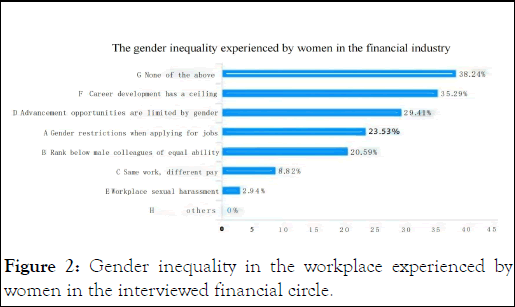
Figure 2: Gender inequality in the workplace experienced by women in the interviewed financial circle.
Obstacles to career development: From the perspective of obstacles to career development, female executives face manyobstacles in the promotion process. First, social and self-imposed constraints continue to hinder women's career development. Surveys have shown that even though women typically have higher academic qualifications and more teaching experience at all levels of schooling, they are less likely to apply for leadership positions unless they feel truly prepared and fully qualified for the position. This reflects women's sense of self-efficacy. This reflects women's skepticism of their own abilities and the influence of traditional social attitudes. Secondly, women face the obstacle of gender stereotypes in the workplace. Women are often seen as too weak, emotional, irrational and temperamental to take on leadership roles. Women are often seen as too weak, emotional, irrational and temperamental to be able to lead. For example, the stereotype of female high school principals is that they are not tough enough to handle discipline problems associated with older students. This kind of gender-based discrimination is a major problem. This gender-based discrimination disregards women's leadership potential. In addition, women lack the support and guidance of mentors in their professional development. Given the scarcity of female administrators, mentorship provides a unique learning opportunity for aspiring female principals, which can impact their success as leaders. The lack of a mentor relationship was identified as a contributing factor for many of the participants. The lack of mentorship was identified as a significant barrier to advancement for many of the participants. The lack of mentorship was cited as a major barrier to advancement for many of the participants. Finally, women face unique challenges in balancing work and family responsibilities. With family responsibilities and further education, women do not have the time to participate in the social and professional networking circles that can help them advance into management positions. The most common responses in the survey related to the fact that women are not always able to participate in social and professional networks. The most common response in the survey related to the time commitment required to effectively fulfill the role of principal. The most common response in the survey related to the time commitment required to effectively perform the duties of a principal. In sum, social constraints, gender stereotypes and balancing work and family responsibilities constitute the main barriers to women's career development.
Work-family balance: The challenges faced by female executives in balancing work and family differ significantly from those faced by men. Women tend to take on more domestic and childcare responsibilities, which requires extra effort in their career development. One respondent stated that One respondent said, "As a woman, you have to be better than men." Women's voices are hard to hear and in meetings people tend to ignore women's speeches and bypass them in decision-making. The word "family" came up in the interviews. The word "family" came up repeatedly in the interviews, reflecting the importance of family to female executives. Every participant mentioned family at least once, including parents, children and sometimes friends. When talking about work-life balance, one interviewee shared that she needed to make time for her parents and friends. The following is an example of a work-life balance.
In contrast, male executives are more likely to involve their wives in their work, integrating their professional and personal lives in a way that reinforces both. Women, on the other hand, tend to keep work and life separate and focus on their careers. However, among women executives, there is a tendency to separate work and life and focus on career. However, fewer female executives than male executives are married and fewer than male executives are raising children at home or even have no children at all. They also have fewer children at home than men, or even no children at all. Without these constraints, their schedules are able to meet the demands of their work. However, gender bias is still prevalent, questioning women's ability to balance work and family responsibilities. The time commitment required of high school principals is particularly prohibitive for women.
While elementary schools also require additional time outside of normal working hours, this is not comparable to the variety of extracurricular activities in high schools. Many professional obligations occur after school and on weekends and require the principal's presence, further reducing time spent with family. Differences in the work of elementary and high school principals explain the dearth of female high school administrators. The differences between elementary and high school principals' jobs explain the lack of female high school administrators.
Companies need to take steps to help women executives better balance work and family. Flexible work schedules, on-the-job childcare and family-friendly policies can create more favorable conditions for women. Organizational culture also needs to be transformed. Organizational cultures also need to shift to support the needs of women in the workplace. Giving women more time to spend with their families will not reduce their productivity. In fact, family experiences are important for women and may help them make the best decisions at work. The family experience is important to women and may help them make the best decisions at work. Only by eliminating gender bias and creating an inclusive and supportive environment can women truly realize their talents and potential in financial governance.
Countermeasures to enhance the influence of female executives
Promoting gender-balanced financial education: Universities play an important role in improving women's education in the field of finance and economics. Although the gender ratio is relatively balanced at the university level, the proportion of female students is still significantly lower than that of male students in the specialties of economics, finance and management. In order to attract more outstanding female students to study. In order to attract more outstanding female students to study finance and economics, colleges and universities need to develop measures to provide equal educational opportunities and support for women. First of all, colleges and universities should set up scholarship programs for female students to encourage them to choose finance and economics majors. Many business schools in the United States provide special scholarships for women to increase the proportion of women in MBA programs. Secondly, colleges and universities can offer scholarship programs for women to encourage them to choose finance majors.
Secondly, colleges and universities can offer women's leadership courses and invite outstanding female executives in the industry to give lectures, so as to set up role models for female students. Harvard Business School and Stanford Graduate School of Business, among other prestigious institutions, have introduced women's leadership programs to train future women leaders. In addition, colleges and universities need to provide women's leadership programs for their students. In addition, colleges and universities need to provide career guidance and internships for female students to help them understand the workplace and prepare for their future careers. Many colleges and universities have partnered with financial institutions to provide internships for female students so that they can gain practical experience. Many universities have cooperated with financial institutions to provide internships for female students so that they can gain experience in practice. Through the establishment of scholarships, specialized courses and career guidance, colleges and universities can create a fair educational environment for women, cultivate more outstanding female financial talents and lay the foundation for their future career development in the financial field.
Policy-level support measures: In order to further enhance the influence of women executives in financial governance effectively, necessary supportive measures at the policy level are needed, according to Gray. Gray points out that after the implementation of the gender quota system for elections in Argentina and other countries, 78% of the legislation on women's rights and interests were initiated by female executives. This suggests that giving women more legislative power allows them to better advocate for women's interests. Female executives interviewed for this study also generally agreed that women's concerns are more likely to be addressed when women have a seat at the decision-making table. However, women currently make up only 18% of legislatures globally. However, women currently make up only 18% of legislatures globally. In order to reverse this situation, Governments should take proactive measures to increase women's participation in politics. In addition to gender quotas for elections, they can also empower women to participate in politics by providing financial support for election campaigns, training programs, media campaigns and other multi-dimensional measures. At the same time, relevant laws and regulations should be improved to eliminate gender discrimination in the workplace and create a level playing field for women. In addition, a gender perspective should be incorporated into the policymaking process, women's demands should be emphasized and a gender impact assessment should be conducted on existing policies to ensure that they can effectively promote gender equality. In short, it is important to create a policy that is conducive to women's empowerment. In short, the creation of an institutional environment conducive to women's development requires the joint efforts of policymakers and all sectors. Only through the formation of joint efforts can the "glass ceiling" be truly broken, so that more outstanding women can take to the stage of financial governance and contribute to the realization of inclusive growth.
Corporate culture and diversity management: In exploring the enhancement of the influence of female executives in financial governance, the chapter on corporate culture and diversity management will analyze in detail the practical paths of activating women's potential and integrating a gender perspective in corporate management strategies. For the implementation of gender diversity management, the study adopts a systematic management process, the core of which covers an in-depth analysis of the existing corporate culture and a comprehensive study of the current situation of gender diversity in the industry, laying a solid foundation for scientific evidence. This process is implemented through the formulation of targeted gender diversity policies and diversity training, with the aim of increasing the participation of female employees and their influence at the managerial level.
According to the flowchart for promoting gender diversity management, the effectiveness of the popular action plan is periodically evaluated through the Key Performance Indicator (KPI) of whether gender balance is achieved. The analysis shows that gender balance is far from ideal in the financial sector, which requires companies to adjust management measures and optimize gender diversity policies to advance the status of female executives. Consolidation of results and continuous improvement are key strategies for realizing the lasting influence of female executives and enterprises must continuously evaluate the effectiveness of the management and make adjustments accordingly to ensure that the long-term development of the management of gender diversity is in line with the corporate culture.
The study also pays special attention to regional differences in gender role perceptions in China, with the aim of understanding the specific impact of different regional cultures on the career development of female executives. The data analysis in this section is accurate and factual, using multidimensional statistical methods and proposing targeted cultural adaptation strategies. In order to ensure the scientific and rationality of the research methodology, this study utilizes a combination of quantitative and qualitative research design methods and collects data through questionnaires, in-depth interviews and case studies to ensure the comprehensiveness and representativeness of the results.
The theoretical framework is constructed based on existing gender equality theories, female leadership models and multicultural management theories, in which the interplay between leadership and gender is discussed and the facilitators and impediments of corporate culture on the influence of female executives are critically explored. Combined with a rigorous treatment of methodology, an innovative framework is proposed to facilitate the role of female executives in financial governance through the intersectional lens of corporate culture and diversity management.
To argue for the theoretical contributions of this study, a large body of extensive and in-depth literature is cited and analyzed, which not only provides sufficient background information for the research questions, but also enriches the academic contributions of the study. Through comparative analysis and model validation, this study presents innovative theoretical contributions and practical guidance suggestions for enhancing the influence of female executives in financial governance, especially in achieving a balance between gender equality and corporate development (Figures 3 and 4).
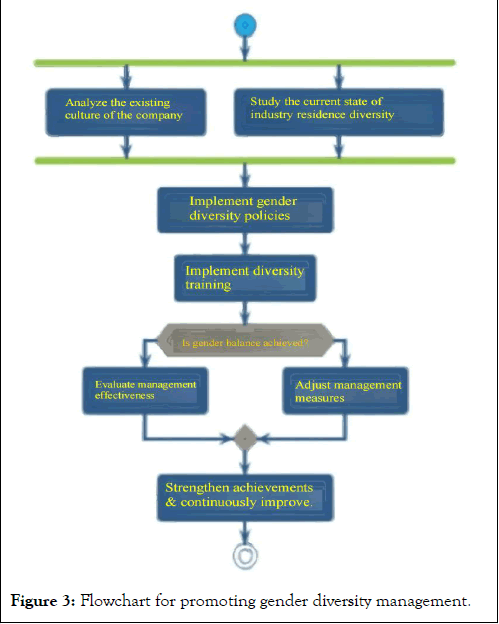
Figure 3: Flowchart for promoting gender diversity management.
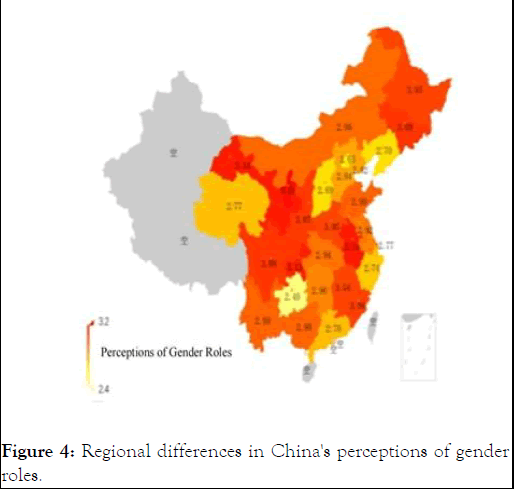
Figure 4: Regional differences in China's perceptions of gender roles.
From the gender perspective of the financial industry, the existence and role of female executives have received more and more attention. Some researches show that female directors have a significant inhibiting effect on corporate financial fraud, the proportion of female directors is negatively related to financial fraud and the proportion of female directors' shareholding is negatively related to financial fraud, which positively moderates the negative relationship between the proportion of female directors and financial fraud. This suggests that female executives have a significant role to play in enhancing corporate governance. This indicates that female executives play an important role in improving corporate governance and preventing financial risks. In addition, female executives also have a positive impact on corporate strategic decision-making. It is found that the impact of female executives' participation on the overall cognitive structure and value orientation of the executive team has been reflected in corporate performance, corporate decision-making, corporate donations and other research topics. The impact of female executive participation on the overall cognitive structure and value orientation of the executive team has been found to be reflected in such research topics as corporate performance, corporate decision-making and corporate contributions.
However, the development of women executives in the financial sector still faces many challenges. The first is gender bias and discrimination in the workplace. Although women have performed well in the financial industry, they are still underrepresented, which may be related to the deep-rooted gender bias in the industry. It is difficult for the male-dominated financial industry to fairly evaluate women as non-members. Secondly, women executives are not as well represented in the industry as they could be. Secondly, female executives face more obstacles in their career development. Research shows that fund management firms set higher barriers to recruiting and promoting women than men and that this difference is not based on a rational decision to maximize management fees, as women also manage significantly higher fund inflows than men. This difference is not based on a rational decision to maximize management fees, as women also manage significantly higher fund inflows than men. Finally, female executives also face the dilemma of balancing work and family, which may limit their further career development.
In order to give full play to the positive role of women executives in financial governance, it is necessary to take measures from various aspects. At the educational level, gender equality awareness should be strengthened to create conditions for more outstanding women to enter the financial field. Policymakers should improve relevant laws and regulations to create a fair workplace environment for female executives. Financial institutions should focus on building an inclusive and diversified corporate culture and provide equal development opportunities for employees of different genders. Only by eliminating gender bias and breaking down the barriers to career development can female executives play a greater role in financial governance and contribute to the healthy development of the financial industry.
[Crossref] [Google Scholar] [PubMed]
Citation: Huang Y (2025) The Role and Challenges of Chinese Female Executives in Financial Governance from a Gender Perspective. Math Eter. 15:261.
Received: 21-Nov-2024, Manuscript No. ME-24-35310; Editor assigned: 26-Nov-2024, Pre QC No. ME-24-35310 (PQ); Reviewed: 10-Dec-2024, QC No. ME-24-35310; Revised: 12-Sep-2025, Manuscript No. ME-24-35310 (R); Published: 19-Sep-2025 , DOI: 10.35248/1314-3344.25.15.261
Copyright: © 2025 Huang Y. This is an open-access article distributed under the terms of the Creative Commons Attribution License, which permits unrestricted use, distribution, and reproduction in any medium, provided the original author and source are credited.