
Clinical Pediatrics: Open Access
Open Access
ISSN: 2572-0775
ISSN: 2572-0775
Research Article - (2026)Volume 11, Issue 1
Introduction: Childhood diabetes is a public health problem. Psychosocial care for parents would improve the quality of life of children and their families. The aim of this study was to describe the psychosocial profile of parents of children living with diabetes at the N'Djamena Mother and Child University Hospital.
Materials and method: Cross-sectional, descriptive and analytical study, conducted over 6 months from June to December 2024. Included were the parents of diabetic children followed at the University Hospital of the Mother and Child (CHU-ME). The variables studied were epidemiological characteristics. Psychometric scales used included the perceived stress scale, Hamilton anxiety rating scale, and depression questionnaire. Excel and SPSS25 software were used for data entry and analysis.
Results: The study involved 79 parents; 54.4% were over 40 years old, 47 men versus 32 women (sex ratio M/F was 1.4), 61.5% had secondary-level education, and 61% were of low socioeconomic status. Diabetes had been diagnosed for more than 12 months in 54.4% of children living with diabetes, and 41.7% of children were aged 10 to 18 years. Parents suffered depression (89.9% sadness, 95% discouragement, 58% loneliness), 60% anxiety, 64.1% stress, and 40.5% reported a negative impact on their professional activities.
Conclusion: Childhood diabetes has a significant negative impact on parents' psychological well-being and professional performance. This is the first study to document the psychosocial profile of parents of diabetic children in Chad.
Diabetes mellitus type 1; Parents; Psychological; Chad
Childhood diabetes is a public health problem. The most common form is type 1 diabetes, which accounts for 90% of childhood diabetes mellitus and is the third most common chronic disease of childhood [1]. According to the International Diabetes Federation, 1.5 million children and adolescents under the age of 20 are affected by diabetes [2].
The limited epidemiological data available estimate the incidence of Type 1 Diabetes (T1D) in Africa at between 1.5 per 100,000 and 10.3 per 100,000 [3]. The chronic nature of the disease and the constraints associated with its management carry a high risk of developing psychological disorders (10 to 20%) or eating disorders (8 to 30%), leading to non-commitment to treatment and deterioration of quality of life [4].
In the management of childhood diabetes, parents play an essential role, ranging from blood glucose monitoring to insulin administration and dietary management. This responsibility may lead to high levels of stress, depression, anxiety, and even psychosomatic problems. As such, psychosocial support for these parents would improve the quality of life of children and their families.
In Congo-Brazzaville, a 2020 study on the psychosocial experience of parents of diabetic children found that 58.3% suffered from definite anxiety, 22.3% presented doubtful anxiety symptoms, and 19.4% had no anxiety symptoms [5]. In Morocco, a recent 2023 study on the psychological impact on parents of diabetic children found that 75.5% were depressed, 78.2% suffered from anxiety, and 64.5% had moderate to high perceived stress. This psychological distress was influenced by family relationship, profession, socioeconomic level, and parental involvement in care [6].
In Chad, there are 5 centres for follow-up of childhood diabetes. To date, 397 children living with diabetes are registered. Pediatric diabetes in Chad benefits from the support of life for a child for insulin donations and blood glucose monitoring materials. There is no well-organized psychological consultation for parents of children with chronic diseases. No data exists on the psychosocial impact on parents of these children to date. However, we believe that psychosocial disorders in parents hinder the quality of life of children living with diabetes.
It is in this context that we undertook this study, which aims to describe the psychosocial profile of parents of children living with diabetes at the CHU-ME.
This was a descriptive cross-sectional study conducted among parents of children living with diabetes followed at the pediatric endocrinology unit of the University Hospital of the Mother and Child (CHU-ME) in N'Djamena, over a 6-month period from June 2024 to December 2024.
Included were children aged 1 to 18 years with diabetes diagnosed for more than 3 months, whose parents consented to participate in the study. Parents with a history of psychiatric disorders were excluded.
Study variables
Socio-demographic variables included: Age, sex, socioeconomic status, and level of education. Psychological evaluation was performed using psychometric scales:
Perceived Stress Scale (PSS): A widely used psychometric tool to measure stress perception in daily life, developed by Sheldon Cohen in 1983. It assesses the extent to which a person perceives situations in their life as stressful, unpredictable, and uncontrollable over the past month [7].
Score interpretation (total score: 0-40):
• 0-13: Low stress
• 14-26: Moderate stress
• 27-40: High stress
Hamilton Anxiety Rating Scale (HARS): One of the first scales to assess the severity of perceived anxiety symptoms, still widely used today and translated into several languages including French, Spanish, and Cantonese [8].
Score interpretation:
• Score>17: Mild anxiety
• Score 25-30: Moderate to severe anxiety
Survey conduct
The survey was conducted during patient follow-up consultations. Data were collected by completing a form covering socio-demographic aspects followed by psychological assessment scales.
Data collection and analysis
Statistical software (SPSS 25) and Microsoft Office Word 2013 were used for data entry. Results were expressed as frequencies, means, and standard deviations for quantitative variables, and as percentages for qualitative variables.
Sample size
No prior data were available on the psychosocial profile of parents of diabetic children in Chad to perform a formal a priori sample size calculation. The sample therefore corresponds to an exhaustive consecutive recruitment of all eligible parents attending the pediatric endocrinology unit of CHU-ME during the six-month study period (June to December 2024), yielding a total of 79 participants. This exhaustive approach is consistent with the descriptive and exploratory nature of the study, which aims to generate baseline data in a context where none previously existed.
Ethical considerations
The study was conducted after obtaining authorization from the CHU-ME management and the verbal consent of accompanying parents.
Socio-demographic data of accompanying parents
A total of 79 parents agreed to participate. The age group of parents over 40 years was the most represented (43/79, 54.4%), followed by the 30 to 40 year age group (24/79, 30.4%).
Male parents were predominant (47/79, 59.0%) compared to female parents (32/79, 41.0%), with a M/F sex ratio of 1.4.
More than half of the parents had a low socioeconomic level (48/79, 61%), followed by a moderate level at 24/79 (30%), and 7/79 (9%) had a high socioeconomic level (Table 1).
| Number (n) | Percentage | |
| Sex | ||
| Male | 47 | 59 |
| Female | 32 | 41 |
| Age of parents | ||
| 18 to 30 | 12 | 15,2 |
| 30 to 40 years | 24 | 30,7 |
| Over 40 years | 43 | 53,8 |
| Situation matrimoniale | ||
| Married | 65 | 82,3 |
| Divorced | 12 | 15,2 |
| Widower | 2 | 2,5 |
| Parents' grade level | ||
| Not in school | 8 | 10 |
| Secondary | 49 | 61,5 |
| Academic | 22 | 28,5 |
| Socio-economic level | ||
| Low level | 48 | 61 |
| Medium level | 24 | 30 |
| High level | 7 | 9 |
Table 1: Distribution of accompanying parents according to data.
Data on children living with diabetes
The age group of children aged 10 to 18 years was predominant (33/79, 41.7%), followed by the 6 to 10 year age group (27/79, 34.2%), and children under 6 years (19/79, 24.1%). The median age was 8 years ± 3.58 years. The duration of living with diabetes for more than 12 months was 43/79 (54.4%), followed by 6 to 12 months 20/79 (25.6%), and 3 to 6 months 16/79 (20%) (Table 2).
|
|
Effective |
Percentage |
|
Sex |
||
|
Male |
36 |
45.5 |
|
Female |
43 |
54.5 |
|
Gender ratio |
1.4 |
|
|
Age range |
||
|
Less than 6 years |
19 |
24.1 |
|
6 to 10 years |
27 |
34.2 |
|
11 to 18 years old |
33 |
41.7 |
|
Median age |
8 years ± 3.58 years |
|
|
Lifespan with diabetes |
||
|
3 to 6 months |
16 |
20 |
|
6 to 12 months |
20 |
25.6 |
|
More than 12 months |
43 |
54.4 |
Table 2: Distribution of data for children.
Psychological assessment data of parents
Parents experienced depression with the following manifestations: Sadness in 71/79 (89.9%), discouragement in 75/79 (95%), and loneliness in 46/79 (58%) of cases (Figure 1).
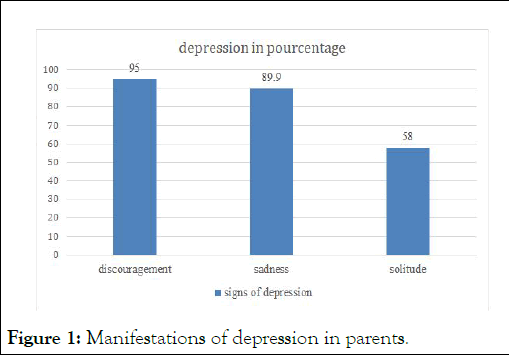
Figure 1: Manifestations of depression in parents.
The majority of parents (45/79, 60%) experienced anxiety. More than half of parents (51.3%) felt some control over their lives. Approximately 77% of parents reported being sometimes or often upset by unexpected events (acute complications). Stress was present in 51/79 (64.1%) of parents, who reported feeling frequently stressed.
The majority of parents (57/79, 72%) received family or social support, and 100% of parents benefited from professional support through free care (insulin donation, blood glucose meter).
The impact of diabetes on the professional activities of parents was noted in 32/79 (40.5%). The vast majority of parents (67/79, 84.8%) reported that diabetes affects their relationships with their other children in the family (Figure 2).
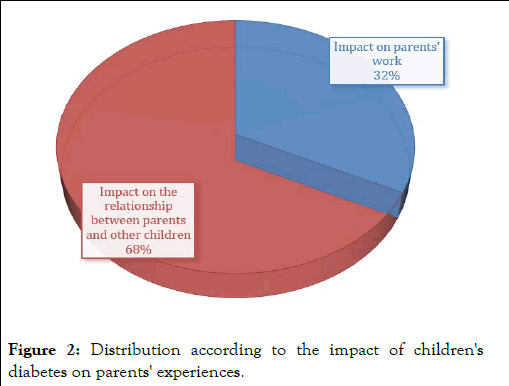
Figure 2: Distribution according to the impact of children's diabetes on parents' experiences.
| Depression | |||||||||
| Sadness | Discouragement | Feeling lonely | |||||||
| No | Yes | P | No | Yes | P | No | Yes | P | |
| Sex of parent | |||||||||
| Male | 3 | 29 | 1 | 22 | 11 | 12 | 1,072 | ||
| Female | 1 | 15 | 0,023 | 1 | 15 | 0,000 | 5 | 11 | |
| Bond with the child | |||||||||
| Father | 2 | 15 | 1 | 16 | 0,082 | 7 | 10 | 0,413 | |
| Mother | 1 | 12 | 1 | 11 | 2 | 10 | |||
| Tutor | 1 | 9 | 0,041 | 0 | 10 | 7 | 3 | ||
| Grade level | |||||||||
| Not in school | 1 | 3 | 1,057 | 1 | 3 | 4,899 | 1 | 3 | |
| Secondary | 1 | 10 | 1 | 10 | 4 | 7 | 0,753 | ||
| University | 2 | 22 | 0 | 24 | 11 | 13 | |||
Table 3: Distribution by factors associated with depression.
In our study, the mean age of accompanying parents was 39 years. The relatively young age of Chadian parents in our study reflects a demographic reality specific to the Sahel: Early fertility and pregnancies at a young age mechanically lead to younger parents. Young parents may be particularly psychologically vulnerable when faced with a chronic disease diagnosis in their child, as they generally have fewer financial resources, life experiences, and coping mechanisms.
Male campaigners were predominant in our study (59%). Our results are close to those of Hachim A et al. in Morocco in 2023 [9], who found a male predominance (fathers at 79.1%). In the Chadian context, this male predominance is explained by deep cultural and social norms: In Chad, as in many sub-Saharan African countries with strong patriarchal traditions, it is often the father or family head who accompanies the child to hospital facilities, as the official representative of the family. However, daily home care, including insulin administration and blood glucose monitoring, is predominantly provided by mothers [10,11].
In our series, 61.5% of parents had secondary-level education, 28.5% a university level, and 10% had no formal education. Our results are close to those of Mbamognoua N et al. in Congo in 2022 [12] (Secondary: 69%, university: 13.6%, non-schooled: 1.9%). The relatively high proportion of parents with secondary or higher education in our study is likely explained by a hospital recruitment bias: The CHU-ME of N'Djamena, as a national reference centre, attracts families residing in urban areas, who are better educated and have better access to healthcare. This does not reflect the situation of the many Chadian families in rural areas where childhood diabetes is still frequently diagnosed late, often at a stage of severe diabetic ketoacidosis.
More than 60% of parents had a low socioeconomic level. This is fundamental in the Chadian context. Chad is among the world's poorest countries, ranked 190th out of 193 countries according to the UNDP Human Development Index. A 2024 study conducted in Sudan [13] on the socioeconomic profile of families of diabetic children confirmed that a low socioeconomic level was associated with glycemic imbalance. In our study, the support of the life for a Child program for free insulin and monitoring material partially mitigates this financial constraint, but does not resolve the difficulties linked to indirect costs and psychological burden.
In our study, depressive manifestations were very frequent among parents: Sadness (89.9%), discouragement (95%), and feelings of loneliness (58%). These figures reflect profound psychological distress, greater than that observed in most African and international series. Mbamognoua et al. in Congo in 2022 [12] found depression in 61.2% of parents. According to the study by Ryan CM et al. in 2024 [14], the prevalence of depression ranged from 33 to 74% depending on the assessment tools used. In the African community, a chronic illness in a child is believed as a curse or the consequence of a moral fault, exposing parents to additional social stigmatization, which aggravates family isolation and hinders the recourse to psychosocial support.
Anxiety was present in 60% of parents in our study. Although this prevalence is lower than that reported by Hachim A et al. in Morocco in 2023 (78.2%) [9], it remains very significant. Parental anxiety in the context of childhood diabetes is closely linked to the fear of acute complications, particularly severe hypoglycaemia and diabetic ketoacidosis [10,11]. In our context, this anxiety is potentiated by several specific factors: The geographical distance from the reference centre for many families, and frequent supply shortages of blood glucose monitoring equipment. In our context, the absence of an organized psychological consultation at the CHU-ME and the absence of telephone helplines exacerbate the feeling of loneliness and helplessness among parents.
Perceived stress was found in 64.1% of parents in our series, compared to 16.56% in the Moroccan series of Hachim A et al. in 2023 [9]. This considerable difference is explained by the conjunction of several aggravating factors specific to the Chadian context: Widespread economic precariousness, absence of social security, food insecurity, fragility of the health system, and the absence of psychosocial support.
According to McCubbin et al. [15], the very fact of belonging to a family and caring for it makes one emotionally vulnerable. In our context, this process is amplified by the extended family structure: Managing a diabetic child often mobilizes the entire extended family, where each member imposes themselves on the choice of type of care, creating social pressure.
In our study, 40.5% of parents reported that their child's diabetes had a negative impact on their professional activities, and 84.8% stated that the disease affected their relationships with their other children in the family. These data are particularly significant in the Chadian context where the majority of the working population is employed in the informal sector, without social coverage or sick leave. A qualitative review published in Heliyon in 2024 [10] reports that parents of children with type 1 diabetes suffer from progressive social and professional isolation: Intensive disease management reduces their availability for leisure activities, spontaneous social interactions, and professional engagement. The absence of therapeutic education structures for relatives and the absence of associations of parents of diabetic children deprive families of essential social resources. The impact on relationships with the other children in the family deserves particular attention. In a context where Chadian families have an average of four or more children, the concentration of resources and parental attention on the sick child can generate relational imbalances and feelings of jealousy among the other children.
In our study, 72% of parents benefited from family or social support, and 100% from professional support through free care (insulin donation and blood glucose meter) provided by the life for a Child program. This program, which supports more than 60,000 young diabetics in resource-limited countries and aims to reach 150,000 by 2030, is an essential pillar of pediatric diabetes management in Chad [16]. Without this support, access to insulin would be impossible for the vast majority of Chadian families.
Recent scientific literature highlights that psychological interventions targeting families of children with type 1 diabetes improve the well-being of caregivers and health outcomes of children. A meta-analysis published in the Journal of Diabetes in 2025 confirms that psychological interventions for families of children with type 1 diabetes reduce disease-related family conflicts in the short and long term [17]. These data underline the urgency of developing psychological support programs adapted to the Chadian context.
Several limitations of this study must be acknowledged. First, the sample size (79 parents) is relatively modest, which limits the statistical power of analytical comparisons and the generalizability of findings. However, it represents an exhaustive consecutive recruitment over the study period, consistent with the exploratory and descriptive objectives of this first study in Chad.
Second, the study was conducted exclusively at the CHU-ME of N’Djamena, the national reference centre for childhood diabetes. This introduces a hospital recruitment bias: Families attending this facility tend to be more urban, better educated, and to have better access to healthcare than the broader Chadian population. The results therefore cannot be extrapolated to rural families, where childhood diabetes is frequently diagnosed late and access to specialized care remains very limited.
Third, the cross-sectional design of the study does not allow for any causal inferences between the socio-demographic variables and the observed psychosocial disorders. A longitudinal followup would be necessary to assess the evolution of parental psychological distress over time and its impact on the glycaemic balance of children.
Fourth, the absence of a control group (parents of children with other chronic diseases or parents of healthy children) limits the interpretation of the specific impact of childhood diabetes on parental well-being. Future studies should consider a comparative design.
Fifth, the psychological assessment was based on self-reported psychometric scales (PSS, HARS, depression questionnaire), which are subject to declarative bias and social desirability bias.
In the Chadian cultural context, where psychological distress may be underreported due to social stigma, the true prevalence of psychological disorders may have been underestimated.
Finally, parental consent was obtained verbally rather than in written form, due to the literacy constraints of a significant proportion of the population and the standard practice of the institution. This approach, validated by the CHU-ME management, is consistent with local ethical norms, but represents a limitation with respect to international standards for research ethics.
Our study is, to our knowledge, the first to document the psychosocial profile of parents of diabetic children in Chad. It highlights a particularly severe psychological distress, greater than that observed in comparable contexts in Africa, which is explained by several factors specific to Chad: Precariousness and the absence of universal health coverage, which places the full indirect cost of care on families; the total absence of organized psychological consultations for parents of children with chronic diseases within the CHU-ME and other Chadian health structures; and the cultural dimension of chronic illness in Chadian society, which is a source of additional stigmatization for families.
[Crossref] [Google Scholar] [PubMed]
[Crossref] [Google Scholar] [PubMed]
[Crossref] [Google Scholar] [PubMed]
[Google Scholar] [PubMed]
[Google Scholar] [PubMed]
[Crossref] [Google Scholar] [PubMed]
[Crossref] [Google Scholar] [PubMed]
[Crossref] [Google Scholar] [PubMed]
[Google Scholar] [PubMed]
[Crossref] [Google Scholar] [PubMed]
[Crossref] [Google Scholar] [PubMed]
Citation: Dadjia D, Youssouf DH, Josephine T, Kadallah IO, Adrienne N, Djoui D, et al. (2026) Psychosocial Profile of Parents of Children Living with Diabetes at the University Hospital of the Mother and Child of N'Djamena. Clin Pediatr. 11:312.
Received: 07-May-2026, Manuscript No. CPOA-26-41716; Editor assigned: 11-May-2026, Pre QC No. CPOA-26-41716 (PQ); Reviewed: 25-May-2026, QC No. CPOA-26-41716; Revised: 19-Jun-2026, Manuscript No. CPOA-26-41716 (R); Published: 26-Jun-2026 , DOI: 10.35248/2572-0775.26.11.312
Copyright: © 2026 Dadjia D, et al. This is an open-access article distributed under the terms of the Creative Commons Attribution License, which permits unrestricted use, distribution, and reproduction in any medium, provided the original author and source are credited.