
Anesthesia & Clinical Research
Open Access
ISSN: 2155-6148
ISSN: 2155-6148
Research Article - (2025)Volume 16, Issue 3
Introduction: Suxamethonium is an ultra-short-acting depolarizing muscle relaxant used for providing ideal intubating conditions during anesthesia. Despite having many advantages, suxamethonium commonly produces a number of undesirable effects. The majority of suxamethonium induced adverse effects are due to fasciculation of skeletal muscles during its administration. The aim of this review was to develop evidence based protocol for the prevention of suxamethonium induced muscle fasciculation and postoperative muscle pain.
Methods: After formulating the key questions and eligibility criteria for the articles to be included, advanced search strategy of electronic sources was conducted. Screening of literatures was conducted with proper appraisal checklist. This review was reported in accordance with Preferred Reporting Items for Systematic Reviews and Meta-Analyses (PRISMA) 2009 statement. A total of 43 articles (three meta-analyses, two systematic reviews, thirty-seven RCTs and one cohort study) were included and reviewed.
Conclusion: The use of suxamethonium to facilitate tracheal intubation is followed by fasciculation and troublesome myalgia. The incidence of fasciculation and myalgia is higher in patients who undergo minor surgery, patients which ambulate early, outpatient surgeries, surgeries in lithotomy position, patients who are taking statin and using suxamethonium dose less than 1.5 mg/kg. Non-pharmacologically, slow repeated prolonged stretch exercise before induction of anesthesia and pharmacologically, pretreatment with a small dose of non-depolarizing muscle relaxants, pretreatment with lidocaine, diazepam, diclofenac, magnesium sulfate can reduce the incidence and severity of fasciculation and myalgia. In addition, using propofol as an induction agent and using suxamethonium at higher dose (>1.5 mg/kg) can reduce the incidence and severity of fasciculation and myalgia.
Suxamethonium; Fasciculation; Myalgia; Muscle pain; Prevention
H-LA: Histamine Like Activity; LTC4-LA: Leukotriene C4 Like Activity; IM: Intramuscular; IV: Intravenous; Min: Minute; NDMR: Non-Depolarizing Muscle Relaxants; OSA: Obstructive Sleep Apnea; PGE2-LA: Prostaglandin E2 Like Activity; RCT: Randomized Control Trial; RSI: Rapid Sequence Induction
Suxamethonium is an ultra-short-acting depolarizing muscle relaxant used for providing ideal intubating conditions for short surgical procedures, anticipated difficult airways and Rapid Sequence Induction (RSI). It is considered by many physicians to be the best drug due to its fast onset of action and ultra-short duration of action. Despite its many advantages, suxamethonium commonly produces several undesirable effects like muscle fasciculations, postoperative myalgia, acute rhabdomyolysis, transient increase in intraocular pressure and arrhythmias [1].
The majority of suxamethonium-induced adverse effects are due to fasciculation of skeletal muscles during its administration. Suxamethonium-induced fasciculations are thought to occur due to a prejunctional nicotinic receptors depolarizing action of suxamethonium, resulting in repetitive firing of the motor nerve terminals and antidromic discharges. Suxamethonium-induced fasciculation involves intense, unsynchronized contraction by muscle bundles with no possibility of shortening which leads to muscle fiber rupture or damage, thus causing pain.
Even though suxamethonium-induced post-operative myalgia is multifactorial and the exact mechanism is unknown, many theories suggest that it results from muscle damage produced by shearing force. The release of lactic acid and potassium from the muscle cells due to fasciculation after suxamethonium injection contributes to suxamethonium-induced muscle pain. Other studies suggest that calcium-induced phospholipid degradation due to excessive repetitive contractile activity of muscle can lead to calcium influx into muscles and activation of phospholipase A2 leading to muscle damage and pain after administration of suxamethonium [2].
In addition, recent studies also stated that the release of inflammatory mediators due to inflammation produced by intense muscle fasciculation during suxamethonium administration may result in suxamethonium-induced myalgia.
Globally the reported incidence of suxamethonium-induced myalgia is higher and ranges from 5 to 89%. In our country Ethiopia, the incidence of suxamethonium-induced postoperative myalgia is high and is around 46%. The duration of the discomfort is highly variable. It usually lasts for 2 or 3 days but occasionally persists for as long as a week [3].
Because of these adverse effects, nowadays the use of suxamethonium for routine induction of anesthesia intubation in routine cases is no longer recommended. However, because of the unavailability of rocuronium, in our clinical practice, we always use suxamethonium as an induction muscle relaxant for procedures that need intubation during routine induction and RSI. In our clinical observation many patients fasciculate intraoperatively during the administration of suxamethonium and complain of post-operative muscle pain after recovery. Therefore, preparing local evidence-based protocol is important to prevent suxamethonium-induced muscle fasciculation, reduce postoperative muscle pain and improve patient outcomes.
After formulating the key questions and eligibility criteria for the evidence to be included, a comprehensive search strategy of electronic sources was conducted. Terms ‘suxamethonium’, ‘fasciculation’, ‘prevention’ and ‘myalgia’ were keywords of the review question. Synonyms of the keywords were identified from the national library of Medicine via Medical Subject Headings (MeSH) browser. Boolean operators like “AND” and “OR” were applied to perform a comprehensive search and avoid missing literature. The literature was searched from Cochrane Library, PUBMED, Scopus, and Google Scholar. Different evidences are searched by using the key term ‘succinylcholine OR suxamethonium AND fasciculation’, ‘succinylcholine OR suxamethonium AND myalgia’, ‘suxamethonium induced myalgia AND risk factor’, ‘suxamethonium induced myalgia AND prevention OR management’ on search engines. For this review, only human studies published in English language on preventive strategies of suxamethonium-induced fasciculation and myalgia were considered. Duplication of literature was removed by using Endnote. Further screening of literature was conducted based on the level of significance by proper appraisal of the title, abstract and full text of the articles. A total of 43 articles (three meta-analyses, two systematic reviews, thirty-seven RCTs, and one cohort study) were included and reviewed. The strength of evidence and grade of recommendation was made based on WHO 2011 level of evidence (Table 1) [4].
| Level | Type of evidence | Degree of recommendation |
| 1a | Meta-analysis, evidence based guideline, systematic reviews of RCTs | Strongly recommended/directly applicable |
| 1b | Systematic review of one RCT | Highly recommended/directly applicable |
| 1c | Randomized clinical trials/RCTs | Recommended/applicable |
| 2a | Systematic reviews of case control or cohort studies | Extrapolated evidence from other studies |
| 3a | Non analytical studies like case reports, case series, clinical audits, commentaries and expert opinions | Extrapolated evidences from other studies |
Table 1: Level of evidence and degree of recommendation, Good clinical practice, GCP, WHO, 2011.
This review was reported in accordance with the Preferred Reporting Items for Systematic Reviews and Meta-Analyses (PRISMA) 2020 criteria (Figure 1).
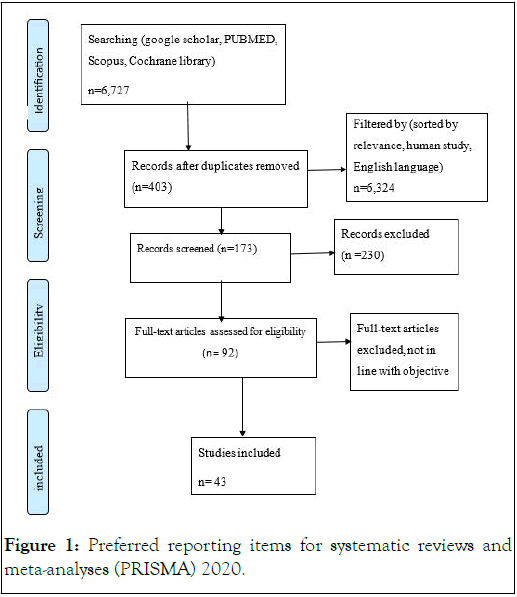
Figure 1: Preferred reporting items for systematic reviews and meta-analyses (PRISMA) 2020.
This systematic review provides an evidence-based working protocol for the prevention of suxamethonium-induced fasciculation and myalgia in a resource-limited setting. This protocol guides healthcare providers to apply different preventive strategies for suxamethonium-induced fasciculation and myalgia during the use of suxamethonium in the perioperative period as a muscle relaxant [5].
Risk stratification
A review of the article conducted in Canada on succinylcholineassociated postoperative myalgia stated that the incidence of postoperative suxamethonium-induced myalgia was higher in females than males, non-pregnant women of childbearing age, adult age, patients with low muscular fitness, patients who undergo minor surgery and patients who ambulate early. It stated that post-operative suxamethonium-induced myalgia is less frequent in children, in patients aged over 50-60 years, and in patients with greater muscular fitness.
A randomized control trial done by Churchill Davidson on factors associated with the severity of post-operative suxamethonium-induced myalgia stated that, outpatient procedures and minor procedures associated with severe muscle pain and stiffness postoperatively [6].
A study done by Crawford JS on the association between suxamethonium-induced muscle pain and pregnancy revealed that non-pregnant women were at higher (more than double) risk for having postoperative muscle pain in comparison to pregnant patients. In addition, this study stated that surgical procedures under lithotomy position increase the incidence of suxamethonium-induced myalgia [7].
A review done by Sukhminder and Bajwa on the effect of statins on succinylcholine-induced myalgia stated that patients on statin treatment had a higher incidence of post-operative suxamethonium-induced myalgia. This is due to bio-chemical trauma to muscles and subsequent release of lytic enzymes, depletion of essential protective lipid components of muscle membrane and due to decreased synthesis of ubiquinone leading to muscle cell mitochondrial dysfunction, induced apoptosis and possible interference in ionic conductance across cellular membranes.
A meta-analysis of randomized trials on the prevention of succinylcholine-induced fasciculation and myalgia showed that using 1 mg/kg suxamethonium had a higher incidence of fasciculation and muscle pain compared to using 1.5 mg/kg suxamethonium with incidence of fasciculation were 98.3% and 92% and incidence of myalgia at 24 hr were 62.8% and 44.6% respectively.
Prevention of suxamethonium-induced fasciculation and myalgia
Suxamethonium-induced fasciculation is attributable to the prejunctional depolarizing action of suxamethonium that leads to a repetitive firing of motor nerve terminals which leads to uncoordinated muscle contraction. Suxamethonium-induced myalgia is associated with fasciculation. So, prevention of suxamethonium-induced fasciculation can reduce the incidence and severity of postoperative suxamethonium-induced myalgia. Various methods are used for decreasing the incidence of fasciculation and postoperative myalgia [8].
Non-pharmacologic prevention strategy: A review done by S.F. Wong and F. Chung on suxamethonium-associated postoperative myalgia stated that exercise before administration of suxamethonium results in desensitization of stretch receptors in muscles and reduces the rate of gamma efferent discharge from the muscle spindles altering the action of suxamethonium thus can decrease the incidence of suxamethonium induced fasciculation and severity of postoperative myalgia.
In addition, a study done by D.A. Magee and R.J.S. Robinson on the effect of stretch exercises on suxamethonium-induced fasciculations and myalgia revealed that slow, prolonged and repetitive stretching exercise of the muscles of the neck, shoulder, girdle, chest and abdomen for 15 min and 1 hr before induction of anesthesia may decrease the incidence of suxamethonium induced fasciculation, the severity of postoperative myalgia through decreasing muscle tone, increase the threshold of motor units and cause stretch of fibrous tissue unresponsive which will prevent the development of shearing forces sufficient to damage the connective tissue elements.
Pharmacologic prevention strategies
Non-depolarizing muscle relaxants: A review which is done by S.F. Wong and F. Chung on suxamethonium-associated postoperative myalgia stated that administration of a small dose of 0.01 mg/kg pancuronium and 0.01 mg/kg of vecuronium with 3 min pretreatment interval before suxamethonium were an effective method to prevent fasciculation and minimize the incidence and severity of postoperative myalgia. Nondepolarizing Muscle Relaxants (NDMR) presumably block prejunctional nicotinic receptors and thus prevent fasciculations, producing a decrease in postoperative myalgia. However, this technique is not without its problems. It needs subsequent larger doses of suxamethonium than the normal required dose. Difficulties with tracheal intubation and prolonged muscle relaxation may be encountered and it is hazardous during RSI [9].
Moreover, a meta-analysis done by Nathan L. Pace on the prevention of suxamethonium-induced myalgia showed that administration of a defasciculating dose of pancuronium has equal efficacy to that of d-tubocurarine in preventing fasciculation and myalgia.
Another meta-analysis study showed that 4 µg/kg, 7 µg/kg and 10 µ/kg of pancuronium pretreatment can be used for effective prevention of fasciculation and myalgia. There is a relationship on dose–responsiveness for neuromuscular blocking agents, however, there was consistent dose-responsiveness for side effects blurred vision, diplopia, heavy eyelids, muscle weakness and difficulty of swallowing.
A RCT done by Rene Martin et al. to assess the effect of nondepolarizing muscle relaxant on suxamethonium-induced fasciculation and myalgia stated that pretreatments 0.06 mg/kg of rocuronium was effective in preventing suxamethonium induced fasciculation. On the other hand, administration of 0.05 mg/kg vecuronium and other non-depolarizing relaxants 4 min before suxamethonium administration was ineffective in the prevention of fasciculation and post-operative myalgia.
A RCT done by Alfred C, et al. on waiting time after NDMR stated that waiting time for no NDMR were 6.36 and 5.35 minutes for pancuronium and vecuronium. In addition to this, the study stated that the pretreatment dose should be as small as possible (pancuronium 0.5 mg, vecuronium 0.5) to decrease the side effects of sub paralyzing dose of NDMR. It also stated that pretreatment with NDMR may delay the onset and decrease the intensity of suxamethonium-induced neuromuscular block and should not be used for patients with abnormal airway, anticipated difficult airway and known hypersensitivity.
Pretreatment with diazepam: A meta-analysis done by Nathan L. Pace on the prevention of succinylcholine myalgias showed that pretreatment with diazepam has similar efficacy to that of dtubocurarine in reducing suxamethonium-induced fasciculation and myalgia.
In addition, a study done by Maryellen Eisenberg, et al. stated that administration of 0.05 mg/kg of diazepam 4 to 5 minutes before administering 1 mg/kg of suxamethonium can reduce the incidence of muscle fasciculation and postoperative muscle pain without affecting the magnitude or duration of the succinylcholine neuromuscular block.
A study conducted by Mansour Hassani and Mohammad Ali Sahraian on the effect of lidocaine or diazepam on suxamethonium-induced fasciculation stated that administration of 1 mg/kg diazepam six minutes before intubation can properly decrease fasciculation induced by suxamethonium during induction of anesthesia with the same efficacy as lidocaine.
Another RCT done by Andrew O and Davies revealed that administration of 10 mg oral diazepam 90 min before induction of anesthesia can significantly lower the incidence of postoperative myalgias but it cannot reduce the extent of fasciculations after succinylcholine.
In contrast to this, a study done by Manchikanti L on the effect of pretreatment of 0.05 mg/kg or 0.1 mg/kg of diazepam either 4-5 min or 8-10 min prior to suxamethonium administration revealed that diazepam pretreatment was ineffective for the prevention of fasciculations and myalgia.
A study done by W.N. Chestnutt, et al. stated that pretreatment with diazepam 0.15 mg/kg or midazolam 0.1 mg/kg 2 minutes before induction in patients undergoing standard minor operations with early postoperative mobility, does not significantly reduce the incidence of postoperative muscle pains following suxamethonium. Neither diazepam nor midazolam influence the incidence or severity of fasciculations seen with suxamethonium or the duration of neuromuscular block.
Pre-treatment with aspirin: A RCT study done by C. McLougidin to assess the effect of pre-operative administration of oral aspirin prophylaxis on suxamethonium-induced myalgia showed that administration of aspirin 600 mg orally one hour before induction has a significant role in the reduction of the incidence of subsequent suxamethonium-induced myalgia and the improvement was similar to that achieved with tubocurarine pretreatment. In addition, this study stated that pre-operative oral administration of aspirin effectively reduces muscle pain and avoids many of the complications associated with pretreatment with non-depolarizing agents. While using aspirin as a pretreatment agent, patients with anticoagulant therapy, history of peptic ulceration and known sensitivity to aspirin and its derivatives should be excluded preoperatively.
Pre-treatment with calcium gluconate: One of the possible mechanisms for suxamethonium-induced myalgia is due influx of calcium produced and potassium from ruptured muscles during fasciculation. It has also been demonstrated that pretreatment with calcium gluconate provides membrane stabilizing actions and it is protective against fasciculation and myalgia. A RCT study done by Shrivastava, et al. showed that pretreatment with 10 ml of 10% calcium gluconate intravenously immediately before induction of anesthesia can reduce both the increase in serum potassium and the decrease in serum calcium associated with suxamethonium and decrease the incidence and severity of postoperative myalgia. However, patients with renal failure, hypercalcemia, digitalis toxicity active cardiac conditions and cardiac arrhythmias should be identified preoperatively and calcium gluconate should not be administered to these patients.
Pre-treatment with magnesium sulphate: A meta-analysis of RCTs on the prevention of suxamethonium-induced fasciculation and myalgia showed that pretreatment with magnesium is effective in reducing the incidence and severity of fasciculation.
In addition, a study done by Najeeb, et al. revealed that the administration of 40 mg/kg magnesium sulphate in 10 ml of isotonic 0.9% saline slowly over ten minutes before the induction of anesthesia can significantly reduce the incidence and severity of fasciculation and postoperative myalgia. In addition, the study stated that; patients with muscular disease, hypocalcemia, hypoparathyroidism, hypotension and known allergy to magnesium sulphate should be excluded and magnesium sulphate should not be given as pretreatment.
A RCT study done by Nandyal, et al. on the effect of low-dose magnesium sulphate on the prevention of suxamethoniuminduced fasciculations and postoperative myalgia stated that administration of 20 mg/kg magnesium sulphate in 100 ml normal saline infused in 5 min which started 6.5 min before induction can completely prevent suxamethonium induced muscle fasciculation and significantly reduce post-operative myalgia.
Moreover, another RCT showed that administration of 30 mg/kg magnesium sulphate over 10 min prior to induction can significantly reduce the complications of suxamethonium administration including incidence and severity of fasciculation. However, magnesium sulphate should not be administered to patients with renal failure, neuromuscular disorder, muscular dystrophy and known sensitivity to magnesium sulphate.
A study done by Ashan, Behzad, et al. on the effects of magnesium sulphate for prevention of suxamethonium-induced fasciculation stated that administration of 4 mg/kg of magnesium sulphate in 100 ml of normal saline infused in five minutes approximately 1.5 minutes before the induction of anesthesia can prevent and reduce the severity of suxamethonium induced fasciculation. In addition, the study stated that patients with muscular disease, hypoparathyroidism, hypocalcemia, hypotension and patients taking calcium channel blockers and β blockers should be excluded before administration of magnesium sulphate.
A RCT study which is conducted to assess the effect of magnesium sulphate administration in preventing suxamethonium-induced muscle pains revealed that administration of 1 g magnesium sulphate 4 min before administration of suxamethonium is effective in reducing the incidence and severity of fasciculation; but, it did not reduce the incidence of suxamethonium induced myalgia.
Using propofol as an induction agent: Propofol exhibits some antioxidant activity in vitro and has ability to form stable radicals and to inhibit the propagation of reactions involving free radicals in experimental animals and man. Propofol is a freeradical scavenger resembling vitamin E and accumulates rapidly on biomembranes potentially boosting antioxidant tissue defenses. This effect might contribute to reduction in amout of muscle damage and myalgia.
A RCT study done by Garg, Kamakshi, et al, revealed that using 2 mg/kg propofol as an induction agent and giving repeated bolus doses of 0.5 or 1 mg/kg propofol immediately after suxamethonium can significantly decreases the incidence and severity of fasciculations and postoperative myalgia by maintaining effective levels of the drug in the serum and provides better hemodynamic stability and satisfactory grade of relaxation for intubation. In addition, the study stated that propofol should not be used in patients with shock, hypotension, and known allergy to propofol.
The use of suxamethonium to facilitate tracheal intubation is followed by fasciculation and troublesome myalgia. In general, the incidence of fasciculation and postoperative myalgia is lower in pregnant mothers, children with ages less than 10 years, elders with age greater than 50-60, muscularly fit patients and adults. In contrast, the incidence of fasciculation and myalgia is higher in patients who undergo minor surgery, patients who ambulate early, outpatient surgeries, surgeries in lithotomy position and patients who are taking statin and using suxamethonium dose less than 1.5 mg/kg.
Non-pharmacologically, slow repeated prolonged stretch exercise for 15 minutes 1 hour before induction can significantly reduce the incidence and severity of suxamethonium-induced fasciculation and myalgia. Pharmacologically, pretreatment with small dose of non-depolarizing muscle relaxants prior to administration of suxamethonium, pretreatment with 1.5 mg/kg of lidocaine 3-5 minutes before induction, administration of 10 mg oral diazepam 60-90 minutes or 0.05 mg/kg-0.15 mg/kg IV diazepam 4-10 minutes before suxamethonium administration, pretreatment with 100 mg diclofenac orally 1-2 hours or 75 mg IM diclofenac 20 minutes before induction, pretreatment with 20 mg/kg-40 mg/kg magnesium sulfate 1.5-5 minutes prior to induction and administration of suxamethonium can reduce the incidence and severity of fasciculation and myalgia. In addition, using a high dose of propofol (2.5 mg/kg-3.5 mg/kg) as an induction agent and using suxamethonium at a higher dose (>1.5 mg/kg) can reduce the incidence and severity of fasciculation and myalgia.
Not applicable.
Not applicable.
Not applicable.
The authors declare that they have no competing interests.
This work did not receive any grant from funding agencies in the public, commercial, or not-for-profit sectors.
NZ developed key questions and keywords, analyzed the results of the search, prepared the first draft of the manuscript. NS, HM and HA analyzed the results of the search and revised the manuscript for important intellectual content. All authors approved the final manuscript for publication.
We would like to acknowledge University of Gondar for giving us the chance to do this review.
[Crossref] [Google Scholar] [PubMed]
[Crossref] [Google Scholar] [PubMed]
[Crossref] [Google Scholar] [PubMed]
[Google Scholar] [PubMed]
[Crossref] [Google Scholar] [PubMed]
[Crossref] [Google Scholar] [PubMed]
[Crossref] [Google Scholar] [PubMed]
[Crossref] [Google Scholar] [PubMed]
Citation: Gobezie NZ, Endalew NS, Tawuye HY, Aytolign HA (2025) Preventive Strategies of Suxamethonium-Induced Fasciculation and Myalgia: A Review of Article and Guideline. J Anesth Clin Res. 16:1177.
Received: 12-Nov-2024, Manuscript No. JACR-25-35142; Editor assigned: 15-Nov-2024, Pre QC No. JACR-25-35142 (PQ); Reviewed: 29-Nov-2024, QC No. JACR-25-35142; Revised: 15-Jul-2025, Manuscript No. JACR-25-35142 (R); Published: 22-Jul-2025 , DOI: 10.35248/2155-6148.25.16.1177
Copyright: © 2025 Gobezie NZ, et al. This is an open-access article distributed under the terms of the Creative Commons Attribution License, which permits unrestricted use, distribution, and reproduction in any medium, provided the original author and source are credited.