
Journal of Sleep Disorders & Therapy
Open Access
ISSN: 2167-0277
ISSN: 2167-0277
Research Article - (2025)Volume 14, Issue 4
Background: Sleep disturbances affect up to one-third of adults in the United States and are associated with adverse health and quality-of-life outcomes. Conventional pharmaceutical treatments are often limited by side effects and risk of dependency, prompting interest in well-tolerated, natural alternatives.
Objective: To evaluate the short-term acceptability and efficacy of SensIQ Sleep, a novel supplement containing ashwagandha, valerian root, l-theanine, and reishi mushroom, in adults with chronic insomnia symptoms.
Methods: In this open-label, proof-of-concept study, 38 participants with chronic sleep complaints were enrolled and received weight-based nightly dosing of SensIQ Sleep for 7 days. Sleep quality was assessed before and after the intervention using the PROMIS Sleep Disturbance 8a questionnaire, the Patient Global Impression of Change (PGIC), and a comparison to previously used natural sleep aids.
Results: Participants showed a statistically significant improvement in sleep quality, with PROMIS scores decreasing from a mean of 22.16 (SD=4.22) to 20.47 (SD=2.96) (p=0.027). The median PGIC score was 5.0 (“quite a bit better”), with an interquartile range of 4.0-6.0. Comparison ratings indicated SensIQ Sleep was preferred over prior natural sleep aids (median=4.0; IQR=3.0-5.0). No serious adverse events were reported.
Conclusion: A short course of SensIQ Sleep was well tolerated and associated with meaningful improvements in subjective and validated measures of sleep disturbance. These results support further investigation of this formulation in larger, placebo-controlled trials.
Poor sleep is a common complaint among American adults. It significantly affects quality of life, cognitive functioning, and long-term health. The CDC reports that approximately â adults struggle with sleep, while the National Sleep Foundation reports that up to 30% of Americans have sleep issues. The American Psychiatric Association reports that about â people struggle with sleep issues. The most common disorder is chronic insomnia. Quality sleep is critical to our overall well-being. Pharmaceuticals and over the counter drugs have inconsistent responses and are often associated with adverse effects. These can be mild, such as dry mouth and constipation or more concerning such as dependence and cognitive impairment.
Sleep-related challenges affect a significant portion of the population [1-4], and many individuals have expressed interest in non-pharmaceutical options to support relaxation and improve sleep quality. This study evaluated a novel natural sleep formulation containing nootropic and adaptogenic compounds.
Design
This was a prospective, proof of concept, dose controlled, open label study to evaluate the user acceptance of SensIQ Sleep capsules-a proprietary supplement containing ashwagandha, valerian root, l-theanine, and reishi mushroom. Weight based dosing was used, with participants taking either: two capsules if 150 lb or under or three capsules nightly if 151 pounds or over. Inclusion and exclusion criteria are as follows.
Inclusion:
Exclusion:
Methods
Potential subjects were screened using an email questionnaire or over the phone if needed for eligibility. Subjects who meet all inclusion/exclusion criteria were enrolled. Enrollees were sent a link to review the informed consent form. Once enrolled, name, age, sex, weight, address and phone number were collected, and enrollees completed PROMIS 8a Sleep Questionnaire, and study capsules were mailed out.
Participants were instructed to take the capsules one hour before bedtime, every night for one week (7 days). After taking the supplements for one week, participants were emailed another link taking them to a PROMIS 8a questionnaire again as well as the Participant’s Global Impression of Change (PGIC) and other user acceptance questions. Data about adverse events that may have occurred were also collected.
Upon completion of the study, including answering the questionnaires, all participants were mailed a bottle of SensIQ Sleep.
The data were analyzed for normality using Shapiro-Wilk tests and broken down into quartiles if they were not normally distributed. A paired t-test was used if the data were normally distributed.
A total of 40 participants went through screening, with 2 screen failures. A final study cohort consisted of 38 participants. There were 27 women screened. The average age was 53 years. There were 20 participants over 150 lbs.
Participants reported significant improvement in overall sleep quality, and strong preference for the SensIQ sleep formulation as compared to previously tried natural sleep aids. There were no serious adverse effects reported.
The result is statistically significant (p=0.027), meaning there was a significant decrease in PROMIS sleep disturbance scores after the intervention. The 95% confidence interval for the difference does not include 0, further confirming significance.
The PROMIS sleep scores improved significantly after the intervention. The difference is statistically significant (p=0.027).
Change in sleep quality (PGIC):
Median=5.0 (i.e., “quite a bit better”).
IQR=4.0 to 6.0, indicating responses mostly range from “moderately better” to “very much better”.
Comparison to other natural sleep aids:
Median=4.0, meaning the product was generally perceived as “better” than other sleep aids.
IQR=3.0 to 5.0, showing a range from “about the same” to “much better”.
Histogram of participant responses to the item, “How would you describe the change (if any) in your sleep quality?” (n=38). Responses were provided on a 7-point scale ranging from 1 (much worse) to 7 (very much better).
The distribution is skewed toward higher values, indicating that most participants perceived improvement in their sleep quality following the intervention.
The most frequently selected response was 6, with a mean of 4.95 (SD=1.676), suggesting that, on average, participants rated their sleep as moderately to quite a bit better post-treatment.

Figure 1: Self-Reported change in sleep quality.
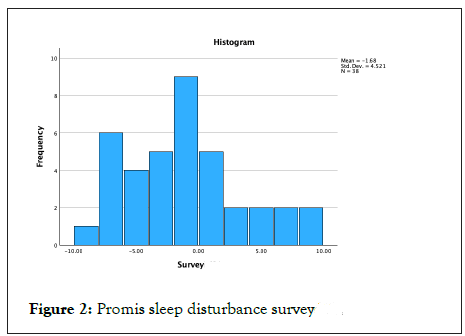
Figure 2: Promis sleep disturbance survey
| Timepoint | Mean ± SD |
|---|---|
| Pre-treatment | 22.16 ± 4.22 |
| Post-treatment | 20.47 ± 2.96 |
Note: The average PROMIS score decreased from pre to post, suggesting improvement in sleep quality (assuming higher scores = worse sleep disturbance).
Table 1: Descriptive statistics for promis sleep disturbance scores (n = 38)
| Comparison | Mean difference | 95% CI (Lower, Upper) | t | df | p-value |
|---|---|---|---|---|---|
| Surveypre-Surveypost | 1.68 | (0.20, 3.17) | 2.3 | 37 | 0.027 |
Note: Significant at p<0.05.
Table 2: Paired samples t-test results
| Item | 25th Percentile | Median (50th) | 75th Percentile | Interquartile Range (IQR) |
|---|---|---|---|---|
| Change in sleep quality | 4 | 5 | 6 | 4.0–6.0 |
| Comparison to other natural sleep aids | 3 | 4 | 5 | 3.0–5.0 |
Table 3: Percentiles for subjective ratings of sleep and product comparison
The x-axis ranges from approximately -10 to +10.
Negative values (to the left) represent improvements in sleep (lower post-scores).
Positive values (to the right) indicate worsening or no improvement.
The peak frequency occurs around -1 to -2, suggesting many participants experienced mild to moderate improvement.
The distribution is slightly left-skewed, with more values below zero.
This supports the earlier finding of a statistically significant decrease in PROMIS scores post-treatment.
Healthy sleep is a critical component of overall human wellbeing, playing an important role in maintenance across psychological and physical domains [10]. Despite its well recognized importance, many people still struggle with sleep [1-4]. While there are numerous FDA approved medications to treat sleep disturbance, many prefer a natural option [4, 11, 12].
Pharmaceutical options for sleep have expanded in recent years [12]. Some of the most common include benzodiazepine drugs like clonazepam, and non-benzodiazepine drugs such as Zolpidem [11-14]. These drug classes bind to the Gamma-Aminobutyric Acid (GABA) receptor, although at different subunits, and have been shown to reduce sleep-latency [11-14]. Adverse effects of these medication classes can include dependence, memory issues. Benzodiazepines can also cause a withdrawal syndrome and rebound insomnia. The non-benzodiazepine drugs have become notorious for hallucinations and complex sleep-related behaviors such as sleep-driving, but do not seem to have a significant withdrawal syndrome. Both classes of drugs have abuse potential [11-14].
Other common drug classes include melatonin agonists and orexin receptor antagonists, which also help to reduce sleep latency. Melatonin agonists, such as Ramelteon, seem to have modest effect and a mild side-effect profile primarily including nasopharyngitis, drowsiness, and headache [11-14]. Melatonin itself is also used as a sleep aid with similar efficacy and side effects, however, overall, data quality is poor [14].
Orexin receptor antagonists block orexin, a neuropeptide, from binding its receptor, thereby inhibiting wake promotion. It seems to have modest efficacy for sleep promotion and maintenance. The most common side effects is drowsiness, although suicidal ideation has been reported [12-14].
As noted above, many are seeking a sleep aid with robust efficacy without significant side effects, using natural compounds. The question then is whether such a sleep aid can be designed. The two major functions of any sleep aid are to promote sleep onset (i.e. reduce sleep latency), and promote sleep maintenance (i.e. prevent overnight waking), allowing for refreshing sleep.
This open-label study indicates that a rationally designed, synergistic blend of adaptogens, nootropics, and medicinal mushrooms is well received by those looking for a natural sleep aid. SensIQ Sleep is designed to meet this challenge by combining nootropics, adaptogens, and medicinal mushrooms synergistically. The five active ingredients (as stated on the SensIQ website) are magnesium, Withania somnifera root, Ganoderma lucidum, L-theanine, and Valeriana officinalis.
Magnesium has been shown to be important for sleep through various mechanisms. These include shifts in extracellular concentrations of magnesium ions, with higher levels being of extracellular magnesium being associated with sleep induction and maintenance. Increased magnesium levels have been shown to reduce cortisol levels, improving sleep. In addition, magnesium itself seems to be important in melatonin production [15-17].
Withania somnifera, commonly known as Ashwagandha, contains numerous adaptogenic compounds including withanolides. These compounds reduce cortisol levels and modulate GABAergic pathways [18]. The mechanisms have been shown to promote healthy sleep [7]. Ganoderma lucidum, often referred to as Reishi, contains triterpenes. These compounds have been shown to have affinity to GABA receptors and promote sleep [8, 19].
L-theanine is a structural analog of both glutamate and GABA, has been shown to promote relaxation with documented effects on alpha waves. Alpha waves are the brain waves of an awake-relaxed state [20, 21]. Although often utilized for the enhancement of relaxed alertness, for the purposes of improving sleep, its effects on N-Methyl-D-Aspartate (NMDA) receptors are of vital importance. Data shows that glutamate and glycine co-agonism at NMDA receptors are vital for appropriate sleep structure of Non-Rapid-Eye Movement (NREM) sleep, indicating that it promotes sleep maintenance that is critical to deep, restful sleep [22].
Valeriana officinalis, commonly known as valerian root, is frequently used an anxiolytic and sleep aid. It binds GABA receptors, and some data also suggest that it inhibits GABA transaminase, preventing GABA breakdown. Most studies suggest it is well tolerated with some modest effect on sleep quality [23, 24].
The above ingredients, when combined, reveal desirable, synergistic, beneficial effects on major aspects of healthy sleep including reducing sleep latency for faster sleep onset, circadian entrainment, neurohormonal balance, and promotion of healthy sleep architecture to reduce sleep fragmentation. They seem to be well tolerated when combined, possibly with greater efficacy used in combination compared to singly.
Limitations of this study include the lack of a control group, self-reported data, and a short intervention window. Future studies should incorporate placebo controls, extended follow-up periods, and biological sleep tracking to confirm efficacy. Nonetheless, the high completion rate, absence of adverse events, and strong user acceptance support feasibility for broader application.
This open-label pilot study contributes to the growing evidence supporting integrative approaches to sleep disturbances. The ingredients in SensIQ Sleep have been individually studied for their anxiolytic, adaptogenic, or sedative properties, but this study is among the first to evaluate their combined effect in a commercially available product. The statistically significant improvement in PROMIS scores and the high PGIC ratings highlight both subjective and objective utility.
The adaptogens included ashwagandha and reishi have shown benefits in stress modulation and sleep latency reduction in previous research. Meanwhile, nootropics such as L-theanine and Valeriana officinalis (valerian root) may promote relaxation without causing cognitive impairment. This formulation may influence mood and stress pathways associated with disrupted sleep, offering a potential non-pharmaceutical approach to improving sleep quality [5-9].
The SensIQ Sleep formulation may represent a desirable and well-tolerated natural option for individuals seeking non-pharmaceutical support for improved sleep quality. Statistically significant improvements were observed across both subjective and validated sleep measures, even over a short duration of use. These findings suggest the formulation may offer meaningful benefits. Future double-blind, placebo-controlled studies and comparisons with both natural and conventional sleep aids will be valuable in further characterizing its efficacy and clinical relevance.
This study was funded by AEJ Brands LLC, the parent company of SensIQ. The sponsor was involved in study design and manuscript preparation. Data collection and analysis were conducted in accordance with the study protocol, and all authors had full access to the data and take responsibility for its integrity.
SensIQ Sleep is a dietary supplement and not an FDA-approved drug. This product is not intended to diagnose, treat, cure, or prevent any disease. Statements in this publication have not been evaluated by the U.S. Food and Drug Administration.
[Crossref] [Google Scholar] [PubMed]
[Crossref] [Google Scholar] [PubMed]
[Crossref] [Google Scholar] [PubMed]
[Crossref] [Google Scholar] [PubMed]
[Crossref] [Google Scholar] [PubMed]
[Crossref] [Google Scholar] [PubMed]
[Crossref] [Google Scholar] [PubMed]
[Google Scholar] [PubMed]
[Crossref] [Google Scholar] [PubMed]
[Crossref] [Google Scholar] [PubMed]
[Crossref] [Google Scholar] [PubMed]
[Crossref] [Google Scholar] [PubMed]
[Crossref] [Google Scholar] [PubMed]
[Crossref] [Google Scholar] [PubMed]
[Crossref] [Google Scholar] [PubMed]
[Crossref] [Google Scholar] [PubMed]
[Crossref] [Google Scholar] [PubMed]
Citation: Barr L, Kimless D (2025). Open-Label Observational Study of a Natural Supplement Containing Nootropics and Adaptogenic Mushrooms in Adults Reporting Symptoms Consistent with Chronic Insomnia. J Sleep Disord Ther. 14:653.
Received: 06-Jul-2025, Manuscript No. JSDT-25-37961; Editor assigned: 08-Jul-2025, Pre QC No. JSDT-25-37961 (PQ); Reviewed: 22-Jul-2025, QC No. JSDT-25-37961; Revised: 29-Jul-2025, Manuscript No. JSDT-25-37961 (R); Published: 05-Aug-2025 , DOI: 10.35248/2167-0277.25.14.653
Copyright: © 2025 Kimless D, et al. This is an open-access article distributed under the terms of the Creative Commons Attribution License, which permits unrestricted use, distribution, and reproduction in any medium, provided the original auth or and source are credited.