Journal of Clinical & Experimental Dermatology Research
Open Access
ISSN: 2155-9554
ISSN: 2155-9554
Research Article - (2025)Volume 16, Issue 1
Background: Atopic Dermatitis (AD) is a chronic inflammatory skin disease that commonly affects children younger than five years and may be associated with respiratory allergies such as asthma or allergic rhinitis. AD poses a significant burden on health-care resources and patients’ quality of life but also on patients’ mental health and on their social and emotional functioning. However, information regarding magnitude of AD among children in Ethiopia is limited.
Objectives: The aim of this study was to assess the magnitude and associated factors of atopic dermatitis in children at St. Paul’s hospital millennium medical college, Addis Ababa, Ethiopia 2021. Methods: Institution-based, cross sectional study was conducted from December 2021 to January 2022. A total sample size of 385 children aged up to 14 years were included in the study. Data was collected using a pre-tested interviewer-administered structured questionnaire. The data was entered into a computer using and cleaning Epi-info version 4.4.2 then exported to SPSS version 21.0 and analyzed. Descriptive analysis was done to characterize the study participants. Bivariate and multivariable logistic regression were performed to determine the crude and independent predictors of the dependent variable. Adjusted Odd Ratio (AOR with 95% CI) was used to determine the independent predictors atopic dermatitis. Statistically significant association was considered at p value <0.05.
Result: The magnitude of atopic dermatitis among children was found to be 15% (95% CI: 11.6-18.7). Family educational status diploma and above AOR (95% CI) 0.42 (0.18-0.98), itchy manifestation AOR (95% CI) 21.9 (4.01-119.96), maternal history of asthma AOR (95% CI) 6.31 (1.91-20.78), paternal hay fever history (AOR=6.671, 95% CI: 1.801-24.703), sibling history of hay fever AOR (95% CI) 5.08 (1.44-17.94) and child themselves AOR (95% CI) 10.39 (2.35-45.91) hay fever history were significant predictors of atopic dermatitis.
Conclusion: In this study one out of seven children were found to have atopic dermatitis. Therefore, the finding needs give a great attention towards strengthening national skin disease prevention and control services and implementation of public health policies on awareness, prevention and treatment on atopic dermatitis families to keep care of skin and don not neglect the disease contact health facility services.
Atopic dermatitis; Children; Cross sectional study; Skin diseases
Skin diseases are important public health problem worldwide and a significant cause of morbidity, distress and disfigurement, in all age groups. Study has demonstrated that pediatric skin disease accounted for 20.1%. Atopic Dermatitis (AD) also referred to as eczema, is a chronic inflammatory skin disease that commonly affects children younger than five years. This disease follows a chronic relapsing course and may be associated with respiratory allergies such as asthma or allergic rhinitis (the atopic triad). It is characterized by pruritus, dry skin and a rash which may become lichenified with flexural involvement as the disease progresses.
The chronic nature of AD, characterized by flares, can have significant impact on patients and their families. The foremost troublesome symptom in children is itching. AD is that the first manifestation of allergy to present with in the “atopic march” and precedes allergy, asthma and rhinitis. A case history of AD, asthma or rhinitis often prevails. Diagnosis is predicated on patient and case history, also as clinical characteristics of the disease and is guided by several sets of diagnostic criteria. A 2003 update of the Hanifin and Rajka criteria by the American Academy of Dermatology (AAD) established essential, important and associated features of AD [1].
AD poses a significant burden on health-care resources and patients’ quality of life (mainly because of sleep deprivation due to itchiness, employment loss, time to care and financial costs) Quality of life be used to assess the burden of illness and the outcomes of related medical treatments. There has been a heightened interest in the identification of environmental risks and protective factors. AD most often begins in infancy or early childhood, with 90% of cases appearing in the first 5 years of life, a critical period for psychosocial development. Recent studies have reported an increase in the prevalence of AD worldwide, which has been accredit to changes in lifestyle, nutrition and other environmental factors.
The aim of the study is to figure out the magnitude and associated factor of atopic dermatitis in children at St. Paul’s hospital millennium medical college, Addis Ababa, Ethiopia.
Statement of the problem
Atopic eczema (atopic dermatitis) is the most common cause for consultation in pediatrics dermatology. It is a common health problem in children and an adolescent throughout the world. The prevalence of AD is estimated to be 15-20% in children and 1-3% in adults and by 2 to 3 fold is the incidence has increased during the past decades in industrialized countries.
The etiopathogenesis of AD is perhaps multifactorial. Hereditary causes are evidence for a genetic predisposition. The predisposition for IgE hyper-responsiveness to allergens defines the term atopy. Environmental factors like rural urban living (hygiene hypothesis), higher socioeconomic status, higher educational level of oldsters, smaller family size (hygiene hypothesis), improved basic hygiene (hygiene hypothesis) shown to extend the danger for prevalence of AD.
Atopic dermatitis of kid hood features a social, emotional and financial impact on families. Mothers of young children with atopic eczema report a decrease in employed outside the house, poor social support, stress about parenting and difficulty with discipline. Parents of youngsters with atopic eczema have many worries associated with disease triggers and medications use, including fear of using topical corticosteroids, difficulty falling asleep and night awakenings in children with atopic eczema correlate with behavior and discipline problems. Approximately 30-40% of youngsters with AD have a co-existing allergy, but this is often much less common in adults.
AD prevalence varies significantly throughout the world. Trends show increasing AD prevalence within the recent time in developing world. The foremost comprehensive global epidemiological data are often sourced from the International Study of Asthma and Allergies in Childhood (ISAAC), from surveyed quite 1 million schoolchildren throughout the world between 1999 and 2004, the estimated lifetime prevalence of AD in 6 to 7 year-old children to be relatively low with in the eastern Mediterranean (7.2%) and high in Africa (23.3%).
The ‘‘hygiene hypothesis,’’ in Africa support which argues that increased prevalence of AD stems, a minimum of partially, from decreased exposure to infection and microorganisms in infancy. Impact of increased socioeconomic status and urbanization on prevalence of AD are thought to stem from factors that include increased pollution, sedentary lifestyle and diet and smaller family size. In Ethiopia in 2005 the prevalence of AD among children age between one to five is 4.4%, which is identified from cross sectional survey conducted at rural Jimma south west of country.
In Ethiopia the magnitude of atopic diseases appears to be rising. Atopic dermatitis now affects about 10 to 20% of the population. The interaction of environmental and genetic factors results atopic Dermatitis. More than ¼ of the off springs of atopic mother develop atopic dermatitis in the first 3 months of life. If one parent is atopic, more than 50% of the children would develop allergic symptoms by the age of two years and if both parents are affected, the chance of the child to have allergic symptoms would be about 79%. Beyond from the morbidity that is usually chronic, patients face a lot of agony from social stigma and low self-esteem due to from the various degrees of deformities and disabilities of for one or more of the reasons they become unproductive and live in poverty of a deeper degree.
Despite the extent of the problem, dermatology clinic service delivery in our country has remained poor. Some of the reasons are poverty, lack of trained staff and shortage of dermatology specialist as in the whole Ethiopia [2].
Rationale of the study
Under atopic dermatitis in children and research, enhancing the quality of treatment are the strategies of national skin care program of Ethiopia. Assessing the magnitude of AD among children and factors associated with it can contribute in filling the information gap, as a baseline for future comparison or evaluation of the quality of dermatological care settings and farther more can contribute as an input for amendment of policy on atopic dermatitis therapy and care. There are limited studies conducted to address the issue of atopic dermatitis on magnitude and its associated factors in Addis Ababa Ethiopia. Therefore, this study aims to assess the magnitude and associated factors of AD in children especially in St. Paul’s Addis Ababa selected Hospital.
Significance of the study
Understanding the account burden on health-care resources, the impact on the quality of life of patients and their caregivers, together with increasing evidence that AD may progression to other allergic phonotypical, there is a clear need to improve disease prevention.
This study will help to determine the existing magnitude of Atopic dermatitis with its associated factors in children and will recommend the responsible body to take the necessary intervention in the setting. It will also be evidence for policy makers as a guide. In addition, the result of this finding will serve as baseline information and to design strategies for atopic dermatitis patient life. There is a very few evidence to support this in nation and totally there is limited study that represent the care provided for patients in the country therefore, this study is aimed to feel this gap by assessing the magnitude of disease and factors related to it.
Magnitude of atopic dermatitis
Atopic dermatitis is a chronic, pruritic inflammatory skin condition that typically affects the face, neck arms and legs but usually spares the groin and axillary region. This is one of the most common allergic diseases and manifests as a chronic recurrent dermatitis with itching.
Atopic dermatitis is the most ordinary cause for consultation in pediatric dermatology it affects 15-20% of children and 1-3% adults worldwide. The global prevalence for 6 to 7 year-old children was 14.2%. It affects up to 20% of children and 3-5 adults in western world in ISSAC phase multi country cross sectional study. The prevalence of AD in Sweden found that 20%.
Historically, the prevalence of AD in Africa and middle eastern countries has generally been lower than in Europe and north America; the prevalence found in Tunisia 0.65% clearly demonstrated these phenomena but recent time trends show increasing AD prevalence in the developing world. According to a 2012 systematic review, the prevalence of AD in Africa was increasing.
Study conducted in the university of port Harcourt teaching hospital in Nigeria showed that the prevalence of common skin disease in children is popular urticarial (14.6%), atopic dermatitis (13.8%) and tinea (12.6%) were the most skin disease. Other include pitryasis rosea (6.5%) verrucae (4.8%), contact dermatitis (4.5%) and seborrheic dermatitis (4.0%) on the other hand A 2008 comparison of ISAAC phases 1(1992-1997) and 3 (1999-2004) found large increases in prevalence (at least two Standard Errors (SE)) in 13 to 14-yearold children in Kenya and Algeria.
In Ethiopia in 2005 the prevalence of AD among children age between 1 to 5 years is 4.4 %, which is identified from a cross sectional survey conducted at rural Jimma south west of a country and also in Mekele a magnitude of 9.6 % AD based on the AAD diagnostic criteria, the finding is slightly higher than studies conducted in the country at Ankober mobile clinic which was 4.67 % and at Jimma 4.4 % the magnitude differs both within and between countries that are inhabited by similar ethnic groups. These recommend that environmental factors play a contribution in determining disease expression.
Factors associated with atopic dermatitis in children
Socio-demographic factors: The synergy between genetics and environmental factors contributes to the pathogenesis of AD in children. Genetic factor like positive parental history is furthermore the strongest risk factor for AD; if the disease is present in one parent, the incidence rate doubles and should both patents suffer from AD, the incidence rate triples. Worldwide studies suggest that intrinsic AD was more usual in females and disease onset was later. This category amount to at least 20% (up to 60%) of cases. A Retrospective observational study Epichron Cohort, in Spanish region resulting in general prevalence of 15.5%. AD prevalence was higher in girls compared to boys, in 3-9 year-olds compared to children of other ages and in Spanish children compared to those of other nationalities.
Incidence of AD and the variations worldwide suggest that environmental factors play an essential role in the expression of AD. Some of the environmental factors indicated that include diet, obesity, smoking rate, microbial exposure and climate. In Ethiopia in 1995 a descriptive, cross sectional study on atopic dermatitis in school children in Addis Ababa was done and it was reported that the prevalence of atopic dermatitis in the study was found to be (11.2%) but different from studies done at Jimma Ethiopia (5.6%) these result clearly demonstrate the geographic variation in the occurrence of atopic dermatitis among children.
Differently, investigations and transport are economically taxing direct and indirect costs for medications, especially to patients from a poor socio-economic background alike indirect costs such as loss of income due to absence from work coupled with reduced productiveness as well as untouchable costs including loss of quality of life, pain and difficulty and psychological depression are also borne.
Clinical related factors: Intrinsic AD (Non-Allergic AEDS (NAAEDS) or atopic form dermatitis) perform the most commonly used diagnostic criteria for AD. Patients with intrinsic AD have no correlate respiratory diseases, such as bronchial asthma or allergic rhinitis, present with normal total serum IgE levels, have no specific IgE` and evident negative skin-prick tests to aeroallergens or foods.
Extrinsic AD (allergic AEDS (AAEDS)) is usually associated with respiratory allergies such as rhinitis and asthma, high levels of serum IgE, specific IgE and positive skin-prick tests to aeroallergens or foods. Immunological differences between NAAEDS and AAEDS can are found in the cell and cytokine patterns in peripheral blood and affected skin and also by phenol typing characterization of epidermal dendritic cells. This group covers 40-80% of patients. Population-based family studies in Europe advocate that in atopic families up to 50% of offspring will have AD. Twin studies lay out a concordance rate of 0.75 for monozygotic twins and 0.20 for dizygotic twins’ aid a genetic basis for AD.
Personal and family related factors: The common atopic conditions such as asthma, allergic rhinitis and eczema are allergic conditions that occur in families and are associated with the proffering of specific IgE antibodies to food and environmental allergens. Several studies have determined the allergic march from atopic dermatitis to the development of allergic rhinitis and asthma. The prevalence of allergic rhinitis increased from 3% to 15% on the study of Rhodes et al., studied 100 infants from atopic families over a 22-year period in the UK.
This study showed also the major risk factor for adult asthma was early sensitization to foods in the first year of life or aero-allergens in the first 2 years of life, parent-reported wheezing increased from 5% during the first year of life to 40% of the study group at 22 years of age. Multi morbidity was present in 43% of children, with the most frequent chronic co morbidities being asthma (13.1%), psychosocial disorders (7.9%) and visual impairment (7.8%).
A Study conducted on young American children and their families by direct focus session the show that significant physical, emotional and functional impact of atopic dermatitis, Families not only need to address the physical symptoms that their child is experiencing but also must cope with complex emotional effects and far-reaching lifestyle limitations imposed by this disease.
In Germany, the early treatment of the atopic child studies a prospective study of 817 infants one to two years of age examined the role of cetirizine in delaying the atopic march in these clinical trials probiotics appear to be useful for the treatment of various clinical conditions such as food allergy, eczema and allergic rhinitis and in the primary prevention of atopy. Although this study appears promising, more long-term information is required [3].
A systematic review of the published evidence for allergic sensitization and dermatitis in 12 population studies worldwide has shown that IgE hyper-responsiveness does not definitely equate to AD, even though it might potentially have associated with the disease phenotype, especially in severe disease. However, AD prevalence is increasing in developing countries including Africa and the Middle East.
Children dermatological quality of life on atopic dermatitis: Quality of life can also be used to assess the burden of illness and therefore the outcomes of related medical treatments of atopic eczema cross-sectional descriptive study of youngsters with AD on the standard of lifetime of Nigerian children revealed that AD significantly impacts on the QOL of affected children. The mean (SD) QOL (IDQOL/CDLQI) score for youngsters with AD during this study was 10.5 (7.5), which was above the many 9.2 (7.8) and 7.7 (5.6) observed by Lewis-Jones and Findlay and Beattie and Lewis-jones, respectively, among children with AD in pediatric dermatology clinics with in the UK. However, the observed mean score was like 9.8 (4.5) observed among children with AD in Egypt.
The study overlooked at Steve Bivo Academic Hospital in south Africa on the worth of pimecriolimus in improving quality of lifetime of children with severe Atopic dermatitis using the only site, phase 4 non randomized, open label trial of pimecrolimus use in children aged 4 months to l2 years living with moderate to very severe atopic eczema. Atopic eczema features a pernicious impact on parents and children. In sight of this, there is culpability and helplessness from parents once they are unable to regulate the poor quality of sleep, scratch-itch cycle and adverse effects of treatment given to their children.
Conceptual framework of the study
The conceptual framework for this study was developed after reviewing different literatures about factors that determine the atopic dermatitis in children. It showed how the particular variables in study connect each other and identify the variables required in the research investigation. It serves as a road map in pursuing the investigation (Figure 1).
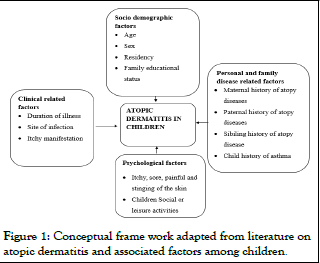
Figure 1: Conceptual frame work adapted from literature on atopic dermatitis and associated factors among children.
Objectives
General objective: To assess the magnitude and associated factors of atopic dermatitis among children seeking hospital visit in Addis Ababa, Ethiopia.
Specific objective: To assess the magnitude of atopic dermatitis among children visiting St. Paul’s hospital, Addis Ababa, Ethiopia during the periods of December2021-January 2022.
To identify factors associated factors to atopic dermatitis among children visiting St. Paul’s hospital, Addis Ababa, Ethiopia during the periods of December to January 2022.
Study area
The study was conducted in St. Paul’s Hospital which is one of the largest specialized tertiary referral hospitals in Ethiopia found in the capital city, Addis Ababa. This site waschosen as a study area because there was more advantage of the opportunity related to the presence of large number of cases at a single focal point. It was established in 1969 by Emperor Haile selassie1with the help of the German Evangelical Church with the objective of serving the poor. Medical college was formed in 2000.
The hospital currently provides a wide range of services in the various departments. These include emergency, gynecology, general OPD, ART and TB, psychiatry and counseling, dermatology and venereology, forensic medicine and toxicology, dental, ophthalmology, pediatric, surgical and neurosurgery, laboratory, pharmacy, radiology, anesthesia, environmental health education and promotion and rehabilitation. The hospital has 350 beds sees an annual average of 300,000. It has a catchment population more than 5 million. The hospital has 1200 clinical and non-clinical staff. Dermatolovenereolgy is one of among various departments, which provide a wide range of services in dermatology out patient’s clinic for the past several years and currently providing a residency program. At the time of study, there were four dermatovenereolgiest, dermatopathologiest and dermato-surgeon each one and eight dermato-venereology residents (Figure 2).
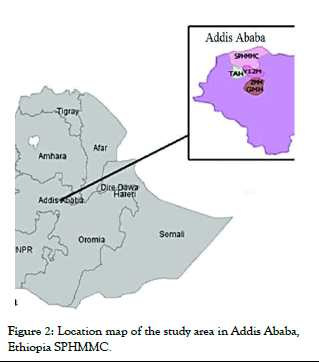
Figure 2: Location map of the study area in Addis Ababa, Ethiopia SPHMMC.
Study design
An institutional based cross sectional study design was used.
Study period
The study was conducted from December2021 to January 2022 at Saint Paul’s Hospital Millennium Medical College, Addis Ababa.
Source population
The source population was all out patient childrens visiting dermatology clinic of Saint Paul’s Hospital Millennium Medical College during the study period [4].
Study population
Children ≤ 14 years with atopic dermatitis patients who are referred or not cases, who visited the dermatology outpatient clinic of Saint Paul’s hospital millennium medical college during the study period and those who fulfill the inclusion criteria were involved.
Inclusion and exclusion criteria
Inclusion criteria: All children ≤ 14 age of Atopic dermatitis patients whether referred or not diagnosed by dermatovenerologists and dermatology residents and other skin inflammatory disease, who visited the OPD of the dermatology clinic in St. Paul’s Hospital in the year2021 during the study period were included in the study.
Exclusion criteria: All dermatologic out patients whether referred or not was checked by dermatovenerologists and dermatology residents the case were excluded from the atopic dermatitis case or other eczema conditions and aged range fromabove 14 years were excluded from study.
Sample size determination
The sample size was calculated by using single population proportion formula based on the following assumptions: A 95% confidence level, margin of error (5%) and assume maximum variability (p=0.5). These parameters are substituted in the following single population proportion formula:
n=(z2 × p(1-p)2)/d2
n=(1.96)2 × 0.5(1-0.5)2/(0.05)2
=384
Where: n=Sample size
p=Proportion of people
Z=The value of the standard normal curve score corresponding to the given confidence interval 1.96.
d=The permissible margin of error (required precision)=5%
The population of annual dermatologic patients at St. Paul’s hospital is<10,000 therefore sample size adjustment is needed by using finite population correction formula;
Where, N=8400 (total number of dermatologic atopic dermatitis patients annually) ni=unadjusted sample size no=adjusted sample size no is equal to 367 and after a 5% allowance for a nonresponse the final sample size was obtained 385 respondents.
Sampling procedure
In this study, was use interview technique of OPD patients or guardians of the children, by considering the total population for these health institutions (their average monthly OPD dermatological ≤ 14 atopic dermatitis flows of previous, at least for two months is estimated that 120. I used all the samples until it fulfill the calculated sample size during the time of data collection.
Operational definition of variables
Atopic dermatitis: Patients must have essential features with or without important and associated features list of diagnostic criteria according to A 2003 update of the Hanifin and Rajka by the American Academy of Dermatology (AAD) established as essential, important and associated features of AD.
Essential features: Pruritus, typical morphology and distribution, facial and extensor eruptions in infants and children, chronically relapsing dermatitis, personal or family history of atopy (asthma, allergic, rhinitis, atopic dermatitis).
Important factors: Personal or family history of atopy (asthma, allergic, rhinitis, atopic dermatitis), early age of onset, elevated serum IgE, xerosis, pitryasis alba.
Associated features: Bacterial infection, viral infection, sleep disturbance, physclogical trauma and itchiness.
Age of the respondents: Children on international classification of disease group includes separate age classification for general purposes and for special statistics used the third one classification under one, children 1-14.
Dermatology life quality index: CDLQI and FDLQI symptoms, feelings, lesure, time, school and holidays, relationships and sleep impact the higher the score the more QoL is impaired.
Study variable
Dependent variable: Atopic dermatitis (Yes or No).
Independent variables: Demographic characteristics of the patients:
Data collection procedure
Data collection method instrument and procedure: A structured interview questionnaire was conducted among family or guardians of children on Opd visit.
The questionnaire was adopted from American Academy of dermatology modified pediatrics diagnostic criteria of AD and after reviewing different literature. Some modification were done based on the research objective.
Two dermatology residents and one nurse supervisor working in the OPD of dermatology clinic in St. Paul’s Hospital Millennium Medical College were recruited for data collection purpose. The data collectors and supervisors were receiving a daylong training on the objectives and benefits of the study, individuals’ rights and informed consent. Close ended questions were used to collect data. On the daily basis, a filled questionnaire was checked for completeness and consistency by the supervisor [5].
Data quality management: The socio demographic factors, personal disease, skin physical examination and personal associated factors were assessed using standardize questionnaire from American Academy of dermatology modified pediatric diagnostic criteria of AD among children. The questionnaire was prepared in English and translated to Amharic version and later translated back to English using a standard translation procedure to keep its consistency. Appropriate training was given for both data collectors and supervisor. Prior to the actual data collection, the questionnaire was pretested on 5% children guardian. Based on the pretest necessary modification was done on the questionnaire. In addition, the supervisor was conduct supervision each day. The completed questionnaires was handled properly and checked for completeness, clarity and logical consistency by the principal investigator and supervisor.
Data analysis
The data were cleaned, coded and entered into EPI Info version 4.4.2 and then exported to SPSS version 21 for further analyses. The data was analyzed by using descriptive statistics and the results will be presented in text, percentage, frequency distributions, tables, figures and charts binary and multiple logistic regression analysis were performed to assess the association between independent and dependent variables. The strength of statistical association was measured by odd ratio and 95% confidence intervals and statistical significance level were considered at P<0.05.
Ethical consideration
The study was conducted after obtaining ethical approval from Sante Medical College department of public health, Research Ethics Committee (REC). The study was conducted in St. Paul’s Hospital after getting approval letter permission from St. Paul’s hospital ethics review committee and submitted to St. Paul’s hospital dermatology department head before starting the study. The objective of the study was informed verbally for each participants family or their guardians they were ensured their response only be utilized for the research purpose and agreement was obtained from each participants by signing on consent form before data collection. For children’s parental consent and asset of the study subject were obtained. In addition, for those who are not comfortable to participate in the study their right was respected and they were excluded from the study. The information obtained from the study participants was handled confidentially by omitting their names and personal identification during analysis, furthermore to keep the confidentiality, residents and nurses working in the hospital collected the questionnaire.
Dissemination plan
The results of the study will be submitted to santé medical college department of public health, targeted St. Paul’s hospital millennium medical college dermatology department and other concerned bodies. Attempt will be made to publish the result to reach the scientific world.
Socio demographic characteristics
Out of the total of 385 children patients planned for this study, guardian of 6 children’s have refused to participate and analysis was made based on 379 respondents yielding response rate of 98.5%. Of these, 206 (54.4%) and 173 (45.6%) were males and females respectively. Three hundred thirty-three (87.9%) of the study participants were from urban areas. Mean age of the study participants was 1.98 (± 0.699) years.
One hundred ninety-four (51.2%) guardians of the children have attened diploma and above level of education, 137 (36.1%) secondary school, 39 (10.3%) primary school and 9 (2.4%) were unable to read and write. One hundred fifty-one (39.8%) were government employee by occupation and nearly two third of the children guardians were house-wivies 92 (24.3%) (Table 1).
| Variables | Category | Number | Percent |
| Child mother ever had | Asthma | 17 | 4.5 |
| Hay fever | 31 | 8.2 | |
| Atopic dermatitis | 3 | 0.8 | |
| Non atopy | 328 | 86.5 | |
| Child father ever had | Asthma | 6 | 1.6 |
| Hay fever | 14 | 3.7 | |
| Non atopy | 359 | 94.7 | |
| Child sibling had ever | Asthma | 14 | 3.7 |
| Hay fever | 12 | 3.2 | |
| Atopic dermatitis | 1 | 0.3 | |
| Non atopy | 352 | 92.8 | |
| Child ever had asthma | Yes | 9 | 2.4 |
| No | 370 | 97.6 | |
| Child ever had hay fever | Yes | 29 | 7.7 |
| No | 350 | 92.3 | |
| Child ever had other skin inflammatory disease | Yes | 322 | 85 |
| No | 57 | 15 |
Table 1: Socio-demographic characteristics of children in St. Paul’s Hospital, Addis Ababa, Ethiopia, July- September 2022 (n=379).
Clinical factors: Among the respondents, scabies, contact dermatitis, atopic dermatitis and other skin inflammatory diseases accounted for 10 (2.6), 15 (4.0%) and 57 (15%) respectively. Three hundred twelve (82.3%) and 67 (17.7%) of the respondents have reported that they had duration of illness less than and more than and equal to six months respectively. The lesion of children was commonly found on face 170 (44.9%), flexure area 235 (62%), extensor surfaces 137 (36.1%) and all the flexure, extensor and face area 54 (14.2%). Fifty (13.2%) of the respondents have experienced problems with itchy with redness eyes (when not affected by cold or flu) and 12 (3.2%) of children had wheezing or whistling in their chest.
Of the total of respondents, 265 (69.9%) had itchy manifestation, 133 (35.1%) under one-year-old children had rash over cheek, outer surface forearm and legs and 238 (62.8%) have shown manifestation of rash over inner surface of forearm and legs in older children. Fifty-nine (15.6%) of the respondants have had long standingor recurrent lesion (Table 2).
|
Variables |
Category |
Number |
Percent |
|
Scabies |
Yes |
10 |
2.6 |
|
No |
369 |
97.4 |
|
|
Contact dermatitis |
Yes |
15 |
4 |
|
No |
364 |
96 |
|
|
Atopic dermatitis |
Yes |
57 |
15 |
|
No |
322 |
85 |
|
|
Duration of illness |
<6 month |
312 |
82.3 |
|
≥ 6 month |
67 |
17.7 |
|
|
Child facial area more affected |
Yes |
170 |
44.9 |
|
No |
209 |
55.1 |
|
|
Child flexure area more affected |
Yes |
235 |
62 |
|
No |
144 |
38 |
|
|
Child extensor area more affected |
Yes |
137 |
36.1 |
|
No |
242 |
63.9 |
|
|
Child all face, flexure and extensor area affected |
Yes |
54 |
14.2 |
|
No |
325 |
85.8 |
|
|
Child in the past 12 month sneezing or running nose |
Yes |
13 |
3.4 |
|
No |
366 |
96.6 |
|
|
Sneezing or running nose |
Yes |
50 |
13.2 |
|
No |
329 |
86.8 |
|
|
Wheezing or whistling in their chest in the past 12 month |
Yes |
7 |
1.8 |
|
No |
372 |
98.2 |
|
|
Wheezing or whistling in their chest |
Yes |
12 |
3.2 |
|
No |
367 |
96.8 |
|
|
Child with itchy manifestation |
Yes |
265 |
69.9 |
|
No |
114 |
30.1 |
|
|
Rash over cheek, outer surface forearm and legs in infants |
Yes |
133 |
35.1 |
|
No |
246 |
64.9 |
|
|
Rash over inner surface forearm and legs older children |
Yes |
238 |
62.8 |
|
No |
141 |
37.2 |
|
|
Longstanding or recurrent lesion |
Yes |
59 |
15.6 |
|
No |
320 |
84.4 |
Table 2: The characteristics of clinical factors among children in St. Paul’s Hospital, Addis Ababa, Ethiopia, July-September 2022.
Characteristics of personal and family disease factors: Family members were asked for history of asthma. Accordingly, 17 (4.5%) mothers, 6 (1.6%) fathers and 14 (3.7%) siblings of the child respectively had history of asthma. and 9 (2.4%) child themselves had also history of asthma. Out of the total respondents, 29 (7.7%) children had history of hay fever (Table 3).
| Variables | Category | Number | Percent |
| Child mother ever had | Asthma | 17 | 4.5 |
| Hay fever | 31 | 8.2 | |
| Atopic dermatitis | 3 | 0.8 | |
| Non atopy | 328 | 86.5 | |
| Child father ever had | Asthma | 6 | 1.6 |
| Hay fever | 14 | 3.7 | |
| Non atopy | 359 | 94.7 | |
| Child sibling had ever | Asthma | 14 | 3.7 |
| Hay fever | 12 | 3.2 | |
| Atopic dermatitis | 1 | 0.3 | |
| Non atopy | 352 | 92.8 | |
| Child ever had asthma | Yes | 9 | 2.4 |
| No | 370 | 97.6 | |
| Child ever had hay fever | Yes | 29 | 7.7 |
| No | 350 | 92.3 | |
| Child ever had other skin inflammatory disease | Yes | 322 | 85 |
| No | 57 | 15 |
Table 3: Children personal and family disease related factors with AD diagnosed according to AAD diagnostic criteria, St. Paul’s hospital, Addis, Ababa and July-September Ethiopia 2022 (n=379).
Magnitude and distribution of AD with socio demographic factors: In this study of the 379 children, 57 of were diagnosed to have atopic dermatitis-according to atopic dermatitis diagnostic (AAD) criteria with an overall magnitude of 15% (95% CI: 11.6, 18.7). Of these, 34 (16.5%) were males and 23 (13.3%) were females. AD was higher among children of urban residence with 55 (16.5%) than rural with only 2 children were diagnosed with AD. Most of the children diagnosed with AD had family members with education status of was 43 (75.4%) diploma and above level. Among these, 25 (16.6%), 15 (16.3%) and 9 (19.1%) cases of psoriasis were detected with government employed, housewife, merchant respectively. On this study most of respondents diagnosed with atopic dermatitis had among age group of 1-5 years were 36 (18.6%) (Figure 3).
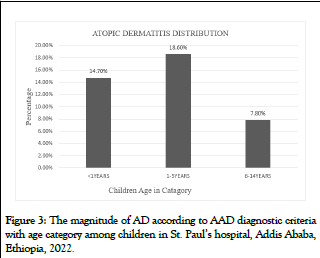
Figure 3: The magnitude of AD according to AAD diagnostic criteria with age category among children in St. Paul’s hospital, Addis Ababa, Ethiopia, 2022.
Distribution of AD among clinical factors and dermatological quality of life: According to AAD diagnostic criteria, among AD diagnosed children the lesion was commonly found on the face area 14 (16.7%), extensor surface of upper extremities and lower extremities 11 (14. 5%) in infantile period, in children with AD 1-5 years’ lesion were mostly found on flexure surface of extremities 28 (19.4%) and on 6-14 years’ age group also found in extremities of the extensor surface area 1 (8.3%) (Figure 4).
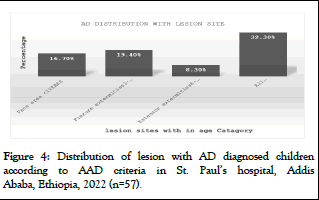
Figure 4: Distribution of lesion with AD diagnosed children according to AAD criteria in St. Paul’s hospital, Addis Ababa, Ethiopia, 2022 (n=57).
From AD diagnosed children itchy manifestation characteristics 55 (20.8%) were more found. On this study based on children dermatological quality index criteria quality of life were assessed with AD diagnosed children the strongest correlation with AD was observed on item itchy, sore, painful or stinging problem (0.2) at significant level P<0.001. Most of AD children had quality of life problem item with a lot itching, sore, painful or stinging problem 23 (25.3%) (Figure 5).
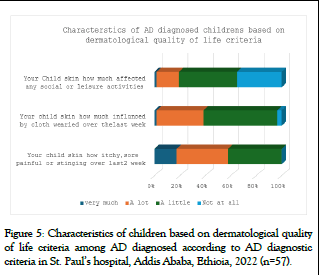
Figure 5: Characteristics of children based on dermatological quality of life criteria among AD diagnosed according to AD diagnostic criteria in St. Paul’s hospital, Addis Ababa, Ethioia, 2022 (n=57).
Distribution of AD among children personal and family disease related: In this study, among children’s who had AD 1 (1.8%) of them have personal history of asthma and 9 (15.8%) had hay fever history. Out of AD diagnosed children the paternal history of atopic disease shows that asthma 1 (1.8%) and hay fever 9 (15.8%). Children sibling’s history of atopic disease had 7 (12.3%), 5 (8.8%) asthma and hay fever respectively. Most of the maternal history of children with AD shows 9 (15.8%) asthma and 9 (15.8%) hay fever history (Table 4) [6].
| Variable | Category | Number | Percent |
| Child with asthma | Yes | 1 | 1.8 |
| No | 56 | 98.2 | |
| Child with hay fever | Yes | 9 | 15.8 |
| No | 48 | 84.2 | |
| Child mother with asthma | Yes | 9 | 15.8 |
| No | 48 | 84.2 | |
| Child mother with hay fever | Yes | 9 | 15.8 |
| No | 48 | 84.2 | |
| Child father with asthma | Yes | 1 | 1.8 |
| No | 56 | 98.2 | |
| Child father with hay fever | Yes | 9 | 15.8 |
| No | 48 | 84.2 | |
| Child sibling with asthma | Yes | 7 | 12.3 |
| No | 50 | 87.7 | |
| Child sibling with hay fever | Yes | 5 | 8.8 |
| No | 52 | 91.2 |
Table 4: Personal and family related disease distribution with AD among children in St. Paul’s hospital Addis Ababa, Ethiopia, 2022 (n=57).
Factors associated with atopic dermatits among children
Socio-demographic factors: Using binary logistic regression, the relationship between socio demographic factors and atopic dermatitis was assessed. Accordingly, sex, age, residency family educational status and family occupational status were assessed with atopic dermatitis. In a crude analysis, atopic dermatitis was significantly associated with age, place of residence area and family’s educational status. Age group of 1-5 years old children respondents’ were 2.7 times COR (95% CI):=2.7 (1.15-6.334) more likely of developing AD than less than <1 years old’ children. Urban resident children respondents had also 4.3 times COR (95% CI):=4.3 (1.03-18.4) higher odds of developing AD than children living in rural areas. Besides, children whose families shad diploma and above level of education were 0.25 times COR (95% CI):=0.25 (0.14-0.53) less likely of developing AD compared to those with primary and secondary educational status. Atopic dermatitis was not statistically associatiated with sex and family’s occupational status.
Clinical related factors: The present study has found that development of atopic dermatitis disease was significantly associated with child itchy manifestation at bivariate analysis (p<0.05). Children’s who had itchy manifestation were COR=(95% CI):14.67 (3.51-61.25) higher to develop AD compared with children’s who did not have itchy characteristics. However, scabies, contact dermatitis, duration of illness, children with sneezing and running nose in the past 12 months, children with sneezing and running nose, children with wheezing and whistling in their chest during the past 12 months, child site of body affected, child rash over upper and lower extremities, child having recurrent or longstanding illness were not statistically associated with atopic dermatitis disease.
Personal and family disease related factors: In this study, maternal history of asthma and hay fever, paternal history of hay fever, sibling history of asthma and hay fever and personal history hay fever were found to be significantly associated with development of atopic dermatitis disease in children. AD patient children’s who had maternal history of asthma were 7.35 times COR (95% CI):=7.35 (2.71-19.99) more likely to have AD disease compared to those who did not have maternal history of asthma, children whose mothers have had hay fever had also 2.5 times higher odds of developing atopic dermatitis disease compared to with those who were free of history of maternal hay fever COR, (95% CI):=2.5 (1.11-5.88). Paternal history of hay fever had 11.8 times COR (95% CI):=11.89 (3.82-36.97) higher odds of having AD compared to those who did not have history of paternal hay fever.
Moreover, children’s sibling history of asthma and hay fever were significantly associated with development of atopic dermatitis. Children’s sibling history of asthma were 6.30 times COR (95% CI):=6.30 (2.12-18.73) higher odds of having AD disease as compared to those siblings who were free of asthma. Children’s sibling history of hay fever were 4.33 times COR (95% CI):=4.33 (1.32-14.15) higher odds of having AD disease as compared to those sibling who were free of hay fever history. Children’s who had hay fever history were 2.8 times COR (95% CI):=2.83 (1.22-6.58) higher odds of having AD disease as compared to those who were free of hay fever history. However, children’s maternal history of atopic dermatitis, paternal history of asthma and atopic dermatitis, sibling history of atopic dermatitis and children history of asthma and other skin inflammatory disease were not associated with atopic dermatitis disease in this study (Table 5).
Multivariable analysis
In order to identify independent predictors of atopic dermatitis disease, those variables that showed statistically significant association in a crude analysis were included in a multivariable logistic regression model. Accordingly, among socio-demographic factors only children’s family educational status was found be independent predictors for development of atopic dermatitis disease. In this study diploma and above level of education were 0.4 times AOR (95% CI):=0.42, (0.18-0.9) less likely to have children who developed AD disease than their counterparts. Among clinical factors, children’s who have had itchy manifestation were 22 times AOR (95% CI):=21.9 (4.01-119.96) more likely to develop AD compared to who did not have [7].
Moreover, children’s family related and personal related disease was also another variable that showed significant association with development of atopic dermatitis disease. Children’s who have maternal history of asthma were 6.3 times AOR (95% CI):=6.31, (1.91-20.78) higher odds of developing AD disease as compared to who did not have. Children’s who have paternal history of hay fever had 6.6 times (AOR=6.671, 95% CI: 1.801-24.703) higher odds of developing atopic dermatitis disease as compared to who were from paternal history of hay fever. Children’s who have sibling hay fever disease were 5 times AOR (95% CI):=5.08 (1.44-17.94) higher odds of developing AD disease as compared to who did not have. Besides, children who have had hay fever history were 10.3 times AOR (95% CI): =10.39 (2.35-45.91) higher odds of developing AD disease as compared to those who did not have history of hay fever.
However, in this study atopic dermatitis disease was not statistically associated with age, place of residence, maternal history of hay fever, child sibling history of asthma in a multivariable logistic regression model (Table 5).
| Variable | Atopic dermatitis | COR (95%CI) | AOR (95%CI) | p-value | ||
| Yes n (%) | No n (%) | |||||
| Age (years) | <1 | 14 (24.6) | 81 (25.2) | 2.04 (0.79-5.33) | 0.66 (0.54-5.15) | 0.37 |
| 1-5 | 36 (63.2) | 158 (49.1) | 2.70 (1.15-6.34) | 1.85 (0.68-5.04) | 0.22 | |
| 6-14 | 7 (12.3) | 83 (25.8) | 1 | 1 | ||
| Place of residence | Urban | 55 (96.5) | 278 (86.3) | 4.35 (1.03-18.49) | 3.53 (0.64-19.36) | 0.14 |
| Rural | 2 (3.5) | 44 (13.7) | 1 | 1 | ||
| Family educational status | Diploma and above | 43 (75.4) | 151 (46.9) | 0.25 (0.12-0.53) | ||
| Secondary school | 9 (15.8) | 128 (39.8) | 0.40 (0.14-1.19) | 0.42 (0.18-0.98) | 0.04 | |
| Primary school | 4 (7) | 35 (10.9) | 0.43 (0.05-3.61) | 0.98 (0.25-3.88) | 0.97 | |
| Unable read write | 1 (1.8) | 8 (2.5) | 1 | 0.69 (0.06-7.48) | 0.75 | |
| Child with itchy manifestation | Yes | 55 (96.5) | 210 (65.2) | 14.67 (3.51-61.25) | 21.95 (4.01-119.96) | 0 |
| Yo | 2 (3.5) | 112 (34.8) | 1 | 1 | ||
| Child mother ever had asthma | Yes | 9 (15.8) | 8 (2.5) | 7.35 (2.71-19.98) | 6.31 (1.91-20.78) | 0.002 |
| No | 48 (84.2) | 314 (97.5) | 1 | 1 | ||
| Child mother ever had hay fever | Yes | 9 (15.8) | 22 (84.2) | 2.56 (1.11-5.88) | 1.60 (0.59-4.29) | 0.34 |
| No | 48 (6.8) | 300 (93.2) | 1 | 1 | ||
| Child father ever had hay fever | Yes | 9 (15.8) | 5 (1.6) | 11.89 (3.82-36.97) | 6.67 (1.80-24.70) | 0.004 |
| No | 48 (84.2) | 317 (98.4) | 1 | 1 | ||
| Child sibling ever had asthma | Yes | 7 (12.3) | 7 (2.2) | 6.30 (2.12-18.73) | 3.59 (0.89-14.52) | 0.07 |
| No | 50 (87.7) | 315 (97.8) | 1 | 1 | ||
| Child sibling ever had hay fever | Yes | 5 (8.8) | 7 (2.2) | 4.33 (1.32-14.15) | 5.08 (1.45-17.92) | 0.01 |
| No | 52 (91.2) | 315 (97.8) | ||||
| Child ever had hay fever | Yes | 9 (15.8) | 20 (6.2) | 2.83 (1.22-6.58) | 10.42 (2.36-45.96) | 0.002 |
| No | 48 ( 84.2) | 302 (93.8) | 1 | |||
Table 5: Factors associated with atopic dermatitis among children in St. Paul’s hospital, Addis Ababa, Ethiopia, July-September 2022.
Atopic dermatitis is the most ordinary cause for consultation in pediatric dermatology it affects 15-20% of children worldwide. The present study revealed that the magnitude of atopic dermatitis (15%) based on AAD diagnostic criteria among children’s in St. Paul’s Hospital Millennium Medical Mollege. In addition, family educational status, clinical related factors and personal and family related disease were found to be independent predictors for AD. This study found slightly higher magnitude of atopic dermatitis among children than studies conducted in Nigeria 13.8%, 11.2% Addis Ababa. But the result of this study is lower than the study in Swedish 20.1% Argentina 41.1%.
Likewise, the magnitude of AD in this study was still higher than the study conducted in Tunisia 0.65 Jimma 4.4% and Mekele 9.6%. The difference may be due to the geographical difference, age group considered and use of different diagnostic criteria, study period and season. The possible reason for the higher magnitude compared to studies conducted in Ethiopia could be study setting since the study is done at St. Paul’s hospital which is the referral hospital providing dermatologic services to patients at capital city of Ethiopia [8].
Regarding associated factor for development of atopic dermatitis among children only family educational status was independently associated with development of atopic dermatitis from socio demographic factors when added in multivariable analysis model. Diploma and above respondents had 0.41 times more likely of having atopic dermatitis than primary and secondary level of education respondents. This result is consistent with study done Nigeria and Mekelle. On the other hand, clinical related factors itchy manifestation showed statically significant association with the development of AD when taken in to multivariable analysis model. Child’s who have itchy manifestation were 21.95 higher odds of developing atopic dermatitis than those who were free of itchy characteristic. This result is consistent with studies conducted in Addis Ababa and South Africa. All of these studies reported that itchy manifestation was some independent predictors for the development of AD. This implies that itchy manifestation risks the existing AD disease in children.
In addition, maternal history of asthma were 6.30 times higher odds of developing AD compared to those who were free of maternal asthma history. This result is in agreement with studies conducted in UK, New Zealand, Nigeria, South Africa and Mekelle. This showed that children with maternal history of asthma more likely to develop the existing atopic dermatitis. However, maternal history of hay fever was not associated with AD disease in this study. The result is inconsistent with the study conducted in New Zealand and South Africa. This difference might be due to the differences in the methodological between the studies, whereas different in study design and control of confounding effect. The paternal history of hay fever were 6.67 times higher developing AD disease among children’s as compared to those who were free of hay fever history fathers. This result is in agreement with studies conducted in UK New Zealand and South Africa.
In the current study children’s siblings hay fever history were 5.07 times higher odds of having atopic dermatitis disease as compared with those who were free of hay fever history siblings. This result is consistent with study conducted in Cameroon and Cape town. However, this study did not significant associated between sibling history of asthma and AD disease among children. This is inconsistent with study conducted in Mekelle. The possible reason for the difference might be due to the methodological difference such as confounding effect. Moreover, children themselves history of hay fever were 10.39 times higher odds of developing AD disease as compared to those children’s who were free of hay fever history this result is consistent with the study conducted in New Zealand, South Africa and Mekelle [9].
Furthermore, the present study found no association among sex, family occupational status, history of maternal atopic dermatitis disease, paternal history of AD disease and history of sibling atopic dermatitis disease however, in other studies variables such as family occupational status, maternal, paternal and sibling atopic disease history were significantly associated with among children.
Strength and limitation of the study
Strength of the study: To the best of my knowledge, this study is one of the few studies done in Ethiopia to assess magnitude and associated factors of atopic dermatitis in children. The study sample used from hospital not from the community to reduce bias that can be attributed due to baseline characteristics such as socio demographic and factor associated.
Limitation of the study: The study while used a cross sectional study it suffers the usual limitation such as sample was taken only from hospital, the study findings may not be generalized strong cause effect relationship among the magnitude of atopic dermatitis among children and its associated factors [10].
The study has found that one out of seven children in the study population had atopic dermatitis disease. Moreover, family educational status, clinical related factor that itchy manifestation maternal history of asthma, paternal history of hay fever, sibling history of hay fever and child personal history of hay fever were found an independent predictor of development of atopic dermatitis disease among children.
Based on the results of the study the following recommendations were made.
For Ethiopian ministry of health: The Ethiopian ministry of health should give a great attention towards strengthening national skin disease prevention and control services on creating awareness, prevention and treatment of atopic dermatitis at institutional and community house hold level such as, to develop a primary health care management strategies and short courses on atopic dermatitis for health extension worker to improve the knowledge biases on AD and to give evidence based health education to the parents.
Training health extension workers, this can be by incorporating atopic dermatitis with possibly other skin inflammatory disease in more depth into the basic health extension curriculum helps to create awareness about the disease among the communities. Moreover, the institutional and community health extension workers have to address health education to children’s family keep care of skin and don not neglect the disease contact health facility services specially for those parents who have atopic disease history
For researchers: Further research on atopic dermatitis must have to be done to see the clear picture at regional and national level. In addition, it is better to conduct a prospective cohort study which is undertaken in order to characterize the association between personal and related disease factors and atopic dermatitis by provide much needed data to inform public health initiatives and the development of support for the children and families more appropriate and effective care.
I would like to express my gratitude to Santé Medical College department of public health. My sincere thanks goes to my advisor Dr. Alemayehu Mekonnen for his advice from the beginning to select appropriate topic, research writing and continuous advice up to the final stage of my thesis work. His word has always inspired and brought me to a higher level of thinking. What I learn from my advisor is not only how to write a research thesis to meet Master’s Degree in public Health graduation requirements, but how to view one thing from different perspectives.
My thanks also goes to St.Paul’s Hospital Millinium Medical Collage community for thier permission to conduct the study as well to the study participant childrens’ guardians participating in this study.
Finally, my sincere gratitude goes to my family, friends and colleagues for the support they made during my study, encouragement and developing a confidence by me.
[Crossref] [Google Scholar] [PubMed]
[Crossref] [Google Scholar] [PubMed]
[Crossref] [Google Scholar] [PubMed]
[Crossref] [Google Scholar] [PubMed]
[Crossref] [Google Scholar] [PubMed]
[Crossref] [Google Scholar] [PubMed]
Citation: Demissie T (2025) Magnitude and Associated Factors of Atopic Dermatits among Children in St. Paul’s Hospital Addis Ababa Ethiopia 2022. J Clin Exp Dermatol Res. 16:686.
Received: 19-Aug-2024, Manuscript No. jcedr-24-33560; Editor assigned: 22-Aug-2024, Pre QC No. jcedr-24-33560 (PQ); Reviewed: 05-Sep-2024, QC No. jcedr-24-33560; Revised: 01-Jan-2025, Manuscript No. jcedr-24-33560 (R); Published: 08-Jan-2025 , DOI: 10.35841/2155-9554.25.16.686
Copyright: © 2025 Demissie T. This is an open-access article distributed under the terms of the Creative Commons Attribution License, which permits unrestricted use, distribution and reproduction in any medium, provided the original author and source are credited.