
International Journal of Physical Medicine & Rehabilitation
Open Access
ISSN: 2329-9096
ISSN: 2329-9096
Review Article - (2026)Volume 14, Issue 2
Background: Trapezius Myofascial Pain Syndrome (TMPS) is a common chronic musculoskeletal disorder causing neck shoulder pain and dysfunction. Conventional treatments have limitations such as adverse effects and unsatisfactory long term outcomes. Shock Wave Therapy (SWT) is a non invasive modality for myofascial disorders, yet evidence for TMPS remains limited by heterogeneous protocols and small sample sizes. This systematic review assesses the efficacy and safety of SWT for TMPS to inform clinical practice.
Methods: Following the Patient/Population, Intervention, Comparison and Outcome (PICO) framework, PubMed, Web of Science, Embase, and PEDro were searched from inception to June 2025 for Randomized Controlled Trials (RCTs) investigating SWT for TMPS. Eligible participants were adults diagnosed with TMPS. Intervention groups received SWT, including focused or radial shock waves, while controls received sham treatment, no treatment, or conventional therapies (physiotherapy, massage, acupuncture, or pharmacological treatment). Two reviewers independently performed study selection and data extraction. The methodological quality of the included studies was assessed using the Physiotherapy Evidence Database (PEDro) scale, and its influence on the interpretation of findings was considered in the synthesis.
Results: Fourteen RCTs involving 876 participants published between 2012 and 2025 were included, originating from Korea, Egypt, China, Turkey, Hungary, and Iran. The median PEDro score was 6 (range: 5-8), with most studies rated as moderate quality (scores 6-7/11). Control interventions varied across studies, including sham therapy, laser therapy, dry needling, taping, ultrasound, and exercise therapy. SWT protocols differed in type, frequency, and treatment duration. Overall, SWT demonstrated significant reductions in pain intensity and tenderness, and improvements in range of motion, with no serious adverse events reported.
Conclusion: Current evidence suggests that SWT is a safe and effective intervention for trapezius myofascial pain syndrome. However, as most included trials were of moderate methodological quality and considerable variability existed in SWT protocols (such as type, energy flux density, and treatment duration), the strength of evidence should be interpreted with caution. Further large scale, high quality RCTs are warranted to confirm its efficacy and elucidate underlying mechanisms.
Extracorporeal shock wave therapy; Trapezius muscle; Myofascial pain syndrome; Pain management; Systematic review
Trapezius Myofascial Pain Syndrome (TMPS) of the trapezius muscle is a common chronic pain disorder, characterized by the presence of Myofascial Trigger Points (MTrPs) that induce localized or referred pain [1]. As a key muscle of the upper back and neck, TMPS often leads to pain, stiffness, and restricted mobility in the neck, shoulder and upper back, substantially impairing patients’ quality of life and work efficiency [2,3]. The prevalence is higher in women than in men, with reported rates of 37% in men and 65% in women between the ages of 30 and 60 and up to 85% in individuals over 65 years old [4]. Current treatment options for TMPS include pharmacological therapy, physiotherapy, manual therapy, and acupuncture. Pharmacological treatments such as Nonsteroidal Anti-Inflammatory Drugs (NSAIDs) and muscle relaxants provide short term pain relief but may cause systemic side effects [5,6]. Physiotherapy and manual therapy can improve muscle elasticity but require long-term adherence and may yield variable results depending on practitioner skill [7]. Therefore, despite these available options, their overall effectiveness remains limited, and recurrence is common, highlighting the need for safer, more effective, and sustainable treatment strategies for TMPS.
SWT is a mechanical acoustic wave that acts on MTrPs and spastic muscle tissue, producing expansion and compression along the wave propagation path. At tissue junctions, SWT induces mechanical stress, enhances local blood circulation without damaging surrounding structures, and stimulates endothelial cells to release Nitric Oxide (NO) [8]. This accelerates collagen synthesis, promotes tendon and soft tissue regeneration and repair, and thereby facilitates functional recovery [9]. Specifically, SWT is thought to inactivate myofascial trigger points by disrupting the taut bands of muscle fibers, improving local microcirculation and modulating nociceptor excitability, which together contribute to pain reduction and muscle relaxation [10]. In addition, SWT may reduce neural hypersensitivity by modulating nociceptor responsiveness, leading to analgesic effects [11]. Currently, shock wave therapy has been widely applied in chronic soft tissue disorders such as lumbar Myofascial Pain Syndrome (MPS), plantar fasciitis and rotator cuff injuries, as well as in bone-related conditions including delayed fracture healing, femoral head necrosis and knee osteoarthritis [12].
However, existing studies investigating SWT for TMPS are limited by small sample sizes, inconsistent treatment parameters (e.g., energy intensity, frequency, and session duration) and lack of long term follow-up. Although some studies suggest that SWT may alleviate pain and improve function in TMPS, questions remain regarding its long term efficacy, optimal treatment parameters, and underlying mechanisms. Therefore, this systematic review aims to comprehensively evaluate the current evidence on SWT for TMPS, to provide scientific support for its clinical application and guidance for future research.
Protocol registration
This systematic review was conducted in accordance with the Preferred Reporting Items for Systematic reviews and Meta-Analyses (PRISMA) guidelines [13] and the prospero checklist, and has been registered on prospero (Registration number: CRD42025643828). The pre-specified primary and secondary outcomes, as well as time points, are consistent with our registered prospero protocol.
Search strategy
The literature search was conducted from database inception to June 2025 across four electronic databases: PubMed, Web of Science, Embase and PEDro. The search focused on studies investigating the effects of SWT on TMPS. The search terms included: “trapezius myofascial pain syndrome,” “myofascial pain syndrome,” “myofascial trigger point pain,” “shock wave therapy,” “radial shock wave,” “focused shock wave,” “extracorporeal shock wave,” and “Extracorporeal Shock Wave Therapy (ESWT).” According to Boolean logic, synonyms within the same concept were combined using “OR,” and the two main concept groups were linked using “And.” The search was limited to studies published in English. Additionally, grey literature sources (including reference lists of included trials and relevant reviews) were manually screened to identify any potentially eligible studies.
The PICOS framework (Population, Intervention, Comparison, Outcomes, and Study design) guided the eligibility criteria, as summarized in (Table 1). The inclusion criteria were as follows:
| Population | Patients diagnosed with Trapezius Myofascial Pain Syndromeï¼TMPSï¼ |
|---|---|
| Intervention | The experimental group received Shock Wave Therapy (SWT) |
| Comparison | Any comparators |
| Outcome | Visual Analogue Scale (VAS), Pressure Pain Threshold (PPT),Neck Disability Index (NDI), Neck Pain and Disability Scale (NPADS), Numeric Pain Rating Scale (NPRS) |
| Study design | Randomized Controlled Trial (RCT) |
Table 1: PICOS framework
Population: Adults diagnosed with TMPS, without restriction on sex.
Objective: To evaluate the effectiveness of SWT in relieving pain and improving function in patients with TMPS. Intervention: SWT, including both focused and radial shock waves.
Comparison: Placebo treatment (sham SWT), no treatment, or other conventional therapies such as physiotherapy, massage, acupuncture, or pharmacological treatment.
Outcomes: Visual Analogue Scale (VAS), Pressure Pain Threshold (PPT), Neck Disability Index (NDI), Neck Pain and Disability Scale (NPADS), and Numeric Pain Rating Scale (NPRS).
Study selection and data extractionRandomized Controlled Trials (RCTs). Exclusion criteria were abstracts, letters to the editor, systematic reviews, and animal studies.
Study selection and data extraction
Two reviewers independently searched the databases using the predefined search terms, and EndNote 21 software was used to manage references. Studies were screened according to the inclusion and exclusion criteria. Full texts were retrieved for potentially eligible studies, and relevant information was extracted using a predefined data extraction form Word. Any discrepancies were resolved through discussion or consultation with a third reviewer. The extracted data included: a) General information: author, year of publication, country, study design, and sample size. b) Participant characteristics: Age, sex, and duration of symptoms. c) Interventions: Type of shock wave therapy and treatment parameters. d) Outcomes: Visual Analogue Scale (VAS), Pressure Pain Threshold (PPT), Neck Disability Index (NDI), Neck Pain and Disability Scale (NPADS), and Numeric Pain Rating Scale (NPRS).
To account for the heterogeneity in control interventions, studies were categorized based on control type: 1) Passive controls (sham or no treatment), 2) Active comparators (ultrasound, dry needling, laser, taping, exercise), and 3) Combined therapies (SWT plus injection or exercise).
Quality assessment
The methodological quality of the included RCTs was assessed using the Physiotherapy Evidence Database (PEDro) scale (Evidence for physiotherapy practice: a survey of the Physiotherapy Evidence Database) [14]. The PEDro scale consists of the following 11 items: Eligibility criteria were specified (not included in the total score, used only to describe study transparency), random allocation, concealed allocation, baseline comparability, blinding of subjects, blinding of therapists, blinding of assessors, adequate follow up, intention to treat analysis, between-group statistical comparisons, point estimates and measures of variability. Two reviewers independently evaluated the methodological quality of each study, and disagreements were resolved by discussion or consultation with a third reviewer. Based on the grading criteria proposed by Aidan G. Cashin, et al. [15], study quality was categorized as follows: <4 points=poor, 4-5 points=fair, 6-8 points=good, and 9-10 points=excellent. Among the 14 included studies, none were rated as poor, 4 were rated as fair, 10 as good, and none as excellent. The median PEDro score was 6, with a range of 5-8. Most studies had PEDro scores between 6 and 7 (out of 11). To interpret the overall strength of the evidence, PEDro scores were considered in the synthesis of findings. Studies with lower scores (4-5, fair quality) were treated cautiously, and their methodological limitations were acknowledged when discussing the results, to indicate how study quality might influence confidence in the findings.
Study selection
A total of 148 records were initially identified. After applying the inclusion and exclusion criteria, 63 duplicate records, 5 non-English studies, 18 irrelevant studies, and 11 review articles were excluded. Following full text screening, 31 additional articles were excluded. Ultimately, 14 studies met the eligibility criteria and were included in this review. The study selection process is presented in (Figure 1).
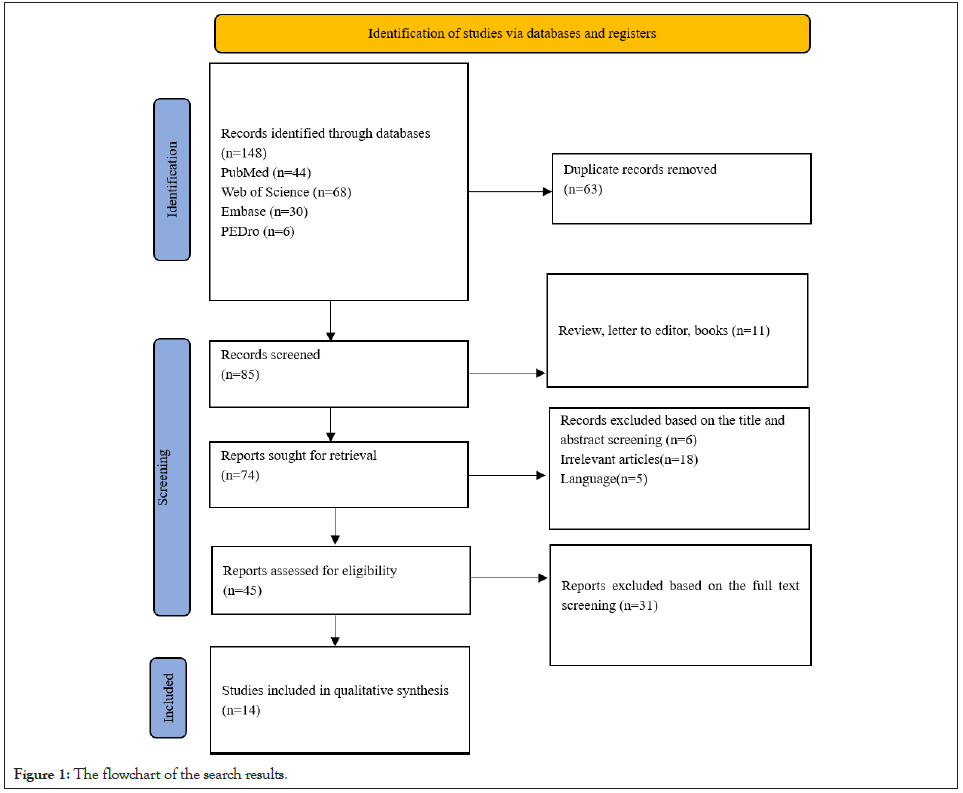
Figure 1: The flowchart of the search results.
Study characteristics
A total of 14 clinical studies investigating shock wave therapy for trapezius myofascial pain syndrome were included. The control groups applied a variety of interventions, including sham treatment, laser therapy, dry needling, taping, ultrasound therapy, and exercise therapy, to evaluate the relative effectiveness of shock wave therapy. These studies involved 876 participants with MTrPs, covering different age ranges, sexes, and symptom durations, in order to explore the therapeutic effects of shock wave therapy.
The included studies were published between 2012 and 2025 and assessed multiple outcomes, primarily the Visual Analogue Scale (VAS), Pressure Pain Threshold (PPT), and Neck Disability Index (NDI). Geographically, the studies originated from six countries: Five from Korea [16-20], two from Egypt [21,22], one from China [23], four from Turkey [24-27], one from Hungary [28], and one from Iran [29]. The detailed characteristics of the included studies are presented in Table 2.
| Author/Year | Country | Sample size (CG, EG) | Gender (Female, Male) | Mean age (years) | Intervention (CG, EG) | Intervention detail | Outcome measures | Conclusion |
|---|---|---|---|---|---|---|---|---|
| Ji, H. M et al (2012) [16] | Korea | n = 22 Group 1: (n = 11) Group 2: (n = 11) |
Female (n = 17) Male (n = 3) |
Group 1: 34.00 ± 15.56 Group 2: 32.82 ± 12.71 |
Group 1: Sham ESWT Group 2: ESWT |
ESWT: 700 impulses to the taut band and 300 impulses surrounding the taut band. 4 treatments in total, 2 per week for 2 weeks Control: 0.001 mJ/mm2, 4 treatments in total, 2 per week for 2 weeks |
Pressure threshold,VAS | Combined ESWT treatment produced clinically meaningful reductions in Pressure threshold, VAS compared with control interventions. |
| Cho,et al (2012) [17] | Korea | n = 36 Group 1: (n = 12) Group 2: (n = 12) Group 3: (n = 12) |
NS | Group 1: 47.67 ± 10.49 Group 2: 47.06 ± 13.53 Group 3: 48.08 ± 12.24 |
Group 1: Stabilization exercise group Group 2: ESWT group Group 3: combined treatment group |
Three times a week over a period of four weeks, 12 treatments in total. | VAS, PPT, NDI, CMS | ESWT reduced pain, increased PPT, and improved NDI and CMS in patients with TMPS. |
| Gur,et al (2013) [24] | Turkey | n = 66 Group 1: (n = 33) Group 2: (n = 33) |
NS | Group 1: 35.07 ± 12.23 Group 2: 37.00 ± 11.51 |
Group 1: US Group 2: ESWT |
US: 5 days a week for 2 weeks, for a total of 10 sessions. ESWT: Three sessions / administered at 3-day intervals. |
TrPs, NHP total, HAM-Anxiety, NPADS, MDGA, PGA | ESWT therapy was more effective in treating myofascial pain syndrome than ultrasound therapy. |
| Király et al. (2018) [28] | Hungary | n = 61 Group 1: (n = 31) Group 2: (n = 30) |
Female (n = 7) Male(n = 54) |
Group 1: 62.62 ± 9.62 Group 2: 57.26 ± 14.31 |
Group 1: Laser therapy Group 2: ESWT |
Laser therapy: once daily in a 3 week period for a total of 15 sessions ESWT: a week for 3 weeks, totalling 3 treatments |
VAS,NDI,quality of life (SF-36) | ESWT is more effective than laser therapy. |
| Lee et al. (2013) [18] | Korea | n = 33 PNF group: (n = 11) ESWT group: (n = 11) TPI group: (n = 11) |
NS | PNF group: 51.92 ± 7.53 ESWT group: 51.92 ± 7.53 TPI group: 52.67 ± 7.58 |
Group 1: PNF Group 2: ESWT Group 3: TPI |
Twice per week for 4 weeks for a total of 8 treatment sessions. | VAS, PPT, CMS, NDI | ESWT reduced degree of pain and improved functioning. |
| Jeon,et al (2012) [19] | Korea | n = 30 Group 1: ESWT (n = 15) Group 2: TPI + TENS (n = 15) |
Female (n = 8) Male(n = 22) |
Group 1: 45 ± 15.46 Group 2: 40.86 ± 13.07 |
Group 1: ESWT Group 2: TPI + TENS |
ESWT was undertaken with 1,500 pulse each time at one week interval totaling 4,500 pulse, TPI for once a week totaling three times and TENS for five times a week totaling three weeks. | VAS,PPT,McGill pain questionnaire,Neck range of motion, | ESWT has been shown to be as effective as TPI + TENS in reducing pain and improving neck range of motion. |
| Lee,et al (2012) [20] | Korea | n = 31 Group 1: ESWT (n = 10) Group 2: TPI (n = 13) Group 3: Control (n = 8) |
Female (n = 27) Male (n = 4) |
Group 1: 48.2 ± 2.0 Group 2: 47.9 ± 7.8 Group 3: 46.5 ± 13.1 |
Group 1: ESWT Group 2: TPI Group 3: Control |
Once a week for two weeks. | VAS, PPT, CMS | ESWT is as effective as invasive TPI methods in the treatment of myofascial pain syndromes. |
| Manafnezhad,et al (2019) [29] | Iran | Group 1: dry needling (n = 35) Group 2: ESWT (n = 35) |
Female (n = 49) Male (n = 21) |
Group 1: 39.2 ± 7.2 Group 2: 37 ± 9.1 |
Group 1: dry needling Group 2: ESWT |
Once a week for a total of three sessions. | NPRS, PPT, NDI | Dry needling and extracorporeal shock wave therapy have similar effects on reducing the symptoms of MTrPs. |
| Åah ,et al (2023) [25] | Turkey | n = 84 Group 1: CPT (n = 29) Group 2: KT (n = 27) Group 3: ESWT (n = 28) |
Female (n = 84) Male (n = 0) |
Group 1: 32.45 ± 9.45 Group 2: 34.37 ± 9.95 Group 3: 33.82 ± 11.10 |
Group 1: CPT Group 2: KT Group 3: ESWT |
CPT: total of 10 sessions (within two weeks) KT: Taped four times (on Mondays and Thursdays for two weeks) ESWT: A total of four sessions (on Mondays and Thursdays in two weeks) |
VAS,NDI,RACE,RACLF | After 1 month of treatment, ESWT had the most positive impact on outcome measures of the three treatments. Thus, ESWT has an advantage over the other two methods (CPT and KT) in the treatment of TMPS. |
| Yalcin (2021) [26] | Turkey | Group 1: ESWT (n = 75) Group 2: KT (n = 82) Group 3:control group (n=05) |
Female (n = 167) Male (n = 95) |
40.4 ± 12.8 Min-Max: 20.0 – 67.0 Median: 38.5 |
Group 1: ESWT + exercise Group 2: KT + exercise Group 3: exercise |
ESWT: three consecutive weeks to the trigger point as 1500 shots per week (total of 4500 shots) KT: Every four days for a total three times in twelve days Exercise: every day for three weeks |
VAS, PPT, NDI | VAS, pain threshold and NDI scores improved more in the ESWT group than in the control and KT groups. |
| Anwar, et al (2022) [23] | China | Group 1: ESWT (n = 15) Group 2: combined (n = 15) Group 3: control group (n=15) |
NS | Group 1: 43.3 ± 9.5 Group 2: 38.3 ± 10.0 Group 3: 38.3 ± 10.0 |
Group 1: ESWT Group 2: shockwave with ultrasound-guided trigger point injection Group 3: standard care |
Group 1: Three times in total (once a week) Group 2: A total of three shockwave and trigger point injections (once a week) Group 3: Repeat treatment every other day for a total of two weeks |
VAS, NDI, Musculoskeletal ultrasound, Shear wave sonoelastography | ESWT led to greater improvements in VAS, NDI, and muscle elasticity (musculoskeletal ultrasound and shear wave sonoelastography) compared with the control group. |
| Candeniz, et al (2023) [27] | Turkey | Group 1: CT (n = 14) Group 2: IASTM (n = 14) Group 3: ESWT (n = 14) |
NS | Group 1(CT) : 35.50 ± 16.32 Group 2 (CT+IASTM): 27.71 ± 8.04 Group 3 (CT+ESWT): 32.43 ± 13.68 |
Group 1: instrument-assisted soft tissue Group 2: mobilization extracorporeal shock wave therapy Group 3: conservative treatment |
CT: 5 times per week for 3 weeks, 15 times in total(CT protocols consisting of hotpack (HP), TENS, US inter ventions, and neck stretching exercises) IASTM: The average duration of the exercises was 5 minutes. A total of 6 exercises (2 per week, 3 days apart) were performed for 3 weeks. ESWT: A total of 6 treatments were performed at 10 Hz for 2000 sessions. |
VAS,PPT,Cervical ROM,NOOS,Hospital Anxiety and Depression Scale(HADS) | ESWT showed greater improvements in VAS, PPT, cervical ROM, NOOS, and HADS compared with the control group. |
| Mohamed, et al (2021) [21] | Egypt | Group 1: ESWT (n = 20) Group 2: INI (n = 20) Group 3: ESWT+ INI (n = 20) |
Female (n = 46) Male (n = 14) |
Group 1: 21.2 ± 1.82 Group 2: 21.5 ± 2.01 Group 3: 21.3 ± 1.83 |
Group 1: ESWT Group 2: INI Group 3: ESWT + INI |
ESWT: Four ESWT treatments, 1.5 bar, 8 Hz, and 1,000 shocks /trigger point with one session per week INI: Ischemic compression (IC), Strain counter-strain (SCS), Muscle energy technique (MET) |
VAS,PPT, NDI,functional disability,sympathetic skin response (SSR),neuromuscular junction response (NMJR) | Combined ESWT treatment more effective than monotherapy. |
| Shamseldeen, et al (2023) [22] | Egypt | Group 1: ESWT (n = 20) Group 2: IASTM (n = 20) |
Female (n = 28) Male (n = 12) |
Group 1: 31.20 ± 4.15 Group 2: 29.10 ± 5.12 |
Group 1: ESWT Group 2: IASTM |
ESWT: 2.0 bars at 15 Hz for 2000 pulses IASTM: Apply submaximal resistance to the UT muscle for about 5 seconds, relax for 3 seconds, then stretch for 15-30 seconds and repeat 4 times. |
VAS,PPT | ESWT effectively alleviated pain and enhanced PPT in patients with upper trapezius myofascial trigger points, indicating improved local muscle sensitivity. |
Note: ESWT: Extracorporeal Shock Wave Therapy, VAS: Visual Analogue Scale, PPT: Pressure Pain Threshold, NDI: Neck Disability Index, CMS: Constant Murley Scale, SE: Stabilization Exercise, US: Ultrasound, HAM-A: Hamilton Anxiety Scale, PGA: Patient Global Assessment, MDGA: Physician’s Global Assessment, NPADS: Neck Pain and Disability Scale, NHP: Nottingham Health Profile,SF-36:Short Form 36 Health Survey Questionnaire, CMS: Constant-Murley Scale, PNF: Proprioceptive Neuromuscular Facilitation, TPI: Trigger Point Injection, NPRS: Numeric Pain Rating scale, KT: Kinesio Taping, CPT: Conservative Physical Therapy, RACE: Restricted Angle of Cervical Extansion, RACLF: Restricted Angel of Cervical Lateral Flexion, TENS: Transcutaneous Electrical Nerve Stimulation, INI: Integrated Neuromuscular Inhibition, IASTM: Instrument-Assisted Soft Tissue Mobilization, CT: Conservative Treatment, HADS: Anxiety and Depression Scale, NS: Not specified
Table 2: Characteristics of the included trials.
Quality assessment results
According to the PEDro scale, the studies by Király, et al. (2018) [28], Anwar, et al. (2022) [23], Ji, H. M et al(2012) [16],Gur,et al (2013) [24],Jeon,et al (2012) [19],Manafnezhad,et al (2019) [29],Yalcin (2021) [26], Mohamed, et al (2021) [21] and Shamseldeen, et al(2023) [22] demonstrated good methodological quality (scores between 6 and 8). Among these, Király, et al. (2018) [28] and Anwar, et al. (2022) [23] received the highest PEDro scores. The most common methodological shortcomings were the lack of blinding of participants, therapists, and assessors. In addition, four studies did not clearly report the use of intention-to-treat analysis. The detailed results of the quality assessment are summarized in (Table 3).
| Study | PEDro | Sum PEDro | ||||||||||
|---|---|---|---|---|---|---|---|---|---|---|---|---|
| 1 | 2 | 3 | 4 | 5 | 6 | 7 | 8 | 9 | 10 | 11 | ||
| Ji, H. M et al(2012) [16] | 1 | 0 | 1 | 0 | 1 | 1 | 1 | 0 | 1 | 0 | 6 | |
| Cho,et al (2012) [17] | 1 | 0 | 1 | 0 | 0 | 0 | 1 | 1 | 1 | 0 | 5 | |
| Gur,et al (2013) [24] | 1 | 1 | 1 | 0 | 0 | 1 | 1 | 0 | 1 | 1 | 7 | |
| Király et al (2018) [28] | 1 | 1 | 1 | 0 | 0 | 1 | 1 | 1 | 1 | 1 | 8 | |
| Lee et al (2013) [18] | 1 | 0 | 1 | 0 | 0 | 0 | 1 | 1 | 1 | 0 | 5 | |
| Jeon,et al (2012) [19] | 1 | 0 | 1 | 0 | 0 | 0 | 1 | 1 | 1 | 1 | 6 | |
| Lee,et al (2012) [20] | 1 | 0 | 1 | 0 | 0 | 0 | 1 | 1 | 1 | 0 | 5 | |
| Manafnezhad,et al (2019) [29] | 1 | 0 | 1 | 0 | 0 | 1 | 1 | 0 | 1 | 1 | 6 | |
| Åah ,et al (2023) [25] | 1 | 0 | 1 | 0 | 0 | 0 | 1 | 0 | 1 | 1 | 5 | |
| Yalcin (2021) [26] | 1 | 0 | 1 | 0 | 0 | 0 | 1 | 1 | 1 | 1 | 6 | |
| Anwar et al (2022) [23] | 1 | 1 | 1 | 0 | 0 | 1 | 1 | 1 | 1 | 1 | 8 | |
| Candeniz,et al(2023) [27] | 1 | 1 | 1 | 0 | 0 | 0 | 1 | 1 | 1 | 1 | 7 | |
| Mohamed, et al (2021) [21] | 1 | 1 | 1 | 0 | 0 | 0 | 1 | 1 | 1 | 1 | 7 | |
| Shamseldeen, et al(2023) [22] | 1 | 0 | 1 | 0 | 0 | 1 | 1 | 1 | 1 | 1 | 7 |
PEDro items: 1 Eligibility criteria; 2 Random allocation; 3 Concealed allocation; 4 Comparability at baseline; 5 Patient blinding; 6 Therapist blinding; 7 Assessor blinding; 8 At least 85% follow-up; 9 Intention to treat analysis; 10 Between-group statistical comparisons; 11 Point measures and measures of variability.
Table 3: The result of PEDro scale
In all included studies, the intervention groups received shock wave therapy, while the control groups were treated with various alternative interventions, including sham therapy, laser therapy, dry needling, taping, ultrasound therapy, and exercise therapy. Specifically, in two studies, the control groups received exercise therapy [17,26], in one study, sham treatment was applied [16], in one study, ultrasound therapy was used [24], and in one study, laser therapy was administered [28].
The duration of the interventions varied across studies. In most trials, the treatment period lasted 2 weeks [16,19,20,24,25]. One study had a shorter duration of only 1 week with three treatment sessions [29], while the longest interventions were reported in the studies by Cho, et al. (2012) [17] and Lee, et al. (2013) [18], both lasting 4 weeks. Moreover, there was considerable heterogeneity in SWT protocols across studies. The number of impulses ranged from 1,000 to 4500 per session, treatment frequency varied from one to three sessions per week, and total treatment duration ranged from 1 to 4 weeks. Both focused and radial SWT were used. Such variability in stimulation parameters, frequency, and treatment duration may have contributed to differences in therapeutic outcomes and limits the comparability across studies
Therapeutic effects
Among the 14 studies included in this systematic review, the therapeutic effects of SWT for MPS were comprehensively evaluated. Regarding pain outcomes, 12 studies reported changes in the VAS, of which 11 (92%) demonstrated that SWT significantly reduced pain scores (p< 0.05). For functional assessment, 8 studies utilized the NDI, and the results consistently showed significant improvements in functional status, with SWT proving superior to control interventions. Additionally, among the 10 studies assessing PPT, 7 (70%) reported significant increases (p<0.05). Safety reporting was inconsistent among the included studies. Several trials reported no adverse events associated with SWT, whereas others did not provide information regarding safety outcomes.
With respect to safety, safety was not systematically assessed in all included trials. While most studies reported no adverse events related to SWT, detailed safety evaluations were rarely described. These findings collectively confirm both the effectiveness and safety of SWT in the treatment of TMPS. It is noteworthy that methodological heterogeneity was observed across the included studies, mainly in three aspects: (1) Treatment parameters, such as energy intensity, treatment frequency, and total number of sessions, (2) Control interventions, which included sham shock wave therapy, conventional physical therapy, and pharmacological treatments, and (3) Follow-up duration, ranging from immediate post-treatment evaluation to longer term follow up. These variations highlight the need for future research to further optimize therapeutic protocols and establish standardized treatment parameters.
When stratified by comparator type, studies comparing SWT with sham or placebo treatment consistently showed significant improvements in pain and function, confirming the direct therapeutic effect of SWT beyond placebo response. In contrast, studies comparing SWT with conventional physical therapies (such as ultrasound, taping, or exercise therapy) reported comparable outcomes, suggesting that SWT offers similar or slightly superior benefits while providing a non-invasive treatment option. When stratified by control type, SWT showed consistent pain and functional improvement compared with both passive and active comparators. Trials combining SWT with other therapies (e.g., exercise or injection) also demonstrated beneficial effects.
This systematic review synthesized evidence from 14 clinical studies to comprehensively evaluate the efficacy and safety of SWT for TMPS. The findings indicate that SWT demonstrates significant benefits in reducing pain and improving functional status, while maintaining a favorable safety profile. These results provide strong and clinically relevant evidence supporting the therapeutic potential of SWT in TMPS rehabilitation. The results of this review partially support the use of SWT as an effective non-pharmacological treatment option for TMPS, particularly for patients who are intolerant to medications, unwilling to undergo invasive procedures, or suffering from chronic pain with multiple comorbidities.
The control interventions across the included studies varied widely, encompassing sham treatment, laser therapy, dry needling, taping, ultrasound and conventional rehabilitation. It is worth noting that the therapeutic effects of SWT varied according to the comparator type. Specifically, SWT demonstrated more pronounced improvements in pain and functional outcomes compared with sham or placebo interventions, indicating a clear physiological effect beyond placebo mechanisms. However, when compared with conventional physical therapies (ultrasound, dry needling, or exercise therapy), the differences were less distinct, suggesting that SWT may provide comparable efficacy with the advantage of being non-invasive and well-tolerated. Despite these differences, most studies reported greater improvements in core outcomes such as the VAS, PPT, and NDI in the SWT groups, suggesting potential advantages of SWT in clinical pain management. Overall, these findings highlight that SWT may serve as an effective and safe alternative or adjunct to existing physical therapy modalities for TMPS management.
In addition, 7 out of 10 studies reported significant improvements in PPT [17-19,21,22,26,27], indicating that SWT may enhance pain tolerance, potentially through regulating peripheral nerve sensitivity and local muscle tone. By suppressing the hyperexcitability of C-fibers and modulating both peripheral and central nociceptive pathways, SWT may desensitize TMPS, thereby disrupting the pathological cycle of muscle contraction and pain feedback [30-32]. Notably, some studies observed that the therapeutic benefits persisted for several months post-treatment, suggesting that SWT may provide sustained medium to long term effects [16,33]. In terms of functional improvement, eight studies used the NDI for evaluation, and the results consistently indicated that SWT effectively enhanced patients’ functional status, improved cervical shoulder mobility, and increased quality of daily life. This finding suggests that the benefits of SWT are not limited to short term analgesia but may also promote functional recovery by relieving local muscle tension, improving joint range of motion, and modulating neuromuscular control [34,35,36]. This highlights the potential of SWT to address both pain relief and functional restoration, which are key rehabilitation goals for TMPS.
In addition, several studies employed multidimensional assessment tools such as the NPADS and the NPRS, which further validated the clinical efficacy of SWT in improving patients’ quality of life from different perspectives [21,37,38]. Collectively, these results support SWT as an integrated intervention that combines pain relief with functional restoration, showing great potential for application in the rehabilitation of TMPS. Beyond the primary outcomes, some studies also assessed secondary indicators such as the SF-36 Quality of Life Scale, Disability Index and Hospital Anxiety and Depression Scale (HADS) [27,28]. These measures provide multidimensional evidence for evaluating the therapeutic effects of SWT on TMPS and highlight the need for future studies to incorporate more such indicators in order to comprehensively assess the impact of treatment on both physical and psychological health.
Compared with other physical therapy modalities, SWT demonstrates unique advantages. Yalcin (2021) [26] reported that SWT combined with exercise therapy achieved superior outcomes in pain reduction, pressure pain threshold, and disability compared with taping or exercise therapy alone. One study comparing high energy and low energy SWT found that high energy SWT (0.210 mJ/mm2) was more effective in improving NDI and cervical flexion Range of Motion (ROM) than low energy SWT (0.068 mJ/mm2), suggesting greater benefits for functional improvement [39]. When compared with US [40] and dry needling [41], SWT demonstrated comparable efficacy in relieving pain and enhancing cervical functional activity, with the added advantage of being non-invasive relative to dry needling. A systematic review and meta-analysis comparing SWT with laser therapy for musculoskeletal disorders [42] showed that both modalities were similarly effective in improving pain, muscle strength, ROM, and quality of life. However, SWT provided superior short-term functional improvement compared with Low Level Laser Therapy (LLLT), though its effect was inferior to that of High-Intensity Laser Therapy (HILT).
The quality assessment of the included studies showed a median PEDro score of 6 (range: 5-8), indicating an overall good methodological quality. However, it is noteworthy that most studies lacked triple blinding (patients, therapists, and assessors), which may have affected the credibility of the findings to some extent. In addition, four studies did not adopt an intention to treat analysis, potentially introducing bias. Although the overall methodological quality of the included studies was acceptable, the lack of participant, therapist and assessor blinding remains a major source of potential bias, especially given the subjective nature of pain-related outcomes. The absence of blinding and incomplete use of intention-to-treat analysis may have influenced the internal validity and potentially overestimated treatment effects. Future trials should strengthen randomization, blinding, and ITT adherence to improve the reliability and generalizability of results.
The methodological quality of the included studies in this systematic review was variable, with considerable heterogeneity in treatment protocols and a short duration of follow-up across most trials, which represents a major limitation. The limited follow-up periods restrict the ability to evaluate the long term sustainability of SWT’s therapeutic effects. Future studies should address these issues by conducting more high quality, large sample, multicenter randomized controlled trials with extended follow-up periods to better establish the durability of SWT outcomes.
This review has several limitations. First, the included studies exhibited heterogeneity in treatment protocols, SWT parameters, and control interventions, which may have influenced the pooled results. Second, the majority of trials had relatively small sample sizes and short follow up periods, limiting the ability to evaluate long term outcomes. Third, the lack of triple blinding and incomplete application of intention to treat analysis may introduce potential bias. Finally, publication bias cannot be completely excluded.
Overall, current evidence suggests that SWT is an effective and safe physical therapy for the treatment of myofascial pain syndrome. Despite existing methodological limitations and clinical heterogeneity, the body of evidence supports its significant benefits in reducing pain, improving functional status and decreasing tissue sensitivity. clinicians are advised to tailor individualized treatment strategies based on patients’ specific conditions while incorporating the best available evidence. Future high quality research is needed to optimize treatment parameters, confirm long term efficacy and further clarify the mechanisms of action.
J.C.,Z.S.:conceptualization, methodology, data collection, data curation, resources and writing-original draft; Y.B.M: writing-review and editing,visualization and supervision. All authors have read and agreed to the published version of the manuscript.
This research received no external funding.
Thanks to all authors for their hard work on this study.
The authors declare no conflicts of interest.
[Crossref] [Google Scholar] [PubMed]
[Crossref] [Google Scholar] [PubMed]
[Crossref] [Google Scholar] [PubMed]
[Crossref] [Google Scholar] [PubMed]
[Google Scholar] [PubMed]
[Crossref] [Google Scholar] [PubMed]
[Crossref] [Google Scholar] [PubMed]
[Crossref] [Google Scholar] [PubMed]
[Crossref] [Google Scholar] [PubMed]
[Crossref] [Google Scholar] [PubMed]
[Crossref] [Google Scholar] [PubMed]
[Crossref] [Google Scholar] [PubMed]
[Crossref] [Google Scholar] [PubMed]
[Crossref] [Google Scholar] [PubMed]
[Crossref] [Google Scholar] [PubMed]
[Crossref] [Google Scholar] [PubMed]
[Crossref] [Google Scholar] [PubMed]
[Crossref] [Google Scholar] [PubMed]
[Crossref] [Google Scholar] [PubMed]
[Google Scholar] [PubMed]
[Crossref] [Google Scholar] [PubMed]
[Crossref] [Google Scholar] [PubMed]
[Crossref] [Google Scholar] [PubMed]
[Crossref] [Google Scholar] [PubMed]
[Crossref] [Google Scholar] [PubMed]
[Crossref] [Google Scholar] [PubMed]
[Crossref] [Google Scholar] [PubMed]
[Crossref] [Google Scholar] [PubMed]
[Crossref] [Google Scholar] [PubMed]
[Crossref] [Google Scholar] [PubMed]
[Crossref] [Google Scholar] [PubMed]
[Crossref] [Google Scholar] [PubMed]
[Crossref] [Google Scholar] [PubMed]
[Crossref] [Google Scholar] [PubMed]
[Crossref] [Google Scholar] [PubMed]
[Crossref] [Google Scholar] [PubMed]
[Crossref] [Google Scholar] [PubMed]
Citation: Chen J, Shang Z, Ma Y (2026). Efficacy of Shock Wave Therapy for Trapezius Myofascial Pain Syndrome: A Systematic Review. Int J Phys Med Rehabil. 14:777.
Received: 24-Apr-2026, Manuscript No. JPMR-26-41431; Editor assigned: 27-Apr-2026, Pre QC No. JPMR-26-41431 (PQ); Reviewed: 10-May-2026, QC No. JPMR-26-41431; Revised: 17-Jun-2026, Manuscript No. JPMR-26-41431 (R); Published: 24-May-2026 , DOI: 10.35248/2329-9096.26.14.777
Copyright: © 2026 Chen J, et al. This is an open-access article distributed under the terms of the Creative Commons Attribution License, which permits unrestricted use, distribution and reproduction in any medium, provided the original author and source are credited.