
Journal of Clinical & Experimental Dermatology Research
Open Access
ISSN: 2155-9554
ISSN: 2155-9554
Short Communication - (2025)Volume 16, Issue 1
Hidradenitis Suppurativa (HS) is a painful inflammatory dermal condition which involves scarring of tissue and abscess formation with concomitant drainage of pus. There is a notable lack of awareness surrounding the condition and the need for appropriate approaches to wound management and this contributes to delays in patients receiving formal diagnosis from medical professionals. These delays in care may contribute to elevated levels of anxiety and depression often experienced by patients, and the paucity of expert dermatologists in some geographic regions can contribute to a sense of isolation experienced by many. Herein we outline how digital technologies may provide solutions to the care needs of HS patients through combination of peer-peer communication, medical information flow, diagnostic tools, and symptom monitoring. A key enabler of such technologies in sustained patient self-care is motivational framing and we examine the potential for behavioral modeling to optimize engagement.
Hidradenitis suppurativa (also referred to as acne inversa and Verneuil’s disease) is a chronic dermal condition and characterized by formation of abscesses and skin anomalies which result in pus accumulation and drainage [1]. It is a relapsing condition and additional patient symptoms include pain, depression and anxiety. Perceived social stigmas associated with the disease result in many patients resorting to self-isolation during symptom flare episodes [2]. Although therapeutic options for the management of HS are becoming available, a general lack of awareness of the disease and shortage of dermatology experts nationally contributes to under-diagnosis and delayed diagnosis which can exacerbate the sense of isolation experienced by many [3-7]. As a consequence of the nature of the condition, effective engagement and patient care involves dimensions beyond dermatology. Counselling, empathic emotional support and treatment for depression and anxiety are important components, and there exists some concerns among patients that HS is stigmatized by medical professionals and remedies are needed [8-9]. One approach which gained considerable traction during the COVID-19 pandemic is telemedicine, with patients reporting increased satisfaction with remote/digital counselling services [10,11]. Furthermore, HS specific patient support groups emerged through social media channels and now form a valuable, community and peer-peer based component of care [12]. Herein we outline how smartphone technologies might build upon these successes and become a cornerstone of patient support through the myriad functionalities which can be utilized.
The deployment of tele-medical and smartphone technologies for patient care services has been a sustained grand challenge in the mobile health community over the past decade. Commonly regarded as one of the most transformative opportunities at the health-technology interface, growth has been confined to specific areas driven by business dynamics. Whereas over 300,000 health related apps have been developed, only a small percentage have seen sustained use, a presumed consequence of the need to tie human behavior to their functional aspects and user experience offered [13]. A similar conundrum is encountered in the pharmaceutical industry, where patient adherence and persistence rates taking prescribed life-saving medications is often alarmingly low [14]. In an effort to design effective approaches to patient engagement and intervention, incorporating aspects of behavioral psychology into design criteria has become commonplace. One of the most studied models of human behavior is described in the Fogg Behavioral Model (FBM) which teaches that three critical elements (Motivation, Ability and a Prompt) must converge at the same time, in order that a specific behavior will occur [15]. Applied to patient’s own health care, it is easy to conceive of a smartphone providing a digital prompt to a particular action, implying that the content of any app or process should emphasize motivational and capability aspects (Figure 1) [16].
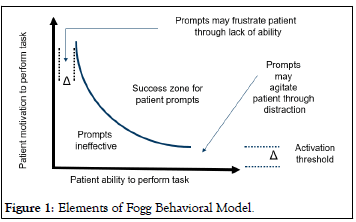
Figure 1: Elements of Fogg Behavioral Model.
In terms of using a smartphone platform for patient support and education, it can be readily seen how peer-peer communication and provision of medical information could meet the three criteria, as most adults are familiar with use of social media platforms if appropriately motivated. This could involve two way video communication (between peers or HCP’s) using the front camera and microphone of the smartphone, chat bots and voice-prompted searches and Chat-GPT messaging (Figure 2) [17,18].
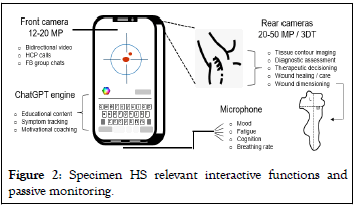
Figure 2: Specimen HS relevant interactive functions and passive monitoring.
There are other, sophisticated technologies however which might provide additional and data intense aspects to symptom and disease management in HS. Firstly, the microphone is able to capture then parse for processing, rich acoustic signals of medical importance. Analysis of speech rate, intonation, prosody and other elements can provide insight to such parameters as mood, fatigue and respiratory rate [19,20]. These signals could be of importance to a health care provider, or form part of a digital composite health diary that patients could use to assess symptoms and disease trajectory over time periods.
Potentially even more powerful are the functions of the rear camera. With resolutions now exceeding 50 megapixels, there is now the very real possibility of using such devices to track dermatological features associated with disease [21,22]. In the case of HS there is evident potential for this technology to play a key role in wound management, which could include detection of adverse events including site infections [23,24]. More generally the technology could be useful for dimensioning and contour mapping which in turn could relate to longitudinal assessment of treatment efficacy and wound healing (Figure 2) [25]. The value of such an approach extends beyond outcome measures as the active engagement of the patient in self-care and in what is a challenging and sensitive arena could help develop tools which sustain best practice for each patient, motivating them for long term benefit as alluded to in the COM-B framework (Figure 1).
The authors are employees of Novartis Pharmaceuticals. Views expressed are those of the authors and Novartis Pharmaceuticals had no influence on the content of the submitted manuscript. References cited were selected using search engines (SciFinder, GoogleScholar) on the basis of scientific relevance, with priority afforded to most recent exemplars. Generative AI was not used in any portion of the manuscript.
Citation: Boucher A, Peters M, Jones G (2025). Digital Solutions to Support Self-Care of Hidradenitis Suppurativa Patients. J Clin Exp Dermatol Res. 16:684.
Received: 10-Dec-2024 Editor assigned: 31-Jan-2025 Reviewed: 14-Feb-2025 Revised: 21-Mar-2025 Published: 28-Feb-2025 , DOI: 10.35841/2155-9554.25.16.684
Copyright: © 2025 Jones G, et al. This is an open-access article distributed under the terms of the Creative Commons Attribution License, which permits unrestricted use, distribution, and reproduction in any medium, provided the original author and source are credited.