
Internal Medicine
Open Access
ISSN: 2165-8048
ISSN: 2165-8048
Research Article - (2025)Volume 15, Issue 1
Objectives: The objective of this study was to identify risk factors for death in the Sepsis-Induced Acute Kidney Injury (SI-AKI) patients requiring Continuous Renal Replacement Therapy (CRRT).
Methods: This was a single-centre, retrospective, observational study that included 108 patients who underwent CRRT between 1 January 2022 and 31 December 2022 in the Intensive Care Unit (ICU) of the affiliated Wuxi people' s Hospital of Nanjing Medical University. The patients were grouped according to the latest guidelines for sepsis and AKI and their clinical characteristics, early outcomes and risk factors for death were statistically analyzed.
Results: Compared to non-SI-AKI patients, the SI-AKI patients were mostly associated with severe cardiac insufficiency (25 (42.4%) vs. 6 (12.2%) cases, P<0.05) and hepatic impairment (34 (57.6%) vs. 13 (6.5%) cases, P<0.05), more intense inflammatory response of the organism (CRP; 119.5 (62.7-193.8) vs. 57.4 (13.3-114.4) mg/L, P<0.05) and started CRRT earlier (Cr; 242 (158-397) vs. 546 (266-823) μmol/L, P<0.05) before CRRT. During CRRT these patients had a high extubation failure rate (21 (35.6%) vs. 8 (13.6%) cases, P<0.05) and Pseudomonas aeruginosa (17 (28.8%) vs. 6 (12.2%) cases, P<0.05) and other pathogenic bacteria (14 (23.7%) vs. 3 (6.1%) cases, P<0.05) had higher rates of infection. Moreover, SI-AKI patients had a 30-day mortality rate 1.8 times higher than that of non-SIAKI patients. Multifactorial analysis suggested that sepsis (HR, 2.794; 95% CI, 1.197-6.523; P<0.05), extubation failure (HR, 4.623; 95% CI, 1.721-12.418; P<0.05) and Acinetobacter baumannii infection (HR, 2.223; 95% CI, 1.130-4.375; P<0.05) were risk factors for death in AKI patients treated with CRRT. Extubation failure (HR, 3.132; 95% CI, 1.131-8.673; P<0.05) and Pseudomonas aeruginosa infection (HR, 2.534; 95% CI, 1.032-6.219; P<0.05) were risk factors for death in patients with SI-AKI who received CRRT treatment.
Conclusions: Attention should be given in clinical practice to early prevention of infection and attempts at extubation whenever possible, which can be effective in reducing the risk and potential threat of death in SI-AKI patients treated with CRRT.
Sepsis; Acute kidney injury; Continuous renal replacement therapy; Infection
Sepsis-Induced Acute Kidney Injury (SI-AKI) is a syndrome of acute functional impairment and organ damage that is associated with poor long-term patient outcomes and can ultimately lead to Chronic Kidney Disease (CKD) or even increase the risk of patient death. SI-AKI is currently considered the leading cause of AKI in the Intensive Care Unit (ICU), severely affecting nearly 50% of patients with severe sepsis. Based on the complex pathogenesis of SI-AKI, Renal Replacement Therapy (RRT) has been used as a specific treatment to protect and improve renal function. However, previous studies have found that the mortality rate of patients treated with Continuous Renal Replacement Therapy (CRRT) while in the ICU was 1.8 times higher than that of patients who did not receive CRRT and that in-hospital and ICU mortality rates in SI-AKI patients increased to 30% and 20%, respectively. Although the short and long-term outcomes of SI-AKI and nonSI-AKI are well recognised, the clinical characteristics, prognostic outcomes and unique risk factors for death in SI-AKI patients undergoing CRRT are not yet fully understood. Therefore, the aim of this study was to investigate the early prognosis and risk factors associated with death in SI-AKI patients treated with CRRT [1].
Study population
This was a single-centre, retrospective, observational study that included a total of 108 patients who underwent CRRT between 1 January 2022 and 31 December 2022 in ICU of The Affiliated Wuxi People' s Hospital of Nanjing Medical University. Patients were grouped according to the latest guidelines for sepsis and AKI to explore the clinical characteristics and outcomes of SIAKI and non-SI-AKI patients. In addition, the early prognosis and risk factors for death in SI-AKI patients treated with CRRT were explored.
The study protocol was reviewed by the ethics committee of our centre, which did not require informed consent due to the anonymous and retrospective nature of the study.
CRRT protocol
The main indications for patients to start CRRT are as follows: Drug-refractory volume overload, electrolyte imbalance, metabolic acidosis, oliguria with progressive azotemia and haemodynamic instability. Decisions about when to start or terminate CRRT and CRRT settings (target clearance, blood flow, dialysate/replacement fluid rate and anticoagulation) were made in consultation and discussion with nephrologists and intensivists. Femoral vein cannulation was preferred, followed by jugular vein. CRRT was initiated with a gradual increase in blood flow to 150 ml/min and a CRRT dose of 35 ml/kg/h-40 ml/kg/h to ensure that a CRRT dose of 35 ml/kg/h was administered [1].
Statistical analysis
Statistical analyses were performed using SPSS 26.0. Normal distribution of measurement data was expressed as mean ± Standard Deviation (SD) and independent samples t-test was used for comparison between groups. skewed variables were expressed as median and interquartile rang and Mann-Whitney U test was used for comparison between groups. Count data were expressed as percentages and comparisons between groups were made using the Chi-square test or Fisher’s exact test. Risk factors for death were analysed using multivariate Cox regression models. survival data were estimated using Kaplan-Meier curves and differences between groups were quantified by Log-rank tests. A two-sided P<0.05 was considered statistically significant.
During the study period, we excluded 2 patients due to age<18 years, 3 patients due to loss of clinical data, 2 patients due to endotracheal intubation before admission to the ICU and 4 patients due to CRRT already performed before admission to the ICU. A total of 108 critically ill patients were enrolled in the study, including 59 SI-AKI patients treated with CRRT and 49 non-SI-AKI patients. Table 1 summarises the clinical characteristics of the two groups of patients and the events that occurred during CRRT. Prior to admission, the two groups of patients were essentially similar in terms of gender, BMI, hypertension and diabetes mellitus (P>0.05), but differed significantly in terms of age, cardiac and hepatic function. SIAKI patients were older (68 (60-78) vs. 60 (51-71) years; P<0.05) and had a combination of severe cardiac insufficiency (25 (42.4%) vs. 6 (12.2%) cases; P<0.05) and liver dysfunction (34 (57.6%) vs. 13 (6.5%) cases; P<0.05).
Based on the laboratory data prior to the start of CRRT, it was suggested that the inflammatory response in SI-AKI patients was nevertheless more intense than in non-SI-AKI patients, with a higher CRP (119.5 (62.7-193.8) vs. 57.4 (13.3-114.4) mg/L; P<0.05) and further impairment of hepatic function on the basis of previous impairment, more prominently in the form of aspartate aminotransferase (62 (28.0-285.0) vs. 37 (12.5-175.5) U/l; P<0.05). Using creatinine levels as a criterion for the timing of CRRT initiation, patients with SI-AKI underwent immediate CRRT treatment early in AKI, whereas patients with non-SI-AKI lagged relatively behind (242 (158-397) vs. 546 (266-823) μmol/ L; P<0.05). SI-AKI patients had an acidic pH (7.35 ± 0.01) vs. (7.39 ± 0.01); P<0.05) and low oxygen saturation (196 (138-322) vs. 314 (217-369) mmHg; P<0.05). In addition, during CRRT, cardiac respiratory arrest occurred in 3 patients in the septic group and in 2 patients in the non-septic group. Septic group had a higher rate of extubation failure (21 (35.6%) vs. 8 (13.6%) cases; P<0.05) and a greater incidence of Pseudomonas aeruginosa (17 (28.8%) vs. 6 (12.2%) cases; P<0.05) and other pathogenic bacteria (14 (23.7%) vs. 3 (6.1%) cases. P<0.05) infections were more prevalent. However, there was no significant difference in the incidence of tracheotomy, lower limb thrombosis and bleeding (gastrointestinal bleeding, airway bleeding, cerebral haemorrhage, etc.) between the two groups (P>0.05) [3].
| Septic (n=59) | Non-septic (n=49) | P | |
| Sex | |||
| Male (n (%)) | 44 (74.6%) | 34 (69.4%) | 0.549 |
| Age (years) | 68 (60-78) | 60 (51-71) | 0.003 |
| BMI (kg/m2) | 23.1 ± 0.4 | 22.2 ± 0.5 | 0.151 |
| Comorbidities | |||
| Hypertension (n (%)) | 37 (62.7%) | 33 (67.3%) | 0.616 |
| Diabetes mellitus (n (%)) | 24 (40.7%) | 18 (36.7%) | 0.676 |
| Nyha IV (n (%)) | 25 (42.4%) | 6 (12.2%) | 0.001 |
| Hepatic dysfunction (n (%)) | 34 (57.6%) | 13 (6.5%) | 0.001 |
| Pre-CRRT | |||
| Laboratory data | |||
| Leukocytes (× 109/L) | 11.0 (8.0-18.0) | 10.7 (7.4-15.3) | 0.476 |
| Neutrophil (× 109/L) | 9.0 (5.9-15.8) | 9.4 (6.5-13.8) | 0.72 |
| Lymphocytes (× 109/L) | 0.7 (0.5-1.2) | 0.5 (0.4-1.0) | 0.03 |
| PLT (× 109/L) | 147 ± 12 | 148 ± 14 | 0.946 |
| Hemoglobin (g/L) | 88 (76-112) | 84 (75-95) | 0.376 |
| C-reactive protein (mg/L) | 119.5 (62.7-193.8) | 57.4 (13.3-114.4) | 0 |
| Creatinine (μmol/L) | 242 (158-397) | 546 (266-823) | 0 |
| Urea (mmol/L) | 20.1 (13.8-30.2) | 19.0 (12.7-33.2) | 0.902 |
| Bilirubin (μmol/L) | 17.3 (10.0-36.7) | 15.7 (8.7-38.1) | 0.702 |
| Alanine aminotransferase (U/L) | 22.5 (12.5-70.4) | 17.9 (10.7-81.2) | 0.655 |
| Aspartate aminotransferase (U/L) | 62 (28.0-285.0) | 37 (12.5-175.5) | 0.047 |
| Arterial blood gas | |||
| pH | 7.35 ± 0.01 | 7.39 ± 0.01 | 0.019 |
| PaO2 (mmHg) | 98.5 (80.1-155.0) | 129 (93.2-165.0) | 0.076 |
| PaCO2 (mmHg) | 35.3 (28.1-44.6) | 34.9 (30.5-39.0) | 0.963 |
| PaO2/FIO2 (mmHg) | 196 (138-322) | 314 (217-369) | 0.001 |
| Lactate (mmol/L) | 2.1 (1.1-3.6) | 1.6 (0.8-4.8) | 0.055 |
| During CRRT | |||
| Mechanical ventilation (n (%)) | 52 (88%) | 48 (98%) | 0.052 |
| Extubation failure (n (%)) | 21 (35.6%) | 8 (13.6%) | 0.024 |
| Tracheostomy (n (%)) | 11 (18.6%) | 6 (12.2%) | 0.363 |
| Atrial fibrillation (n (%)) | 20 (33.9%) | 9 (18.4%) | 0.07 |
| DVT (n (%)) | 13 (22.0%) | 5 (10.2%) | 0.101 |
| Bleed (n (%)) | 24 (40.7%) | 17 (34.7%) | 0.523 |
| Pathogen | |||
| Klebsiella pneumoniaea (n (%)) | 14 (28.6%) | 15 (30.6%) | 0.825 |
| Acinetobacter baumannii (n (%)) | 26 (44.1%) | 14 (28.6%) | 0.097 |
| Pseudomonas aeruginosa (n (%)) | 17 (28.8%) | 6 (12.2%) | 0.036 |
| Staphylococcus (n (%)) | 13 (22.0%) | 6 (12.2%) | 0.183 |
| Mushroom (n (%)) | 14 (23.7%) | 9 (18.4%) | 0.498 |
| Others (n (%)) | 14 (23.7%) | 3 (6.1%) | 0.012 |
|
Note: BMI: Body Mass Index; CRRT: Continuous Renal Replacement Therapy; DVT: Deepvein Thrombosis; Others: Pseudomonas maltophilia, Pseudomonas maltophilia, Burkholderia multivorans, etc. |
|||
Table 1: Characteristics and occurrences of the study population in severe patients treated with CRRT.
Patients in both groups were basically similar (P>0.05) in terms of the total number of CRRT treatments received, total duration, length of hospital stay and recovery of renal function, but SI-AKI patients had a significantly longer duration of mechanical ventilation (11 (4-23) vs. 4 (1-10) days; P<0.05), ICU time (13 (6-25) vs. 8 (5-16) days; P<0.05) were significantly longer than non-SI-AKI patients. Specific information is provided in Table 2. In addition, Figure 1 illustrates the 30-day survival of the patient. SI-AKI patients had a significantly lower 30-day survival rate (39.0%) vs. (71.4%), P<0.05) and the mortality rate was 1.8 times higher than that non-SI-AKI patients [4].
|
|
Septic (n=59) |
Non-septic (n=49) |
P |
|
Time of CRRT (hours) |
62 (20.0-144.0) |
44 (22.5-84.1) |
0.88 |
|
Number of CRRT |
3 (1-6) |
2 (2-5) |
0.209 |
|
Days on mechanical ventilation (days) |
11 (4-23) |
4 (1-10) |
0 |
|
ICU stay (days) |
13 (6-25) |
8 (5-16) |
0.037 |
|
Hospital stay (days) |
19 (10-38) |
24 (16-38) |
0.374 |
|
Renal recovery (n (%)) |
32 (54.2%) |
21 (42.9%) |
0.239 |
|
Note: Renal recovery, normalisation of creatinine levels within 30 days, no CRRT required |
|||
Table 2: The parameters of CRRT treatment and hospitalization in severe patients treated with CRRT.
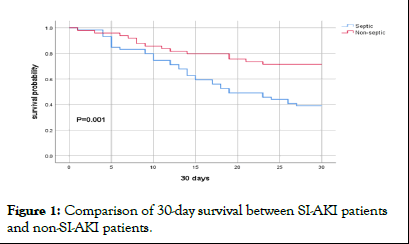
Figure 1: Comparison of 30-day survival between SI-AKI patients and non-SI-AKI patients.
Table 3 shows the results of the multifactorial analysis of COX. Sepsis (HR, 2.794; 95% CI, 1.197-6.523; p<0.05), extubation failure (HR, 4.623; 95% CI, 1.721-12.418; p<0.05) and Acinetobacter baumannii (HR, 2.223; 95% CI, 1.130-4.375; p<0.05) were risk factors for mortality in severe patients treated with CRRT during ICU.
| P | HR | 95% CI | |
| Septic shock | 0.018 | 2.794 | 1.197-6.523 |
| Extubation failure | 0.002 | 4.623 | 1.721-12.418 |
| Acinetobacter baumannii | 0.021 | 2.223 | 1.130-4.375 |
Table 3: Multivariate Cox regression model mortality for severe patients undergoing CRRT treatment.
To further explore the clinical characteristics of septic AKI patients, SI-AKI patients were re-grouped to a total of 23 survivors and 36 non-survivors based on 30-day outcome. Table 4 demonstrates that there was no significant difference between the two groups in terms of gender, age, BMI and co-morbidities (P<0.05). Survivors had low lactate levels (1.5 (0.8-2.8) vs. 2.7 (1.7-4.5) mmol/L; P<0.05) before CRRT, extubation failure (16 (69.6%) vs. 5 (13.9%) cases; P<0.05), tracheotomy (10 (43.5%) vs. 1 (2.8%) cases; P<0.05), Acinetobacter baumannii (15 (65.2%) vs. 11 (30.6%0 cases; P<0.05), Pseudomonas aeruginosa (11 (47.8%) vs. 6 (16.7%) cases; P<0.05) and other pathogenic organisms (9 (39.1%) vs. 5 (13.9%) cases; P<0.05) infections were occurred at a higher rate than in nonsurvivors [5].
|
|
Survivors (n=23) |
Non-survivors (n=36) |
P |
|
Sex |
|||
|
Male (n (%)) |
18 (78.3%) |
26 (72.2%) |
0.603 |
|
Age (years) |
72 (56-77) |
73 (66-77) |
0.663 |
|
BMI (kg/m2) |
22.31 (20.3-24.5) |
23.63 (21.8-25.1) |
0.222 |
|
Comorbidities (n (%)) |
|||
|
Hypertension (n (%) |
14 (60.87%) |
23 (63.89%) |
0.815 |
|
Diabetes mellitus (n (%)) |
11 (47.83%) |
13 (36.11%) |
0.372 |
|
Nyha IV (n (%)) |
9 (39.13%) |
16 (44.44%) |
0.687 |
|
Hepatic dysfunction (n (%)) |
10 (43.48%) |
15 (41.67%) |
0.891 |
|
Pre-CRRT |
|||
|
Laboratory data |
|||
|
Leukocytes (× 109/L) |
11.5 (8.2-14.2) |
11.0 (7.4-19.8) |
0.901 |
|
Neutrophil (× 109/L) |
9.1 (5.6-12.7) |
8.3 (6.4-16.7) |
0.663 |
|
Lymphocytes (× 109/L) |
0.7 (0.5-1.2) |
0.8 (0.6-1.2) |
0.834 |
|
PLT (× 109/L) |
158 ± 17 |
140 ± 16 |
0.474 |
|
Hemoglobin (g/L) |
92 ± 6 |
96 ± 5 |
0.596 |
|
C-reactive protein (mg/L) |
121.6 ± 17.5 |
134.4 ± 13.9 |
0.572 |
|
Creatinine (μmol/L) |
254 (145-469) |
238 (168-357) |
0.963 |
|
Urea (mmol/L) |
19.8 (14.3-37.4) |
19.0 (12.7-32.4) |
0.786 |
|
Bilirubin (μmol/L) |
17.1 (8.3-25.8) |
18.4 (10.6-39.3) |
0.324 |
|
Alanine aminotransferase (U/L) |
23.1 (12.5-63.8) |
20.6 (10.9-172.9) |
0.798 |
|
Aspartate aminotransferase (U/L) |
64.0 (24.0-159.0) |
60.0 (28.8-696.8) |
0.393 |
|
Arterial blood gas |
|||
|
PH |
7.35 ± 0.02 |
7.35 ± 0.01 |
0.868 |
|
PaO2 (mmHg) |
115 (93-161) |
90 (78-134) |
0.104 |
|
PaCO2 (mmHg) |
35 (30-48) |
36 (28-44) |
0.603 |
|
PaO2/FIO2 (mmHg) |
249 (152-345) |
188 (132-293) |
0.202 |
|
Lactate (mmol/L) |
1.5 (0.8-2.8) |
2.7 (1.7-4.5) |
0.004 |
|
During CRRT |
|||
|
Mechanical ventilation (n (%)) |
20 (87.0%) |
32 (88.9%) |
0.823 |
|
Extubation failure (n (%)) |
16 (69.6%) |
5 (13.9%) |
0 |
|
Tracheostomy (n (%)) |
10 (43.5%) |
1 (2.8%) |
0 |
|
Atrial fibrillation (n (%)) |
7 (30.4%) |
13 (36.1%) |
0.653 |
|
DVT (n (%)) |
8 (34.8%) |
5 (13.9%) |
0.059 |
|
Bleed (n (%)) |
10 (43.5%) |
14 (38.9%) |
0.726 |
|
Pathogen |
|||
|
Klebsiella pneumoniaea (n (%)) |
13 (56.5%) |
18 (50.0%) |
0.625 |
|
Acinetobacter baumannii (n (%)) |
15 (65.2%) |
11 (30.6%) |
0.009 |
|
Pseudomonas aeruginosa (n (%)) |
11 (47.8%) |
6 (16.7%) |
0.01 |
|
Staphylococcus (n (%)) |
6 (26.1%) |
7 (19.4%) |
0.548 |
|
Mushroom (n (%)) |
6 (26.1%) |
8 (22.2%) |
0.734 |
|
Others (n (%)) |
9 (39.1%) |
5 (13.9%) |
0.026 |
|
Note: BMI: Body Mass Index; CRRT: Continuous Renal Replacement Therapy; DVT: Deep Vein Thrombosis; Others: Pseudomonas maltophilia, Pseudomonas maltophilia, Burkholderiamultivorans, etc. |
|||
Table 4: Characteristics and occurrences of the study population in SI-AKI patients.
Survivors had longer duration of mechanical ventilation (23 (5-46) vs. 8 (4-16) days; P<0.05), ICU time (30 (10-60) vs. 12 (5-17) days; P<0.05), length of hospital stay (48 (31-92) vs. 13 (5-18) days; P<0.05) and poorer recovery of renal function (17 (73.9%) vs. 16 (44.4%) cases; P<0.05). More details can be seen in Table 5 [6].
|
|
Survivors (n=23) |
Non-survivors (n=36) |
P |
|
Time of CRRT (hours) |
75 (20-275) |
47 (21-131) |
0.189 |
|
Number of CRRT |
4 (1-10) |
3 (1-5) |
0.471 |
|
Days on mechanical ventilation (days) |
23 (5-46) |
8 (4-16) |
0.005 |
|
ICU stay (days) |
30 (10-60) |
12 (5-17)) |
0 |
|
Hospital stay (days) |
48 (31-92) |
13 (5-18) |
0 |
|
Renal recovery (n (%)) |
17 (73.9%) |
16 (44.4%) |
0.026 |
|
Note: Renal recovery, normalisation of creatinine levels within 30 days, no CRRT required |
|||
Table 5: The parameters of CRRT treatment and hospitalization in SI-AKI patients.
In the multifactorial analysis of COX in Table 6, only extubation failure (HR, 3.132; 95% CI, 1.131-8.673; P<0.05) and Pseudomonas aeruginosa infection (HR, 2.534; 95% CI, 1.032-6.219; P<0.05) were risk factors for death in SI-AKI patients treated with CRRT.
|
|
P |
HR |
95% CI |
|
Extubation failure |
0.028 |
3.132 |
1.131-8.673 |
|
Pseudomonas aeruginosa |
0.042 |
2.534 |
1.032-6.219 |
Table 6: Multivariate Cox regression model mortality for SI-AKI patients undergoing CRRT treatment.
In this retrospective cohort study, we sought to describe the differences in clinical characteristics and prognostic outcomes between severe patients requiring CRRT for SI-AKI and those with non-SI-AKI and to explore their risk factors for mortality. We found that before undergoing CRRT, compared to non-SIAKI patients, SI-AKI patients had a more intense inflammatory response and had a higher rate of extubation failures, a higher prevalence of infections with Pseudomonas aeruginosa and other pathogenic organisms and a 30-day mortality rate of up to 1.8 times higher. In addition, sepsis, extubation failure and Acinetobacter baumannii infection were risk factors for death in severe patients treated with CRRT. We also found that extubation failure and Pseudomonas aeruginosa infection were risk factors for death in SI-AKI patients treated with CRRT.
The deleterious inflammatory cascade characterising sepsis also appears to contribute to the development of AKI. If SI-AKI occurs, then mortality cannot be explained by loss of renal function alone, but rather AKI-induced multiorgan dysfunction (including lungs, heart, brain, liver and intestines) contributes to the overall mortality of sepsis-related AKI. Previous studies have demonstrated a significant increase in mortality in SI-AKI patients compared to patients without AKI. Not only that, the mortality rate of patients with sepsis-related AKI was significantly higher than that of AKI of other etiologies. Although Nagata I et al. suggested that there was no significant difference in in-hospital mortality between SI-AKI and non-SIAKI patients treated with CRRT (61.1% vs. 56.3%, P=0.42). At present, there are insufficient data to confirm early outcomes and risk factors for mortality in patients with sepsis undergoing CRRT. On the one hand, we found that early mortality was much higher in SI-AKI patients than in non-SI-AKI patients during CRRT treatment. On the other hand, we confirmed the risk factors for death during CRRT in severe patients and SIAKI patients with, providing certain clinical directions for treatment. In short, our study adds to some extent to the knowledge of SI-AKI in clinical work. This finding suggests that studies focusing on infection prevention and early extubation are essential to effectively reduce the risk of death and potential threats [7].
RRT has been widely used to treat SA-AKI. It is undeniable that the initiation criteria for RRT are still highly controversial. The routine indications for initiating RRT in patients with AKI (refractory acidosis, severe hyperkalaemia, uremia, oliguria/ anuria and volume overload unresponsive to diuretic therapy) have long been recognised and generally accepted by nephrologists and intensivists. Early initiation of RRT in patients with SI-AKI may limit fluid overload, organ damage, which theoretically helps to manage an abnormal host response to infection. Interestingly, there are also advantages to the delayed initiation of RRT, which allows the patient to be stabilised, ensures primarily haemodynamic and respiratory status, reduces potential complications associated with rapid RRT initiation (catheter misalignment, catheter-associated bloodstream infections, haemorrhagic or thrombotic events) and even permits the kidneys to recover on their own and can even prevent RRT from being undertaken. A cohort study of CRRT according to AKI staging suggested that AKI stage 2 in septic AKI patients may be an ideal time for CRRT initiation, reducing 28-day mortality and duration of ventilation. Contrary to their conclusions, we found that the majority of SI-AKI patients who started CRRT treatment at AKI stage 2 still had high mortality rates and could have increased hepatic impairment, adverse events such as pulmonary infections and finally unrecoverable renal function in about 50% of the patients when the disease progressed rapidly. But we have to admit that it is impossible to exclude the influence of the clinical environment, volume overload, electrolyte and acid-base imbalances and elevated inflammatory cytokines on organ function in SI-AKI patients [8].
Our study has several limitations [9]. First, the etiology of SIAKI patients has not been further classified. Second, this was a focused retrospective study, reducing the reliability of the conclusions. Third, the relatively small sample size needs to be interpreted with caution. Finally, more well-designed large-scale trials are still needed to confirm our findings and to further complement the prognostic and mortality risk factors for septic AKI. However, to the best of our knowledge, the present study is one of the few studies exploring early prognostic and mortality risk factors in patients with SI-AKI [10].
In conclusion, attention should be paid to early prevention of infection and early attempts of extubation in clinical practice as a means to effectively reduce the risk of death and improve survival in SI-AKI patients treated with CRRT. A large number of studies are needed to understand the short and long-term outcomes and mortality risks after SI-AKI episodes.
Jing Tian contributed substantially to the study concept and design, data analysis and interpretation. Yan Cao was responsible for data collection, Tao Zhou and Jiayue Zhang were involved in drafting the manuscript and critically revising important intellectual content. Hongyang Xu was involved in key revisions of the manuscript and approval of the final version. All authors have read and agreed to the published version of the manuscript.
None.
Written informed consent from each patient was waived because our study was conducted using anonymized health care data, which met the IRBs minimal risk waiver criteria.
The datasets generated during and/or analyzed during the current study are available from the corresponding author on reasonable request.
The authors declare no conflicts of interest.
[Crossref] [Google Scholar] [PubMed]
[Crossref] [Google Scholar] [PubMed]
[Crossref] [Google Scholar] [PubMed]
[Crossref] [Google Scholar] [PubMed]
[Crossref] [Google Scholar] [PubMed]
[Crossref] [Google Scholar] [PubMed]
[Crossref] [Google Scholar] [PubMed]
[Crossref] [Google Scholar] [PubMed]
[Crossref] [Google Scholar] [PubMed]
Citation: Tian J, Cao Y, Zhou T, Zhang J, Xu H (2025) Early Outcome and Risk Factors for Death in the Sepsis-Induced Acute Kidney Injury Patients Requiring Continuous Renal Replacement Therapy: A Retrospective Study. Intern Med. 15:502.
Received: 05-Jul-2024, Manuscript No. ime-24-32665; Editor assigned: 10-Jul-2024, Pre QC No. ime-24-32665 (PQ); Reviewed: 24-Jul-2024, QC No. ime-24-32665; Revised: 11-Jan-2025, Manuscript No. ime-24-32665 (R); Published: 18-Jan-2025 , DOI: 10.35248/2165-8048.25.15.502
Copyright: © 2025 Tian J, et al. This is an open-access article distributed under the terms of the Creative Commons Attribution License, which permits unrestricted use, distribution and reproduction in any medium, provided the original author and source are credited.