
jct
Open Access
ISSN: 2161-0495
ISSN: 2161-0495
Research Article - (2026)Volume 16, Issue 3
Objective: To evaluate efficacy and safety of WangBi Components (WBC) in the treatment of Rheumatoid Arthritis (RA) using systematic and meta-analysis technique.
Methods: Potentially eligible studies were found from PubMed, Web of Science, China National Knowledge Infrastructure (CNKI), VIP Database for Chinese Technical Periodicals, Wanfang Database on Academic Institutions in China, Chinese Medical Journal Full-text Database, ClinicalTrials.gov and EBSCOhost by a search strategy including the terms "WangBi" and "rheumatoid arthritis" from inception to September 23, 2024. Eligible randomized controlled trials must consist of one group of treatment regimens containing WBC and another group without WBC. Two reviewers independently evaluated the quality of the included studies and extracted materials for bias risk assessment. Finally, Revman 5.4 was used for meta-analysis, and the publication bias was detected by Stata 15.
Results: Finally, 22 RCTs involving 2682 subjects were included; for RA, WBC can improve the overall effective rate, improve the Visual Analog Score (VAS), disease activity of 28 joints (DAS29), reduce CRP, ESR, TNF-α, Rheumatoid Factor (RF), CCP, number of swollen joints, number of painful joints, number of tender joints, duration of morning stiffness, grip strength of both hands and can improve even reduce adverse events. The Egger test for the number of joint tenderness indicated the existence of publication bias.
Conclusion: WBC can improve the symptoms and inflammation levels of patients with RA, but due to the low quality of RCTs, the conclusions should be interpreted with cation and still need to be revised or verified by highquality, large-sample, multicenter clinical trials.
WangBi components; Rheumatoid arthritis; Systematic review; Meta-analysis; Traditional Chinese medicine
Rheumatoid Arthritis (RA) is an autoimmune disease characterized by the immune system attacking the synovial lining of joints throughout the body, leading to joint inflammation. In severe cases, this inflammation may result in permanent joint damage and disability [1]. RA affects approximately 1 in every 200 adults worldwide and is 2 to 3 times more prevalent in women than in men. It can occur at any age, but the peak onset is typically between 50 and 59 years.
The management of RA primarily involves comprehensive treatment strategies aimed at alleviating symptoms and reducing disease severity. Treatment options include Non-Steroidal AntiInflammatory Drugs (NSAIDs), Disease-Modifying AntiRheumatic Drugs (DMARDs), biological agents and corticosteroids. These interventions effectively delay disease progression and provide symptom relief, especially in the early stages of the disease [2]. However, these medications are associated with side effects that can decrease patient compliance,such as gastrointestinal reactions with DMARDs, effects on liver and kidney function and increased susceptibility to infections due to bone marrow suppression [3]. In recent years, Traditional Chinese Medicine (TCM) has shown promising clinical efficacy in treating RA and can help mitigate the adverse effects associated with conventional drugs, offering novel adjunctive treatment options for patients with RA. However, there is a lack of high-quality, evidence-based medical evidence to support these claims.
Drugs containing WangBi Components (WBC) include WangBi capsules, Wengbi granules, Wengbi tang and Wengbi tablets. WangBi capsules, approved by the China Food and Drug Administration (CFDA approval ID: Z20080096), are a TCMbased herbal formula composed of 17 traditional Chinese medicines, including Rehmannia, Dipsacales, Aconite, Guizhi, Epimedium, Radix paeoniae Alba, Anemarrhenae Rhizoma and Safflower [4]. WangBi capsules have demonstrated jointprotective effects in a mouse model of RA, regulating osteoclastosteoblast functions, inhibiting bone destruction and protecting joints [5,6]. Clinically, WBC is primarily used for the treatment of RA [7-9]. However, these trials employ diverse treatment methods and provide evidence of varying quality, which limits their usefulness in guiding treatment decisions for RA. Therefore, this study aims to conduct a comprehensive systematic review and meta-analysis of Randomized Controlled Trials (RCTs) on WBC in the treatment of RA. The objective is to provide clinicians with high-quality evidence to promote the clinical application of WBC in RA, offering valuable adjuvant treatment options for patients.
Protocol
This systematic review was prospectively registered with PROSPERO (CRD42024593668) and reported in accordance with the Meta-analysis of Observational Studies in Epidemiology (MOOSE) reporting guideline 14 and the Preferred Reporting Items for Systematic Reviews and Meta-analyses (PRISMA) reporting guideline 15. This study was exempt from institutional review board approval because it is a systematic review and metaanalysis of existing literature.
Literature search strategy
The databases were searched from their establishment to September 23, 2024. These databases include Pubmed, Web of Science, China National Knowledge Infrastructure (CNKI), VIP Database for Chinese Technical Periodicals, WanFang Database on Academic Institutions in China, Chinese Medical Journal Full-text Database, ClinicalTrials.gov and EBSCOhost for relevant studies.
We conducted electronic searches using exploded Medical Subject Headings (MeSH) terms and various combinations of keywords. The search terms used were: (MeSH "Rheumatoid arthritis" and keywords "rheumatoid arthritis," "rheumatic Diseases," "rheumatoid arthrosis," "arthrosis deformans," "arthritis deformans," "beauvais disease," "rheumatic arthritis," "rheumatic arthrosis," "rheumatoid polyarthritis," "rheumarthritis," "Caplan’s syndrome," "Felty’s syndrome"), "WangBi capsule," "WangBi pill," "WangBi Keli," or "WangBi." Additionally, the reference lists of included textbooks, all retrieved studies, review articles, and reports of academic congresses were manually checked. A comprehensive search strategy is provided in the supplementary material (Figure 1 shows the search method for Pubmed). For the Chinese databases, free text terms were used, such as "WangBi Jiaonang," "WangBi Keli," "WangBi Pian," "WangBi Tang," "WangBi Fang," "Leifengshi Guanjieyan," and "Leifengshi".
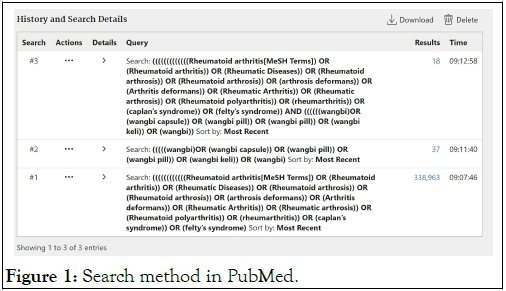
Figure 1: Search method in PubMed.
Inclusion and exclusion criteria
Participants: Patients diagnosed with Rheumatoid Arthritis (RA) using accepted 1987 American Rheumatology Association guidelines or the 2010 ACR/European League Against Rheumatism (EULAR) criteria.
Intervention
• Trial group: WBC drug therapy, which can be combined with other therapies.
• Comparison group: Traditional treatment or other treatments excluding WangBi-containing drugs.
• The duration of treatment was not less than 8 weeks.
Outcomes
• Efficiency: Total efficiency and/or Visual Analog Scale (VAS) and/or Disease Activity Score 28 with Erythrocyte Sedimentation Rate (DAS28-ESR); American College of Rheumatology (ACR) response criteria (ACR20, ACR50 and ACR70).
• Inflammatory indicators: Tumor Necrosis Factor-alpha (TNF-α) and/or Interleukin-6 (IL-6) and/or Erythrocyte Sedimentation Rate (ESR) and/or C-Reactive Protein (CRP).
• Serum factor: Rheumatoid Factor (RF) and/or anti-Cyclic Citrullinated Peptide (anti-CCP).
• Symptom indicators: Number of swollen joints and/or number of painful joints and/or number of tender joints and/or duration of morning stiffness and/or grip strength of both hands.
• Adverse events: Incidence and types of adverse events. The observation indicators in the included studies encompass any one of the above five categories.
Study design: Randomized Controlled Trials (RCTs) investigating the treatment of Rheumatoid Arthritis (RA) with WangBi-containing Components (WBC) were included, regardless of publication status (published or unpublished),source (conferences, lectures) and language. WBC formulations include capsules, tablets, tang, granules and prescriptions. The study protocol was registered with PROSPERO (CRD42024593668).
Exclusion criteria:
•Non-randomized controlled trials (non-RCTs)
•Review articles
•Animal studies
•RCTs where the control group received WBC containing therapy
•Patients with other autoimmune diseases or serious conditions that could influence the results, such as cancer, Disseminated Intravascular Coagulation (DIC), severe heart failure and severe infections
Literature quality evaluation and data extraction
First, two researchers performed a preliminary search and screening in the database according to the search strategy, excluding references irrelevant to WBC in the treatment of rheumatoid arthritis. Then, they independently intensively reviewed the full text according to the inclusion and exclusion criteria and performed literature screening, quality assessment and data extraction. The methodological quality of the RCTs was assessed using the risk of bias assessment tool in the Systematic Reviewer's Handbook recommended by the Cochrane collaboration. The assessments include random assignment methods, assignment concealment, whether participants were blinded, the integrity of outcome data and whether there was bias in selective reporting. Any disagreements during the process were discussed and resolved among all reviewers.
Statistical analysis
The meta-analysis was performed using the Revman 5.4 software, recommended by the Cochrane collaboration. Risk Ratios (RR) or Mean Differences (MD) and their 95% Confidence Intervals (CI) were used as efficacy and safety statistics. The X2 test was employed to evaluate the heterogeneity of the RCTs. If P ≥ 0.1 or I2 ≤ 50%, the studies were considered homogeneous and combined using a fixed-effects model; otherwise, the source of heterogeneity was explored. Outcomes with RCTs ≥ 4 were assessed for publication bias and evidence quality. Publication bias was detected using Stata 15 with Egger method (for both continuous and dichotomous variables) (P>0.1 indicates no publication bias). The evidence quality was assessed using the GRADE tool according to GRADE Handbook.
Literature search results
A total of 427 records were retrieved in the preliminary search. Of these, 122 records were excluded due to duplication. An additional 272 records were excluded based on the title and abstract. After preliminary screening, 11 reports were excluded. Further screening was then conducted according to the inclusion and exclusion criteria, resulting in the final inclusion of 22 record. The literature screening process and results are presented in Figure 2.
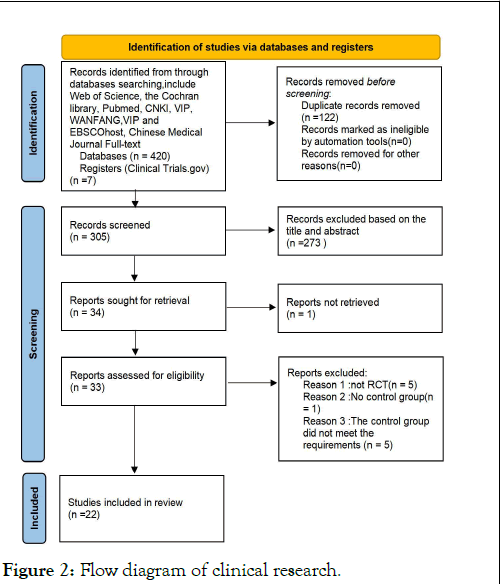
Figure 2: Flow diagram of clinical research.
Description of included trials
The included RCTs comes from China. The details of study characteristics are presented in Table 1.
| Study | Sample size (Female/Male) | Intervention | Mean age (years) | Baseline CRP (mg/L) | Baseline ESR (mm/h) | Relevant outcomes | Duration (weeks) | |||||
| Trial group | Control group | Trial group | Control group | Trial group | Control group | Trial group | Control group | Trial group | Control group | |||
| Zeng, et al. | 40 (14/26) | 40 (12/28) | MTX+HCQ+WangBi tablet | MTX+HCQ | 58.74 ± 5.16 | 58.62 ± 5.09 | 25.73 ± 16.02 | 25.80 ± 15.03 | 72.80 ± 15.33 | 72.91 ± 16.35 | ESR, RF, CRP | 8 |
| Li, et al. | 30 | 30 | MTX+WangBi capsule | MTX | 57.30 ± 14.50 | 51.13 ± 13.54 | - | - | 44.00 ± 32.24 | 44.13 ± 19.57 | ESR, DAS-28, VAS, adverse events | 12 |
| Chen, et al. | 175 (144/31) | 175 (42/33) | MTX+wangbi tablet | MTX+WangBi tablet simulator | 47.28 ± 12.19 | 49.11 ± 11.62 | - | - | - | - | DAS28, ACR20, ACR50 | 12 |
| Yang, et al. | 14 (11/3) | 14 (12/2) | WangBi tables | MTX | 43 | 45 | 1.76 ± 1.57 | 6.53 ± 8.97 | 47.00 ± 25.12 | 49.43 ± 25.38 | CRP, ESR | 8 |
| Kang, et al. | 76 (67/11) | 42 (33/9) | WangBi tables | MTX | 45.58 ± 10.33 | 46.83 ± 10.83 | 29.98 ± 38.87 | 27.82 ± 33.81 | 64.30 ± 26.39 | 60.84 ± 28.63 | CRP, ESR, RF, DAS28, VAS, AC, ACR50, ACR70, adverse events | 8 |
| Gao et al. | 60 (46/14) | 60 (44/16) | WangBi table+yuxuebi capsule | Tripterygium tablet | 50.05 ± 7.19 | 50.38 ± 6.71 | 25.00-35.00 | 26.00-37.25 | 31.00-62.00 | 36.25-71.50 | CRP, ESR, VAS, DAS28 | 24 |
| Mao, et al. | 50 (37/13) | 51 (37/14) | Luosuoluofen table+WangBi table | Luosuoluofen table | 35.50 ± 4.85 | 35.00 ± 4.81 | 31.71 ± 5.08 | 31.98 ± 4.18 | 59.30 ± 10.17 | 61.20 ± 15.06 | Th17, Th17/Treg ratio, ESR, CRP, RF, CCP, IL-6, TNF | 12 |
| Lei, et al. | 66 (47/19) | 22 (15/7) | WangBi table | MTX | 48.15 ± 12.97 | 49.25 ± 12.40 | 17.33 ± 34.57 | 15.61 ± 23.27 | 40.75 ± 28.50 | 42.00 ± 25.12 | CRP. ESR, RF, VAS, morning stiffness time number of joint tenderness | 8 |
| Fan, et al. | 47 (22/25) | 47 (21/26) | WangBi table+MTX | MTX | 42.99 ± 3.57 | 43.07 ± 3.84 | 69.55 ± 7.24 | -73.19 ± 6.18 | 58.72 ± 4.21 | 55.29 ± 5.84 | CRP, ESR, RF, morning stiffness time, number of joint tenderness | 12 |
| Sun, et al. | 15 (10/5) | 15 (8/7) | WangBi table+MTX | MTX | 43.28 ± 7.45 | 43.84 ± 6.73 | 16.63 ± 7.14 | 15.61 ± 7.36 | 41.96 ± 24.63 | 42.12± 25.15 | CRP, ESR, RF | 8 |
| Lei, et al. | 180 | 180 | WangBi table+MTX | MTX+simulants | - | - | - | - | - | - | DAS28,number of joint tenderness, number of joint swelling, ACR20, ACR50, VAS | 12 |
| Shuai, et al. | 24 (2/22) | 24 (1/23) | WangBi table+MTX | MTX+simulants | 55.50 ± 10.94 | 51.48 ± 10.71 | 19.67 ± 16.66 | 20.78 ± 13.93 | 32.72 ± 27.24 | 31.78± 25.68 | CRP, ESR, CCP, DDK-1, DAS28-ESR, Sharp score, morning stiffness time | 24 |
| Li, et al. | 50 (42/8) | 50 (38/12) | WangBi table+MTX | MTX+LEF | 49.20± 20.30 | 52.50 ± 22.30 | 69.56 ± 25.18 | 73.21 ± 13.56 | 58.73 ± 23.15 | 55.29 ± 22.67 | CRP, ESR, RF, morning stiffness time, Number of joint pain, number of joint swelling | 12 |
| Wu, et al. | 49 (39/10) | 47 (40/7) | WangBi capsule+MTX | MTX+simulants | 53.10 ± 10.88 | 50.60 ± 11.15 | 0.00-58.20 | 0.10-78.70 | 2.00-112.00 | 4.00-103.00 | CRP, ESR, RF, ACPA VA number of joint pain, number of joint swelling, DAS28-ESR | 12 |
| Fu, et al. | 130 (69/61) | 130 (64/66) | WangBi capsule+MTX | MTX | 44.12 ± 4.08 | 43.73 ± 3.71 | 25.14 ± 5.25 | 24.93 ± 5.58 | 33.61 ± 6.42 | 32.59 ± 7.17 | CRP, ESR, IL-8, TNF, COX-2, M-CSF, adverse events | 24 |
| Bai, et al. | 65 (53/12) | 65 (54/11) | WangBi capsule+IGU | IGU | (40.85 ± 11.17) | 41.39 ± 10.94 | 28.34 ± 7.71 | 27.22 ± 7.45 | 55.47 ± 14.34 | 56.52 ± 12.55 | CRP, ESR, RF, CCP, TNF, IL-6, IL-17, TH17/Treg | 12 |
| Zhang, et al. | 42 (24/18) | 42 (25/17) | WangBi capsule | Kunmingshanhaitang capsule | 43.44 ± 11.94 | 42.91 ± 10.78 | 42 | 42 | 48. 39 ± 11.08 | 49.34 ± 13.22 | CRP, ESR, RF, adverse events, morning stiffness time Number of joint pain, number of joint swelling | 12 |
| Tang, et al. | 100 (60/40) | 100 (57/43) | WangBi tang | MTX+IE | 54.3 ± 10.6 | 52.70 ± 10.10 | - | - | 55.8 ± 15.30 | 53.00 ± 13.90 | ESR, RF, adverse events, | 8 |
| Han, et al. | 53 (30/23) | 52 (31/21) | DMARDs+Ppaidu Wang Bi tang | DMARDs+acupuncture | 61.97 ± 8.33 | 62.89 ± 8.33 | 20.97 ± 4.37 | 21.23 ± 4.25 | 58.77 ± 19.32 | 60.89 ± 18.54 | CRP, ESR, RF, DAS28, morning stiffness time, Number of joint pain, number of joint swelling | 8 |
| Zhang, et al. | 50 (25/25) | 50 (27/23) | Pidu WangBi tang+voltaren | Voltaren | 45.80 ± 5.50 | 45.20 ± 6.50 | - | - | - | - | Number of joint pain, number of joint swelling, walking time, hand grip strength, morning stiffness time, TNF, IL-1B, VEGF | 8 |
| Leng, et al. | 37 (19/18) | 37 (20/17) | Pidu WangBi tang+voltaren | Voltaren | 45.30 ± 4.96 | 45.41 ± 0.56 | - | - | - | - | TNF, IL-1B VEGF, CCP, adverse events | 8 |
| Jiang, et al. | 34 (-/-) | 26 (-/-) | MTX+WangBi table | MTX | - | - | - | - | - | - | Adverse events, total efficacy | 24 |
| Note: MTX: Methotrexate; HCQ: Hydroxychloroquine; RF: Rheumatoid Factor; ESR: C-reactive protein; LEF: Leflunomide; IGU: Iguratumod; IE: Indomethacin Enteric; DMARDs: Disease-Modifying Antirheumatic Drugs; DAS28-ESR: Disease Activity Score for 28 joints based on Erythrocyte Sedimentation Rate; VAS: Visual Analogue Scale; ACR20, ACR50 and ACR70 are evaluation criteria for the treatment of Rheumatoid Arthritis (RA), developed by the American College of Rheumatology (ACR). These criteria are used to measure the degree of improvement in the symptoms of RA patients with treatment. ACR20: Refers to a 20% improvement in the number of swollen joints and tenderness and a 20% improvement in at least 3 of the following 5 items: The patient's self-evaluation of pain, the patient's self-evaluation of the current overall condition of the disease, the doctor's score of the patient's overall disease condition, the health questionnaire score, and the acute phase reactant index. ACR50: Defined by the same criteria, but requiring patients to achieve 50% relief improvement. ACR70: Also based on a 70% improvement in at least 3 of the 5 indicators. CCP: anti cycliccitrullinated peptide antibody, M-CSF: Macrophage colony stimulating factor, COX-2: cyclooxygenase 2, VEGF: Vascular endothelial growth factor | ||||||||||||
Table 1: The details of study characteristics.
Risk of bias assessments
The RCTs were assessed by “risk of bias” assessment tools. The summary and graph of risk of bias were shown in Figures 3 and 4.
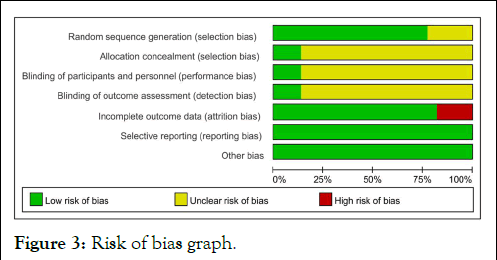
Figure 3: Risk of bias graph
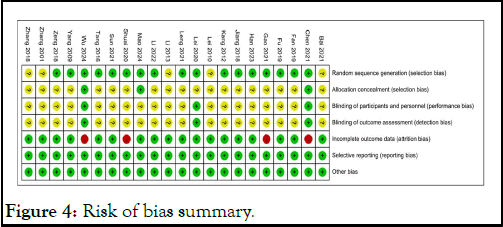
Figure 4: Risk of bias summary.
Random sequence generation and allocation concealment: Seventeen RCTs were assessed as low risk of bias because they described the method of random sequence generation. Other RCTs were assessed as unclear risk of bias because they did not describe the random sequence generation method. Three RCTs described allocation concealment, other RCTs did not describe whether allocation concealment was performed and were therefore assessed at unclear risk of bias.
Blinding, incomplete outcome dada and selective reporting: Two studies adopted a completely randomized design, openlabel, parallel-controlled, multicenter trial and were therefore rated as low risk. The remaining studies were not mentioned and were rated as unclear. Four RCTs had missing data and while the reasons for the missing data were explained, appropriate statistical methods were not described, leading to their assessment as having a high risk of bias. All RCTs reported their prespecified outcomes and were assessed as low risk of bias in the “selective reports” domain.
Other potential bias: Other sources of bias were not observed in all RCTs, so, the risks of other bias of the RCTs were low.
Meta-analysis of WBC traditional Chinese medicine in the treatment of RA
Efficacy indicators
Efficacy indicators include total efficacy, VAS, DAS28-ESR.
Total efficacy: Among the included studies 15 reported the total effective rate. Heterogeneity analysis suggested low heterogeneity among RCTs (I2=0%, P=0.45) and a fixed-effects model used. The results showed compared with the control group, the total efficacy of the WBC was higher (WMD=1.20 95% CI (1.14, 1.26), P<0.00001) (Figure 5a). The results of publication bias shows that it was less likely to have publication bias (P=0.293) (Figure 6a).
VAS: Five studies reported the VAS. Heterogeneity analysis suggested high heterogeneity among RCTs (I2=65%, P=0.02) and a random-effects model was used. The results showed that compared with the control group, the VAS of the WBC was lower (WMD=–0.49 95% CI (-9.46, -0.74), P=0.03) (Figure 5b). The results of publication bias test showed that it less was more likely to have publication bias (P=0.11) (Figure 6b).
DAS28-ESR: Seven RCTs reported DAS28-ESR and heterogeneity analysis showed low heterogeneity among RCTs (I2=2%, P=0.41) and fixed-effects model was used. The results that compared with the control group, the DAS28-ESR of the WBC was lower (WMD=-0.48 95% CI (-0.60, -0.37), P P<0.00001) (Figure 5c). The results of publication bias test showed that it less was more likely to have publication bias (P=0.606) (Figure 6c).
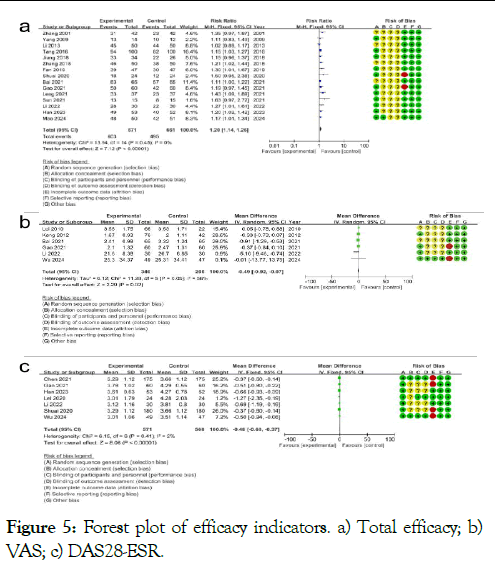
Figure 5: Forest plot of efficacy indicators. a) Total efficacy; b) VAS; c) DAS28-ESR
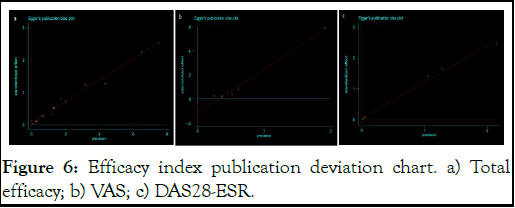
Figure 6: Efficacy index publication deviation chart. a) Total efficacy; b) VAS; c) DAS28-ESR.
Inflammatory indicators
Inflammatory indicators include CRP, ESR, TNF.
CRP: Fourteen studies reported the CRP. Heterogeneity analysis suggested high heterogeneity among RCTs (I2=86%, P<0.00001) and a random-effects model was used. The results showed that compared with the control group, the CRP of the WBC was lower (WMD=–3.87 95% CI (-5.30, -2.43), P<0.00001) (Figure 7a). The results of publication bias test showed that it less was more likely to have publication bias (P=0.618) (Figure 8a).
ESR: Fifteen studies reported the ESR. Heterogeneity analysis suggested high heterogeneity among RCTs (I2=94%, P<0.00001) and a random-effects model was used. The results showed that compared with the control group, the ESR of the WBC was lower (WMD=–7.85 95% CI (-11.76, -3.94), P<0.0001) (Figure 7b). The results of publication bias test showed that it less was more likely to have publication bias (P=0.183) (Figure 8b).
TNF: Five studies reported the TNF. Heterogeneity analysis suggested high heterogeneity among RCTs (I2=100%, P<0.00001) and a random-effects model was used. The results showed that compared with the control group, the TNF of the WBC was lower (WMD=–6.81 95% CI (-12.70, -0.92), P=0.02) (Figure 7c). The results of publication bias test showed that it less was more likely to have publication bias (p=0.385) (Figure 8c).
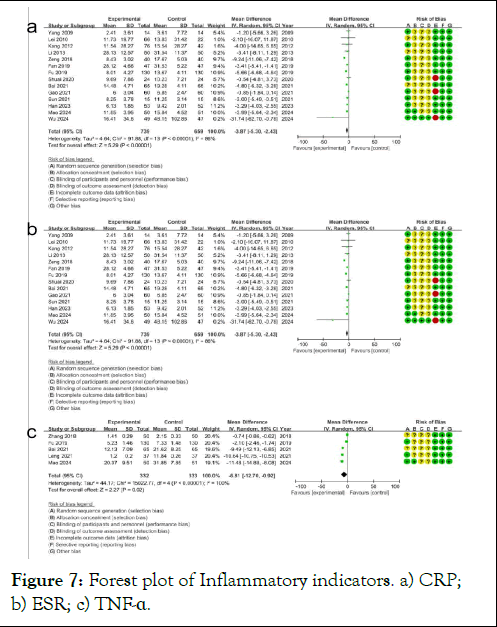
Figure 7: Forest plot of Inflammatory indicators. a) CRP; b) ESR; c) TNF.
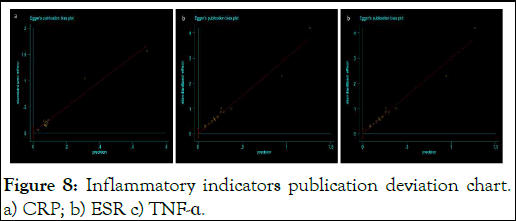
Figure 8: Inflammatory indicators publication deviation chart. a) CRP; b) ESR c) TNF.
Serum factor
Inflammatory indicators include RF, CCP.
RF: Thirteen studies reported the RF. Heterogeneity analysis suggested high heterogeneity among RCTs (I2=94%, P<0.00001) and a random-effects model was used. The results showed that compared with the control group, the RF of the WBC was lower (WMD=–22.04 95% CI (-32.63, -11.45), P<0.00001) (Figure 9a). The results of publication bias test showed that it less was more likely to have publication bias (p=0.232) (Figure 10a).
CCP: Four studies reported the CCP. Heterogeneity analysis suggested high heterogeneity among RCTs (I2=99%, P<0.00001) and a random-effects model was used. The results showed that compared with the control group, the anti-CCP of the WBC was lower (WMD=–7.93 95% CI (-10.29, -5.57), P<0.00001) (Figure 9b). The results of publication bias test showed that it less was more likely to have publication bias (p=0.203) (Figure 10b).
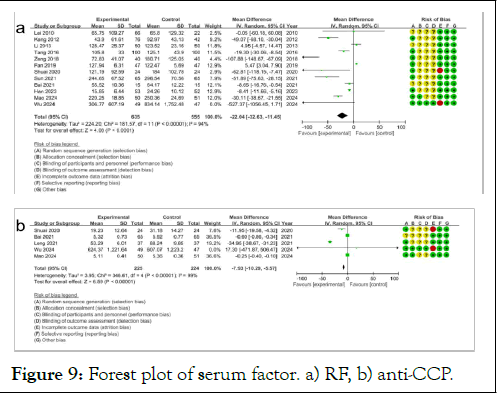
Figure 9: Forest plot of serum factor. a) RF, b) anti-CCP.
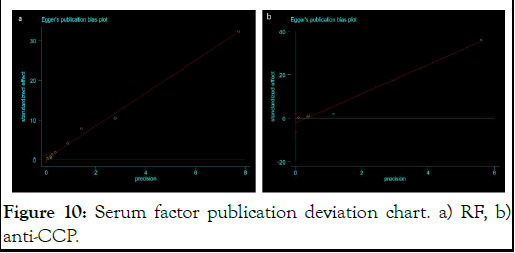
Figure 10: Serum factor publication deviation chart. a) RF, b) anti-CCP.
Symptom indicators
Inflammatory indicators include number of swollen joints, number of painful joints, number of tender joints, duration of morning stiffness, grip strength of both hands.
Number of swollen joints: Fifteen studies reported the number of swollen joints, heterogeneity analysis suggested high heterogeneity among RCTs (I2=86%, P<0.00001) and a randomeffects model was used. The results showed that compared with the control group, the number of swollen joints of the WBC was lower (WMD=–1.22 95% CI (-1.64, -0.45), P<0.00001) (Figure 11a). The results of publication bias test showed that it was less likely to have publication bias (p=0.383) (Figure 12a).
Number of painful joints: Seven studies reported the number of painful joints. Heterogeneity analysis suggested high heterogeneity among RCTs (I2=90%, P<0.00001) and a randomeffects model was used. The results showed that compared with the control group, the number of painful joints of the WBC was lower (WMD=–1.21 95% CI (-1.98, -0.80), P=0.002) (Figure 11b). The results of publication bias test showed that it was less likely to have publication bias (p=0.833) (Figure 12b).
Number of tender joints: Ten studies reported the number of tender joints. Heterogeneity analysis suggested high heterogeneity among RCTs (I2=87%, P<0.00001) and a randomeffects model was used. The results showed that compared with the control group, the number of tender joints of the WBC was lower (WMD=–1.11 95% CI (-1.66, -0.56), P<0.0001) (Figure 11c). The results of publication bias test showed that it was more likely to have publication bias (p=0.072) (Figure 12c).
Duration of morning stiffness: Ten studies mentioned the duration of morning stiffness. Among them, the units of two studies were inconsistent with other studies, so the Standardized Mean Difference (SMD) was used. Then heterogeneity analysis suggested high heterogeneity among RCTs (I2=89%, P<0.00001) and a random-effects model was used. The results showed that compared with the control group, the duration of morning stiffness of the WBC was lower (SMD=–0.70 95% CI (-1.06, -0.35), P<0.0001) (Figure 11d). The results of publication bias test showed that it was less likely to have publication bias (p=0.44) (Figure 12d).
Grip strength of both hands: Five studies mentioned the grip strength of both hands. Among them, the units of one study were inconsistent with other studies, so the Standardized Mean Difference (SMD) was used. Then heterogeneity analysis suggested low heterogeneity among RCTs (I2=0%, P=0.62) and fixed-effects model was used. The results showed that compared with the control group, the grip strength of both hands of the WBC was higher (SMD=0.39 95% CI (0.22, 0.55), P<0.00001) (Figure 11e). The results of publication bias test showed that it was less likely to have publication bias (p=0.802) (Figure 12e).
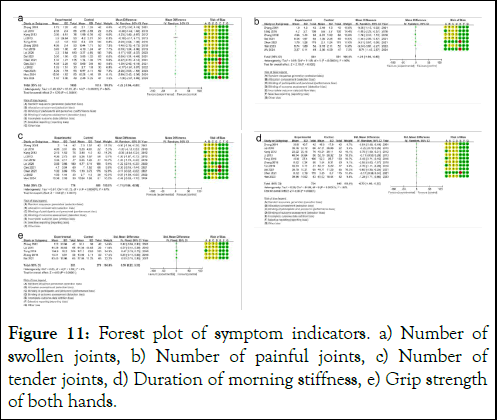
Figure 11: Forest plot of symptom indicators. a) Number of swollen joints, b) Number of painful joints, c) Number of tender joints, d) Duration of morning stiffness, e) Grip strength of both hands.
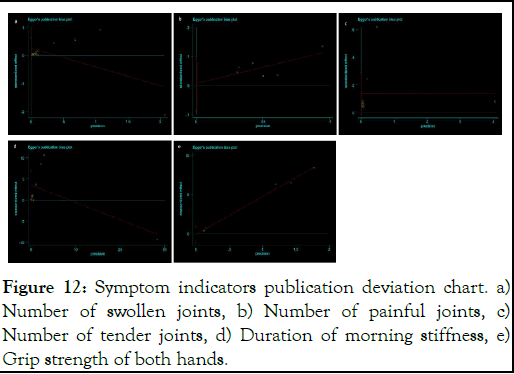
Figure 12: Symptom indicators publication deviation chart. a) Number of swollen joints, b) Number of painful joints, c) Number of tender joints, d) Duration of morning stiffness, e) Grip strength of both hands.
Adverse reactions: Eight RCTs reported adverse events. Patients in yang, et al. there was no obvious adverse reaction in the experimental group. Kang, et al. reported that the adverse events in the experimental group were anorexia, nausea, vomiting, diarrhea and abdominal pain. Fu, et al. reported gastrointestinal reactions, rash, ALT elevation, nausea, vomiting and abdominal pain in the study group. Sun, et al. reported elevated liver enzymes, nausea and thrombocytopenia in the treatment group. In the Zhang, et al. study, the treatment group experienced nausea, vomiting and upper abdominal discomfort. Tang reported gastrointestinal reactions and liver damage in the experimental group. Study Leng showed acid reflux and decreased appetite. The observation group in the Jiang, study experienced mild gastrointestinal discomfort. Fourteen RCTs reported no adverse events during the study period. In all of the trials included, no dropouts were attributed to adverse effects associated with acupuncture treatment.
Heterogeneity analysis suggested high heterogeneity among RCTs (I2=51%, P=0.04) and a random-effects model was used. The results showed that compared with the control group, the adverse events of the WBC were lower (WMD=0.53 95% CI (0.30, 0.93), P=0.03) (Figure 13). The results of publication bias test showed that it less was more likely to have publication bias (p=0.473) (Figure 14).
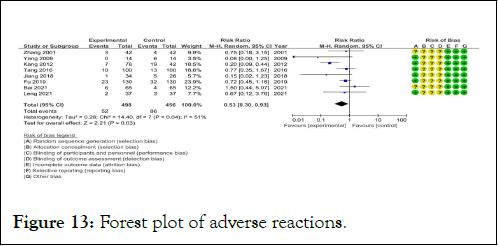
Figure 13: Forest plot of adverse reactions.
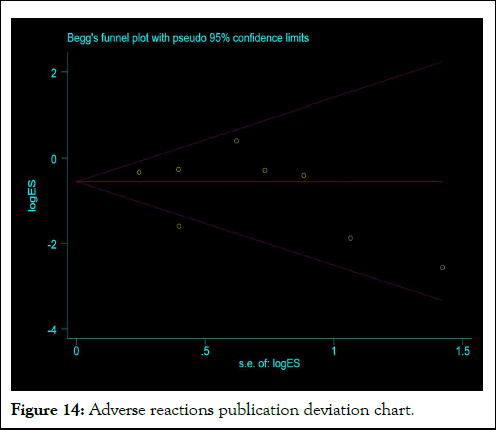
Figure 14: Adverse reactions publication deviation chart.
Source of heterogeneity
Subgroup analysis results: Based on the type of WBC, the results are shown in Table 2. It used duration as the basis for analysis that the results were shown in Table 3.
| Result | Overall effect | Heterogeneity test | Statistical method | Studies (N) | Sample size (N) | ||||
| Outcome | Subgroup | Effect | 95% CI | P | I² (%) | P (Q) | |||
| Efficacy | Capsule | MD=3.82 | (2.12, 6.90) | <0.00001 | 0 | 0.87 | Fixed | 5 | 437 |
| Tablet | MD=2.44 | (1.56, 3.82) | <0.0001 | 0 | 0.72 | Fixed | 6 | 589 | |
| Tang | MD=2.86 | (1.59, 5.15) | 0.0004 | 0 | 0.8 | Fixed | 4 | 328 | |
| VAS | Capsule | MD=-0.75 | (-1.41, -0.09) | 0.03 | 57 | 0.07 | Random | 2 | 406 |
| Tablet | MD=-0.26 | (-0.62, 0.10) | 0.15 | 0 | 0.42 | Random | 2 | 208 | |
| DAS28-ESR | Capsule | MD=-0.46 | (-0.63, -0.28) | <0.00001 | 0 | 0.48 | Fixed | 3 | 530 |
| Tablet | MD=-0.43 | (-0.63, -0.23) | <0.0001 | 25 | 0.26 | Fixed | 3 | 504 | |
| Tang | MD=-0.66 | (-0.93, -0.39) | <0.00001 | - | - | Fixed | 1 | 105 | |
| CRP | Capsule | MD=-4.07 | (-7.43,-0.71) | 0.02 | 94 | <0.00001 | Random | 4 | 606 |
| Tablet | MD=-3.76 | (-5.98, -1.53) | 0.0009 | 78 | <0.0001 | Random | 9 | 206 | |
| Tang | MD=-3.29 | (-4.03, -2.55) | <0.00001 | - | - | Random | 1 | 612 | |
| ESR | Capsule | MD=-8.87 | (-12.37, -5.38) | <0.00001 | 73 | 0.002 | Random | 6 | 750 |
| Tablet | MD=-5.36 | (-12.98, 2.26) | 0.17 | 94 | <0.00001 | Random | 9 | 687 | |
| Tang | MD=-15.25 | (-17.13, 13.38) | <0.00001 | 0 | 0.5 | Random | 2 | 305 | |
| TNF-α | Capsule | MD=-5.67 | (-12.91, 1.56) | 0.12 | 97 | <0.00001 | Random | 2 | 390 |
| Tablet | MD=-11.48 | (-14.88, -8.08) | <0.00001 | - | - | Random | 1 | 101 | |
| Tang | MD=-5.69 | (-15.39, 4.01) | 0.25 | 100 | <0.00001 | Random | 2 | 665 | |
| RF | Capsule | MD=-213.16 | (-654.36, 228.04) | 0.34 | 68 | 0.08 | Random | 2 | 226 |
| Tablet | MD=-24.30 | (-40.86, -7.74) | 0.004 | 94 | <0.00001 | Random | 8 | 659 | |
| Tang | MD=-12.60 | (22.98, -2.21) | 0.02 | 72 | 0.06 | Random | 2 | 305 | |
| CCP | Capsule | MD=-0.6 | (-0.86, -0.34) | <0.00001 | 0 | 0.94 | Random | 2 | 226 |
| Tablet | MD=-5.45 | (-16.85, 5.94) | 0.35 | 89 | 0.003 | Random | 2 | 149 | |
| Tang | MD=-34.95 | (-38.67, -31.23) | <0.00001 | - | - | Random | 1 | 74 | |
| Number of swollen joints | Capsule | MD=-0.77 | (-1.07, -0.48) | <0.00001 | 0 | 0.51 | Random | 5 | 490 |
| Tablet | MD=-1.09 | (-1.76, -0.43) | 0.001 | 92 | <0.00001 | Random | 7 | 1211 | |
| Tang | MD=-1.96 | (-2.49, -1.44) | <0.00001 | 29 | 0.25 | Random | 3 | 405 | |
| Number of painful joints | Capsule | MD=-0.75 | (-1.50, -0.00) | 0.05 | 53 | 0.12 | Random | 3 | 310 |
| Tablet | MD=-0.31 | (-0.57, -0.05) | 0.05 | - | - | Random | 1 | 350 | |
| Tang | MD=-2.07 | (-3.01, -1.13) | <0.0001 | 79 | 0.009 | Random | 3 | 405 | |
| Number of tender joints | Capsule | MD=-1.58 | (-2.98, -0.18) | 0.03 | 82 | 0.02 | Random | 2 | 180 |
| Tablet | MD=-1.01 | (-1.58, -0.45) | 0.0005 | 85 | <0.00001 | Random | 8 | 1295 | |
| Duration of morning stiffness | Capsule | MD=-0.58 | (-0.85, -0.30) | <0.0001 | 0 | 0.83 | Random | 2 | 214 |
| Tablet | MD=-0.36 | (-0.62, -0.11) | 0.005 | 60 | 0.04 | Random | 5 | 750 | |
| Tang | MD=-1.39 | (-2.53, -0.25) | 0.43 | 0 | 0.88 | Random | 3 | 405 | |
| Grip strength of both hands | Capsule | MD=0.46 | (0.19, 0.73) | 0.0009 | 0 | 0.72 | Fixed | 2 | 214 |
| Tablet | MD=0.07 | (-0.41, 0.56) | 0.76 | - | - | Fixed | 1 | 88 | |
| Tang | MD=0.41 | (0.18, 0.64) | 0.0005 | 0 | 0.45 | Fixed | 2 | 300 | |
| Adverse reactions | Capsule | MD=0.80 | (0.40, 0.74) | 0.3 | 0 | 0.53 | Fixed | 3 | 428 |
| Tablet | MD=0.17 | (0.08, 0.36) | <0.00001 | 0 | 0.78 | Fixed | 3 | 206 | |
| Tang | MD=0.75 | (0.37, 1.52) | 0.43 | 0 | 0.88 | Fixed | 2 | 274 | |
Table 2: Subgroup analysis based on type of WBC.
| Outcome | Subgroup | Overall effect | Heterogeneity test | Statistical method | Studies (N) | Sample size (N) | |||
| Effect | 95%CI | P | I2(%) | P (Q) | |||||
| Efficacy | 8 weeks | MD=1.20 | (1.08, 1.33) | 0.0005 | 0 | 0.44 | Fixed | 5 | 423 |
| 12 weeks | MD=1.17 | (1.09, 1.26) | <0.0001 | 40 | 0.14 | Fixed | 6 | 592 | |
| 24 weeks | MD=1.24 | (1.12, 1.36) | <0.0001 | 0 | 0.57 | Fixed | 4 | 339 | |
| VAS | 8 weeks | MD=-0.26 | (-0.62,-0.10) | 0.15 | 0 | 0.42 | Random | 2 | 206 |
| 12 weeks | MD=-2.05 | (-5.07, 0.97) | 0.18 | 43 | 0.17 | Random | 3 | 286 | |
| 24 weeks | MD=-0.37 | (-0.84, 0.10) | 0.12 | - | - | Random | 1 | 120 | |
| DAS28-ESR | 8 weeks | MD=-0.66 | (-0.93, -0.39) | <0.00001 | - | - | Fixed | 1 | 105 |
| 12 weeks | MD=-41 | (-0.56, -0.26) | <0.00001 | 0 | 0.67 | Fixed | 4 | 861 | |
| 24 weeks | MD=-56 | (-0.85, -0.28) | <0.0001 | 45 | 0.18 | Fixed | 2 | 168 | |
| CRP | 8 weeks | MD=-4.30 | (-7.41, -1.19) | 0.007 | 87 | <0.00001 | Random | 6 | 449 |
| 12 weeks | MD=-4.11 | (-5.10, -3.11) | <0.00001 | 0 | 0.75 | Random | 4 | 425 | |
| 24 weeks | MD=-3.00 | (-6.98, 0.98) | 0.14 | 94 | <0.00001 | Random | 4 | 524 | |
| ESR | 8 weeks | MD=--11.41 | (17.32, -5.50) | 0.0002 | 89 | <0.00001 | Random | 7 | 649 |
| 12 weeks | MD=-6.07 | (-12.45, 0.30) | 0.06 | 94 | <0.00001 | Random | 7 | 665 | |
| 24 weeks | MD=-3.60 | (-7.90,0 .69) | 0.1 | 80 | 0.007 | Random | 3 | 428 | |
| TNF-α | 8 weeks | MD=-10.64 | (-10.75, -10.53) | <0.00001 | - | - | Random | 1 | 74 |
| 12 weeks | MD=-7.11 | (-14.79, 0.56) | 0.07 | 98 | <0.00001 | Random | 3 | 331 | |
| 24 weeks | MD=-2.10 | (-2.46, -1.74) | <0.00001 | - | - | Random | 1 | 260 | |
| RF | 8 weeks | MD=-25.65 | (-39.86, -11.44) | 0.0004 | 88 | <0.00001 | Random | 6 | 621 |
| 12 weeks | MD=-16.61 | (-38.15, 4.92) | 0.13 | 95 | <0.00001 | Random | 5 | 521 | |
| 24 weeks | MD=-62.81 | (-118.15, -7.47) | 0.03 | - | - | Random | 1 | 48 | |
| CCP | 8 weeks | MD=-34.95 | (-38.67, -31.23) | <0.00001 | - | - | Random | 1 | 74 |
| 12 weeks | MD=-0.40 | (-0.71, -0.10) | 0.01 | 62 | 0.07 | Random | 3 | 327 | |
| 24 weeks | MD=-11.95 | (-19.58, -4.32) | 0.002 | - | - | Random | 1 | 48 | |
| Number of swollen joints | 8 weeks | MD=3.59 | (-2.80, 9.97) | 0.27 | 100 | <0.0001 | Random | 6 | 707 |
| 12 weeks | MD=-0.99 | (-5.32, 3.34) | 0.65 | 100 | <0.0001 | Random | 8 | 1279 | |
| 24 weeks | MD=-1.30 | (-2.42, -0.18) | 0.02 | - | - | Random | 1 | 120 | |
| Number of painful joints | 8 weeks | MD=-2.06 | (-2.99, -1.13) | <0.0001 | 78 | 0.01 | Random | 3 | 405 |
| 12 weeks | MD=-0.58 | (-1.09, -0.07) | 0.03 | 61 | 0.05 | Random | 4 | 660 | |
| Number of tender joints | 8 weeks | MD=-0.44 | (-1.00, 0.12) | 0.13 | 0 | 0.33 | Random | 2 | 206 |
| 12 weeks | MD=-1.03 | (-1.65, -0.40) | 0.0011 | 87 | <0.00001 | Random | 7 | 1149 | |
| 24 weeks | MD=-2.30 | (-3.16, -1.44) | <0.00001 | - | - | Random | 1 | 120 | |
| Duration of morning stiffness | 8 weeks | MD=--1.01 | (-1.70, -0.33) | 0.004 | 93 | <0.00001 | Random | 5 | 611 |
| 12 weeks | MD=-0.40 | (-0.64, -0.16) | 0.001 | 58 | 0.05 | Random | 5 | 758 | |
| Grip strength of both hands | 8 weeks | MD=0.35 | (0.14, 0.55) | 0.001 | 4 | 0.35 | Fixed | 3 | 388 |
| 12 weeks | MD=0.46 | (0.19, 0.73) | 0.0009 | 0 | 0.72 | Fixed | 2 | 214 | |
| Adverse reactions | 8 weeks | MD=0.33 | (0.10, 1.03) | 0.06 | 72 | 0.01 | Random | 4 | 447 |
| 12 weeks | MD=0.79 | (0.52, 1.2) | 0.27 | 0 | 0.54 | Random | 3 | 474 | |
| 24 weeks | MD=0.15 | (0.02, 1.23) | 0.08 | - | - | Random | 1 | 60 | |
Table 3: Subgroup analysis based on WBC intervention time.
Sensitive analysis results: For CCP, the results changed significantly after removing Mao et al., and Bai et al. and Leng et al., suggesting that results that this RCT may be the source of heterogeneity (Figure 15a). For number of painful joints, the results changed significantly after removing Chen et al., suggesting that results that this RCT may be the source of heterogeneity (Figure 15b). For total efficacy, VAS, DAS28-ESR, CRP, ESR, TNF, RF, number of swollen joints, number of tender joints, duration of morning stiffness, grip strength of both hands and adverse reactions no matter which RCTs were removed, it had little effects on the overall results, suggesting that results were stable (Figure 16).
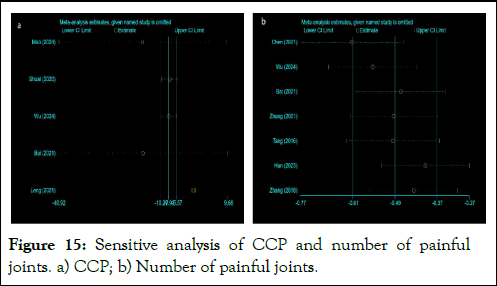
Figure 15: Sensitive analysis of CCP and number of painful joints. a) CCP; b) Number of painful joints.
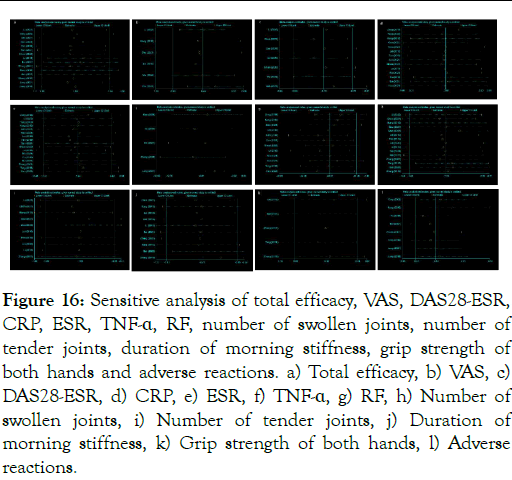
Figure 16: Sensitive analysis of total efficacy, VAS, DAS28-ESR, CRP, ESR, TNF, RF, number of swollen joints, number of tender joints, duration of morning stiffness, grip strength of both hands and adverse reactions. a) Total efficacy, b) VAS, c) DAS28-ESR, d) CRP, e) ESR, f) TNF, g) RF, h) Number of swollen joints, i) Number of tender joints, j) Duration of morning stiffness, k) Grip strength of both hands, l) Adverse reactions.
Meta-regression results: The results of meta-regression showed that the type of WBC intervention was not the source of the heterogeneity in efficacy (P=0.646), VAS (P=0.306), DAS28-ESR (p=0.359), CRP (p=0.848), ESR (p=0.522), TNF (p=0.995), RF (p=0.351), CCP (p=0.103), number of swollen joints (p=0.065), number of painful joints (p=0.111), number of tender joints (p=0.365), duration of morning stiffness (p=0.158), grip strength of both hands (p=0.847), adverse reactions (p=0.631) (Figure 17).
The results of meta-regression showed that the duration of intervention was not the source of the heterogeneity in efficacy (p=0.974), VAS (p=0.937), DAS28-ESR (p=0.899), CRP (p=0.424), ESR (p=0.230), TNF (p=0.300), RF (p=0.695), CCP (p=0.715), number of swollen joints (p=0.652), number of painful joints (p=0.043), number of tender joints (p=0.095), duration of morning stiffness (p=0.197), grip strength of both hands (p=0.558), adverse reactions (p=0.763) (Figure 18).
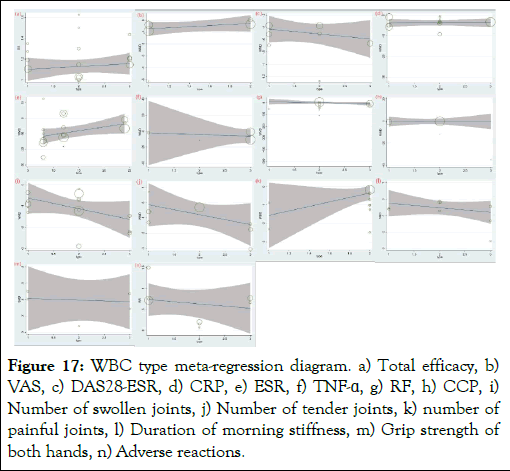
Figure 17: WBC type meta-regression diagram. a) Total efficacy, b) VAS, c) DAS28-ESR, d) CRP, e) ESR, f) TNF-ÃÃÂÂÂÂÃÂÂÂ, g) RF, h) CCP, i) Number of swollen joints, j) Number of tender joints, k) number of painful joints, l) Duration of morning stiffness, m) Grip strength of both hands, n) Adverse reactions.
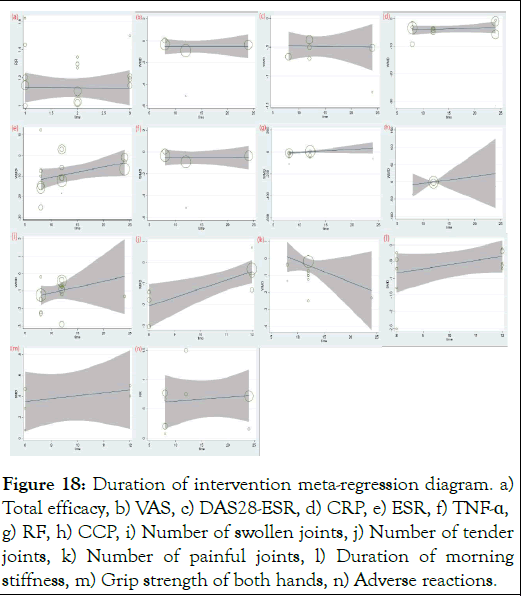
Figure 18: Duration of intervention meta-regression diagram. a) Total efficacy, b) VAS, c) DAS28-ESR, d) CRP, e) ESR, f) TNF, g) RF, h) CCP, i) Number of swollen joints, j) Number of tender joints, k) Number of painful joints, l) Duration of morning stiffness, m) Grip strength of both hands, n) Adverse reactions.
Evidence quality: According to the GRADE handbook, the evidence was judged to be moderate to low (Table 4).
| Outcomes | Absolute risks (95% CI) | Relative effect (95% CI) | No of participants (studies) | Quality of the evidence (GRADE) | Comments |
| Total efficacy | 150 more per 1,000 (from 105 more to 195 more) | RR 1.2 (1.14-1.26) | 1332 (15 studies) | ⊕⊕⊕ Moderatea | |
| VAS | The mean VAS in the intervation groups was 0.49 lower (0.92 lower to 0.07 lower) | 612 (6 studies) | ⊕⊕ Lowa,b | ||
| DAS28-ESR | The mean VAS in the intervation groups was 0.43 lower (0.57 lower to 0.28 lower) | 914 (5 studies) | ⊕⊕⊕ Moderatea | ||
| CRP | The mean CRP in the intervation groups was 3.87 lower (5.3 lower to 2.43 lower) | 1398 (14 studies) | ⊕ Very lowa,b | ||
| ESR | The mean ESR in the intervation groups was 7.85 lower (11.76 lower to 3.94 lower) | 1800 (17 studies) | ⊕ Very lowa,b | ||
| TNF-α | The mean TNF-α in the intervation groups was 6.81 lower (12.7 lower to 0.92 lower) | 665 (5 studies) | ⊕ Very lowa,b | ||
| RF | The mean RF in the intervation groups was 22.04 lower (32.63 lower to 11.45 lower) | 1190 (12 studies) | ⊕⊕ Lowa,b | ||
| CCP | The mean CCP in the intervation groups was 7.93 lower (10.29 lower to 5.57 lower) | 449 (5 studies) | ⊕⊕ Lowa,b | ||
| Number of swollen joints | The mean number of swollen joints in the intervation groups was 1.22 lower (1.64 lower to 0.8 lower) | 2106 (15 studies) | ⊕⊕ Lowa,b | ||
| Number of painful joints | The mean number of painful joints in the intervation groups was 1.21 lower (1.98 lower to 0.45 lower) | 1065 (7 studies) | ⊕⊕ Lowa,b | ||
| Number of tender joints | The mean number of tender joints in the intervation groups was 1.11 lower (1.66 lower to 0.56 lower) | 1475 (10 studies) | ⊕⊕ Lowa,b,c | ||
| Duration of morning stiffness | The mean duration of morning stiffness in the intervation groups was 0.7 lower (1.06 lower to 0.35 lower) | 1369 (10 studies) | ⊕⊕ Lowa,b | SMD –0.70 (-1.06 to -0.35) | |
| Grip strength of both hands | The mean grip strength of both hands in the intervation groups was 0.39 higher (0.22 higher to 0.55 higher) | 602 (5 studies) | ⊕⊕⊕ Moderatea | SMD 0.39 (0.22 to 0.55) | |
| Adverse reactions | 89 fewer per 1,000 (from 132 fewer to 13 fewer) | RR 0.53 (0.30 to 0.93) | 954 (8 studies) | ⊕⊕ Lowa,b | |
| Note: (GRADE Working Group grades of evidence High quality: Further research is very unlikely to change our confidence in the estimate of effect. Moderate quality: Further research is likely to have an important impact on our confidence in the estimate of effect and may change the estimate. Low quality: Further research is very likely to have an important impact on our confidence in the estimate of effect and is likely to change the estimate. Very low quality: We are very uncertain about the estimate. aDowngraded one level due to serious risk of bias (random sequence generation, allocation concealment, blinding, incomplete outcomes) and most of the data comes from the RCTs with moderate risk of bias. bDowngraded one level due to the probably substantial heterogeneity. cDowngraded one level due to potential publication bias). |
|||||
Table 4: Evidence quality of WBC for RA.
WBC exhibit multiple effects on inflammatory arthritis, but no prior studies have utilized evidence-based medicine to analyse these effects. Therefore, this article employs meta-analysis to determine whether different WBC types and intervention times have distinct impacts on the efficacy of WBC in the treatment of RA, thereby conducting a comprehensive analysis of WBC’s efficacy and safety in RA.
According to TCM, RA belongs to the category of “arthritis” and its pathogenesis is still under investigation. Commonly used therapeutic drugs, such as hormones and DMARDs, often have side effects, which can limit their long-term efficacy. TCM, has few side effects, multiple components, multiple targets and multiple pathways, making it a promising therapeutic option for RA. WBC, a TCM-based herbal formula, has been used in China for decades. TCM treatment often advocates "treating different diseases with the same medicine." Due to its immunomodulatory properties, mild efficacy, diverse indications and minimal adverse drug reactions, WBC has been used to treat RA, Osteoarthritis, Traumatic arthritis, Ankylosing Spondylitis (AS) and Lumbar disc herniation. WBC preparations are available in tablet, capsule, tang and granules forms. Recent studies have explained its multiple antiinflammatory and immunomodulatory effects. In animal models of RA, WBC has demonstrated the ability to suppress inflammation. YIN Qiu-ju, et al. found that WangBi granules have a protective effect on the kidneys of RA mice. Since the relevant studies on WangBi granule preparations did not meet the inclusion criteria, they were excluded from this metaanalysis. The mechanism of action of WBC on RA and the results of evidence-based medicine analysis will be further discussed later.
RA is an autoimmune disease characterized by chronic synovial inflammation and progressive joint destruction. It affects approximately 0.5%-1.0% of the global population and is a chronic systemic autoimmune disease characterized by diffuse polyarthritis and pro-inflammatory cytokine infiltration. Miller’s study showed that RA patients’ income is unaffected, but their economic burden increased. Other scholars have also found that RA increase the socioeconomic burden. RA is a chronic autoimmune disease and excessive secretion of inflammatory factors plays a crucial role in the occurrence and development of RA bone destruction. In RA synovium, monocytes produce high concentrations of TNF-É, IL-1β, and IL-6 or can differentiate into inflammatory macrophage (M1) to promote local synovial inflammation, activate Th17 cells and stimulate proliferation. IL-17A can also contribute to RA joint pain, which may be related to the activation of the JAK/STAT pathway and the increased expression of VEGF, leading to upregulation of neuronal activity. IL-1 binds to IL 1R1 and exerts its proinflammatory effect through the NF-κB and activator protein 1 (AP-1) pathways. IL-17A can also participate in the occurrence of RA joint pain, which may be related to the activation of the JAK/STAT pathway and the increase in VEGF expression, leading to upregulation of neuronal activity.
WB capsules have a protective effect on the joints of CollagenInduced Arthritis (CIA) rats and basic molecular mechanism may involve the regulation of genes involved in bone resorption, bone formation and cartilage development (including il-6, Tnfsf11, Ffar2 and Pig, etc.). WangBi tables can downregulate the production of pro-inflammatory cytokines such as TNF-α, IL-6 and IL-17α in the serum of CIA rats, while upregulating the production of anti-inflammatory cytokines such as IL-10. WangBi tables can inhabit osteoclast differentiation mediated by NF-κB and STAT3 signaling pathways, enhance osteoclast function mediated by Wnt/β-catening signaling pathway and prevent bone destruction. Additionally, study have found that the combination of WangBi tablets and methotrexate tablets can significantly reduce the expression level of DDK-1 in RA patients, thereby alleviating the erosion and destruction, which is more advantageous than using methotrexate alone. Recently, Zhang Xinyan, et al. discovered that Weng Bi tablets can upregulate the concentrations of anti-osteoclast factors IL-4 and IL-33 by modulating the RANK/RANKL/OPG signaling pathway, inhabit the inflammatory response and directly or indirectly suppress Osteoclasts differentiation, proliferation and bone resorption function. Through animal experiments, Bian Yuting found that WangBi tables can effectively alleviate the symptoms of renal deficiency and arthritis in CIA rats with renal deficiency syndrome by increasing the expression of polβ and inhibiting the cGAS-STING signaling pathway. This mechanism may involve reducing the phosphorylation level of STING, the phosphorylation of IRF3 and NK-κB and subsequently reducing cytokines release and cell pyroptosis, thereby delaying bone destruction. Similarly, Wan Binbin, et al. found that WangBi can restore the balance of Th17/Tregs at the ledion site by inducing the generation of Tregs cells while inhibiting theinflammatory response and modulating the expression of nuclear orphan receptor (ROR)-γt and forkhead winged helix transcription factor P3 Protein (FoxP3).
This meta-analysis showed that WBC may improve total efficacy and grip strength of both hands, decrease VAS, DAS28-ESR, CRP, ESR, TNF-É, RF, CCP, number of swollen joints, number of painful joints, number of tender joints, duration of morning stiffness, grip strength of both hands. The incidence of adverse event in the WBC group was lower than control group, indicating that the addition of WBC may reduce adverse events. This aligns with Qu Xiangke, et al.’s view that the combination of WangBi preparation and Western medicine in treating RA has better efficacy in lowering CRP levels and improving joint symptoms compared to Western medicine alone and has a lower incidence of adverse reactions. RF is a diagnostic indicator for RA. Compared with the meta-analysis by Li Kesong, et al. this study found that the trestment regimen with the addition of WangBi preparation was superior to the control group in reducing RF. However, subgroup analysis and meta-regression analysis can currently rule out type of WBC and duration of intervention as sources of heterogeneity, while sensitivity analysis suggests that Mao, et al.; Bai, et al.; Leng, et al.; Chen, et al.; may be sources of heterogeneity for some indicators. The Egger test for the number of tender joints indicated the presence of publication bias, which may affect the reliability of the results. In summary, the source of heterogeneity may include patient age and initial disease activity. Moreover, except for total efficacy, DAS28-ESR and grip strength of both hands, the quality of other outcomes was low to very low, suggesting that these conclusions should be generalized with caution. This highlights the need for improvement in these RCTs; therefor, more randomized, double-blind, multicenter RCTs of WBC in the treatment of RA are expected to be conducted in the future to revise or confirm these conclusions.
WBC can improve the symptoms and inflammation levels of patients with reheumatoid arthritis, but due to the low quality of RCTs, the conclusions should be interpreted with cation and still need to be revised or verified by high-quality, large-sample, multicenter clinical trials.
Not applicable.
Li Yang: Conceptualization, methodology, software, formal analysis, project administration, supervision, validation, writing – original draft.
Yanwei He: Conceptualization, methodology, software, formal analysis, project administration, supervision, validation, writing – original draft.
Nana Xu: Conceptualization, methodology, software, formal analysis, project administration, supervision, validation, writing – original draft.
Bo Yu: Methodology, formal analysis, validation.
Min Tang: Methodology, formal analysis, validation.
Mishan Wu: Methodology, software, formal analysis, validation, writing – review and editing.
The authors declare that they have no known competing financial interests or personal relationships that could have appeared to influence the work reported in this paper.
Li Yang, Yanwei He, Nana Xu, Bo Yu and Min Tang are responsible for the study concept and design. Li Yang, Yanwei He, Nana Xu, Bo Yu and Min Tang are responsible for the data collection, data analysis and interpretation; Li Yang and Yanwei He drafted the paper; Mishan Wu supervised the study; all authors participated in the analysis and interpretation of data and approved the final paper. Mishan Wu should be considered the corresponding author.
No funding was received for conducting this study.
[Crossref] [Google Scholar] [PubMed]
[Crossref] [Google Scholar] [PubMed]
[Crossref] [Google Scholar] [PubMed]
[Crossref] [Google Scholar] [PubMed]
[Crossref] [Google Scholar] [PubMed]
[Crossref] [Google Scholar] [PubMed]
[Crossref] [Google Scholar] [PubMed]
[Crossref] [Google Scholar] [PubMed]
Citation: Yang L, He Y, Xu N, Yu B, Tang M, Wu M (2025) A Systematic Review and Meta-Analysis of RCT-Based WangBi-Components for the Treatment of Rheumatoid Arthritis. J Clin Toxicol. 16:613.
Received: 12-Nov-2024, Manuscript No. JCT-24-35145; Editor assigned: 15-Nov-2024, Pre QC No. JCT-24-35145 (PQ); Reviewed: 29-Nov-2024, QC No. JCT-24-35145; Revised: 01-Jun-2025, Manuscript No. JCT-24-35145 (R); Published: 08-Jun-2025 , DOI: 10.35248/2161-0495.25.16.613
Copyright: © 2025 Yang L, et al. This is an open-access article distributed under the terms of the Creative Commons Attribution License, which permits unrestricted use, distribution, and reproduction in any medium, provided the original author and source are credited.