Endocrinology & Metabolic Syndrome
Open Access
ISSN: 2161-1017
ISSN: 2161-1017
Research Article - (2025)Volume 14, Issue 1
Background: Polycystic Ovary Syndrome (PCOS) is a prevalent endocrine disorder with significant implications for women's health. The role of inositol in the therapeutic management of PCOS has attracted considerable research attention. This bibliometric study offers a systematic quantification of research trends and scholarly communication in the field of inositol treatment for PCOS.
Results: A robust analysis of the Web of Science core collection identified 474 influential publications spanning from 1998 to 2024. Italy demonstrated leadership, with a prolific publication record and citation impact, followed by the United States and China, indicating a global emphasis on PCOS research. The journal "Gynecological Endocrinology" was prominent, with the highest publication volume and citation rate, reflecting its authoritative status in the field. Bibliometric tools revealed a collaborative research network with key institutions such as University Modena and Reggio Emilia and Sapienza University of Rome exhibiting high productivity. The keyword cooccurrence analysis illuminated the thematic evolution, with 'inositol' and 'PCOS' as central hubs, encapsulating the breadth of research and the convergence of interdisciplinary approaches.
Conclusion: The study's findings evidence a dynamic and interdisciplinary research trajectory in the inositol treatment for PCOS. It anticipates an accentuated focus on precision medicine and personalized therapeutics, underpinned by technological advancements and international synergy. This bibliometric synthesis provides a foundational framework for future research endeavors and underscores the imperative for continued innovation in PCOS management.
Polycystic Ovary Syndrome (PCOS); Myo-inositol; Bibliometric analysis; Global research trends; Academic collaboration networks
Polycystic Ovary Syndrome (PCOS) is the most prevalent endocrine and metabolic disorder among women of reproductive age affecting 5% to 20% of this demographic. It encompasses a range of clinical manifestations, including hormonal imbalances, metabolic dysfunctions and even impaired activity of ovarian Granulosa Cells (GC). Moreover, PCOS patients commonly exhibit insulin resistance, leading to a higher incidence of type 2 diabetes and cardiovascular diseases. Metformin is the first-line drug for metabolic treatment in PCOS but long-term use can result in severe adverse reactions. In recent years, there has been a growing emphasis on treating PCOS through lifestyle modifications and nutritional supplements. Consequently, inositol therapy for PCOS has gained increasing attention [1].
Inositol is a polyol with nine stereoisomers. Myo-inositol (MIcis- 1,2,3,5-trans-4,6-cyclohexanehexol) and D-Chiro-Inositol (DCI-cis-1,2,4-trans-3,5,6-cyclohexanehexol) (DCI) have been demonstrated to mediate post-receptor effects of insulin, exerting a significant influence on the metabolism of glucose and free fatty acids, thereby ameliorating PCOS. As research on inositol progresses, a substantial number of clinical trials have provided evidence of the remarkable efficacy of inositol in treating PCOS. However, due to the high heterogeneity of PCOS further research is needed to refine treatment methods and their efficacy.
Bibliometrics is an interdisciplinary field that employs mathematical and statistical methods for the quantitative analysis of all forms of knowledge carriers. It is utilized to assess the social and scientific significance of a specific discipline during a particular period. The literature data selected for this study is sourced from the Web of Science (WOS) core collection, which is widely recognized as a high-quality digital literature resource and is considered one of the most suitable databases for bibliometric analysis. This facilitates researchers in analyzing research fields related to a given scientific question from a global perspective and guides subsequent work.
Over the past few decades, bibliometric tools have evolved, with Bibliometrix, Cite Space and VOS viewer being the most widely used. To date, no specific bibliometric analysis has been conducted on the global application of inositol therapy for PCOS, which hinders researchers from gaining a comprehensive understanding of the current state of this field. Therefore, it is imperative to conduct a bibliometric analysis to identify the most influential countries in this domain. This study aims to provide a macro-summary of the academic literature related to inositol therapy for PCOS through bibliometric analysis, thereby assessing the research trends, pinpointing hotspots and frontiers and paving the way for researchers to fully acquire relevant knowledge [2].
Data sources
All data for this study were retrieved from the Web of Science core collection as of August 4, 2024, including the Science Citation Index Expanded (SCI-Expanded) and the Social Sciences Citation Index (SSCI), thereby forming a search database to enhance the quality of the search.
Search strategy
The criteria for the inclusion and exclusion of literature are as follows: Inclusion criteria: (1) The publication date of the literature is from January 1, 1998, to August 4, 2024. (2) The language is limited to English. Exclusion criteria: (1) Duplicate literature is excluded. (2) Literature not matching the key terms is excluded. (3) Literature in languages other than English is excluded. To improve the accuracy and comprehensiveness of the search, this study employed the key terms TS=("PCOS" OR "Polycystic Ovary Syndrome") and TS=("Inositol" OR "Chiro- Inositol" OR "Mesoinositol" OR "Myo-Inositol"). The search was conducted using these key terms. The search was completed on August 6, 2024.
Research methodology
Bibliometric software CiteSpace (version 5.7.R7) and VOSviewer (version 1.6.18.0), along with the free online bibliometric analysis website at https://bibliometric.com/com/, were utilized for the analysis and visualization of bibliometric data, complementing each other's strengths. After reviewing the literature and observing that research in this field has been ongoing since 1998, we selected a time frame that spans the entire period from 1998 to 2024, a total of 26 years. Using the analysis and search functions of the Web of Science database, we identified relevant literature from 1998 to 2024. The analysis was conducted from multiple perspectives, including country, institution, author, source publication and keywords, to assess the efficacy of inositol treatment for PCOS. The obtained data were input into Excel software for descriptive statistical analysis. The acquired literature was added to the WOS labeled results list and statistically analyzed. All obtained and cited complete documents were stored in plain text (.txt) format and analyzed using VOSviewer and CiteSpace to generate relevant knowledge maps [3].
Global trends in citations and publications
After conducting the search with the specific keywords mentioned earlier, a total of 477 articles were identified. Utilizing CiteSpace to constrain the time frame from 1998 to 2024 and removing duplicates and retracted papers, a total of 474 highly relevant articles were displayed. These articles encompass both clinical experiments and basic experimental research. The number of publications has shown an increasing trend over the years (Figure 1A). These papers were contributed by 1970 authors from 700 institutions across 56 different countries. They were published in 178 journals and cited 14,637 times by 2938 different journals, with an h-index of 30.69 (Figure 1B). The majority of these articles are academic papers (275; 58%), followed by reviews (153; 32%), conference abstracts and materials solicited from society (46; 10%) (Figure 2). Italy, although a latecomer in this field, has developed rapidly and achieved considerable results (Figure 2A). Collaborations among countries in this field are also quite significant, with China having relatively more collaborations with the UK, Italy and the USA and fewer collaborations with other countries (Figure 2B).
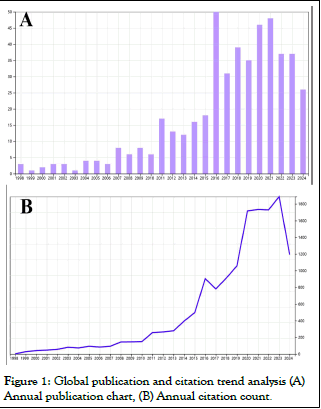
Figure 1: Global publication and citation trend analysis (A) Annual publication chart, (B) Annual citation count.
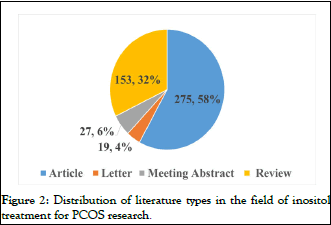
Figure 2: Distribution of literature types in the field of inositol treatment for PCOS research.
Note: A search conducted over the time span from 1998 to 2024 identified a total of 477 highly relevant publications. After excluding retracted and duplicate papers, the classification of literature types is as follows: The majority are academic papers (275; 58%), followed by reviews (153; 32%) and conference abstracts as well as materials solicited from society (46; 10%). The literature relevant to the research topic of this study is primarily composed of academic papers and reviews, accounting for 90% of the total.
National/regional contributions
As the issues of aging populations and negative population growth become increasingly severe, there is a growing focus on fertility issues, particularly on diseases related to reproduction. Consequently, research on inositol treatment for PCOS is receiving heightened attention. Scientists from 56 countries have contributed to this field [4]. However, due to the varying historical and cultural backgrounds, changes in agricultural conditions, economic considerations and other factors, the contributions from different countries are bound to differ (Figure 3).

Figure 3: Analysis of articles from different countries (A) Number of articles per year, (B) Collaborations among countries.
Figure 4, the visual map of countries, further uncovers the publication output and collaboration patterns in the research field of inositol treatment for PCOS. The size and color of the nodes provide a visual representation of each country's contribution, with Italy's significant contributions highlighted by the largest node, indicating the highest number of publications.
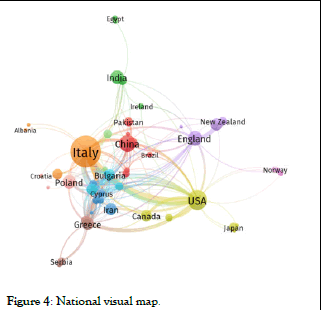
Figure 4: National visual map.
Note: In this study, the publication output of 56 countries was visualized using VOS viewer. In the map, the size of the circular nodes indicates the quantity of publications produced by a country, with larger nodes representing a higher number of publications. The thickness of the lines connecting the nodes signifies the strength of collaboration between two countries (thicker lines denote more frequent collaborative publications) and nodes of different colors represent different clusters.
Table 1 lists the top 10 countries by publication volume, with Italy leading at 208 papers and a relatively high average citation rate of 34.70 times, demonstrating the quality and impact of its research. Italy's prominent leadership in the field of inositol treatment for PCOS is attributed to its long-term investment in biomedical research and the accumulation of professional talent. The high output and citation rate of Italian scholars in this field suggest a high level of innovation and scientific influence. Additionally, Italy's advanced research facilities and interdisciplinary cooperation networks contribute to the advancement of research in this field.
| Rank | Country | Documents | Citations | Average citation/publication |
| 1 | Italy | 208 | 7218 | 34.7 |
| 2 | USA | 67 | 3894 | 58.12 |
| 3 | China | 44 | 1137 | 25.84 |
| 4 | England | 30 | 1231 | 41.03 |
| 5 | India | 26 | 312 | 12 |
| 6 | Poland | 26 | 500 | 19.23 |
| 7 | Greece | 21 | 610 | 29.05 |
| 8 | Australia | 20 | 998 | 49.9 |
| 9 | Iran | 19 | 227 | 11.95 |
| 10 | Canada | 16 | 1027 | 64.19 |
Table 1: Top 10 countries by publication volume.
The United States follows with 64 papers published, ranking second. Despite having fewer papers than Italy, the high citation rate of 58.12 times indicates that its research is highly innovative and influential. The research advantage of the United States stems from its solid foundation in biomedical sciences and robust financial support. Research institutions in the United States are typically highly competitive and innovative, facilitating breakthroughs in inositol treatment for PCOS research.
China ranks third with 44 papers and an average citation rate of 25.84 times, indicating the activity and research quality of Chinese scholars in this field. China's research contributions are related to its rapidly increasing investment in scientific research and attention to fertility health issues. The rapid development of China in the biomedical field, especially in clinical research and drug development, provides a solid foundation for its contributions to the inositol treatment for PCOS field [5].
It is noteworthy that Canada, despite having a smaller number of papers, has a high average citation rate of 64.19 times, signifying that Canadian research is highly original and influential.
Looking ahead, the research field of inositol treatment for PCOS is expected to continue developing along several key directions. Firstly, with the ongoing advancement of biomedical technology, personalized medicine and precision treatment strategies will become increasingly important to address the heterogeneity of PCOS. Secondly, the integration of interdisciplinary research methods, such as bioinformatics and systems biology, will offer new perspectives for a deeper understanding of PCOS's pathophysiological mechanisms. Moreover, the strengthening of international cooperation will promote global data sharing and collaborative research, accelerating the innovation and standardization of treatment methods.
The application of emerging technologies, such as gene editing and artificial intelligence, will further advance research in this field, enhancing treatment efficacy and research efficiency. Concurrently, as global attention to fertility health issues continues to grow, more countries and regions are expected to join the research on inositol treatment for PCOS, bringing new research dynamics and perspectives. Public health policies will also significantly impact the funding and direction of research, especially as fertility health issues garner increasing global attention.
In summary, the research field of inositol treatment for PCOS is in a period of rapid development, with future advancements expected to be multidimensional and interdisciplinary, involving personalized treatment, technological innovation, international cooperation and policy support. This will provide new solutions and treatment methods for the complex health issue of PCOS, propelling continuous progress and innovation in the field [6].
Institutional productivity and co-authorship analysis
Within the realm of bibliometrics, institutional productivity and co-authorship networks are key indicators for measuring research output and the structure of academic collaboration.
Figure 4, utilizing visualization techniques from VOS viewer, reveals the collaboration network among research institutions. The size of the nodes is proportional to the number of publications by each institution, while the thickness of the lines between nodes represents the intensity of collaboration. Four distinct collaboration clusters are observable in the figure, formed based on shared research interests, geographical proximity or similarities in academic traditions. The formation of these clusters plays a positive role in promoting knowledge sharing, technological exchange and interdisciplinary research. The strength and diversity of the co-authorship network are important reflections of the quality of academic collaboration. A closely-knit collaboration network helps foster innovative thinking and the optimization of research methods. Additionally, inter-institutional collaboration involves resource sharing, risk mitigation and the expansion of research perspectives.
Table 2 presents the top ten research institutions in the field of inositol treatment for PCOS in terms of publication volume. University Modena and Reggio Emilia tops the list with 33 published papers, attributed to the institution's focused research and the establishment of a professional team in this field. Following closely are Sapienza University of Rome and University Messina, whose high publication volumes reflect the depth and breadth of their research in this area. Notably, Virginia Commonwealth University, despite not having an advantage in publication volume, has an average citation rate per paper as high as 102.67 times, indicating that its research outcomes have significant academic impact and innovation, an important metric in the academic evaluation system.
| Rank | Institution | Documents | Citations | Average citation/Publication |
| 1 | Univsity Modena a Reggio Emilia | 33 | 1398 | 42.36 |
| 2 | Sapienza Univ Rome | 24 | 727 | 30.29 |
| 3 | Univsity Messina | 23 | 1112 | 48.35 |
| 4 | Virginia Commonwealth Univsity | 21 | 2156 | 102.67 |
| 5 | Experts Grp Inositol Basic and Clin Res Egoi | 18 | 234 | 13 |
| 6 | Univsity Roma La Sapienza | 18 | 846 | 47 |
| 7 | Univsity Pisa | 16 | 487 | 30.44 |
| 8 | Univsity Padua | 15 | 402 | 26.8 |
| 9 | Syst Biol Grp Lab | 13 | 153 | 11.77 |
| 10 | Univsity Catania | 13 | 446 | 34.31 |
Table 2: Top 10 institutions by publication volume.
Research institutions in the field of inositol treatment for PCOS demonstrate remarkable productivity and diverse collaboration patterns. These institutions have not only grown in number but also excel in quality and influence. Future research should further explore how to optimize the structure of collaboration networks to promote knowledge innovation and academic exchange, thereby advancing the scientific development of the field. At the same time, research institutions should focus on enhancing their research quality and international collaboration capabilities to maintain a leading position in global scientific competition.
Author productivity and co-authorship analysis
Analyzing the authors of literature can aid in identifying the core research focuses and key scholars within a specific field. According to Price's law, half of the articles are typically written by a group of prolific writers, which is roughly equivalent to the square root of all authors, known as Lotka's law. In this study, we utilized VOS viewer to visualize the authors, with the maximum number of published papers by a single author being 39. Consequently, authors who published 6 papers (inclusive of 6) were considered the main contributors in this research [7].
Figure 5, through the visualization techniques of VOS viewer, reveals the collaboration network among core authors. In this network, the size of the nodes is proportional to the number of papers published by each author, while the connections between nodes indicate the collaborative relationships between authors. Through this visualization, we can identify the main collaborators and potential collaborative groups within the field. Vittorio Unfer occupies a prominent position in this domain with 39 papers published. Based on the visualization analysis of Figure 5, Unfer's node is larger, indicating his prolific academic output. The connections from his node to several other authors indicate his extensive academic collaborations. Unfer's research focuses on the mechanisms by which inositol affects the metabolism and reproductive health of PCOS patients, as well as the exploration of clinical applications.
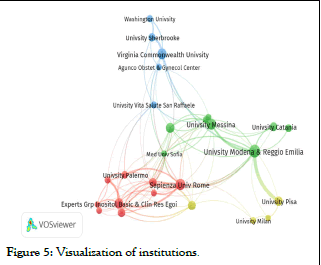
Figure 5: Visualization of institutions.
Note: A visualization analysis was conducted on institutions with six or more publications using VOSviewer to generate a visual map. In this map, the size of the circular nodes corresponds to the number of publications per institution. The thickness of the lines connecting the nodes indicates the degree of collaboration between institutions (thicker lines signify stronger collaboration). Nodes of different colors represent different clusters, with a total of four clusters displayed in the figure.
Antonio Simone Lagana's publication of 24 papers demonstrates his continuous contribution to the field. A direct connection between Lagana's node and Unfer's node indicates their direct academic cooperation. Lagana's research is dedicated to the development and application of specific inositol derivatives or the therapeutic response of specific patient populations.
Mariano Bizzarri's 18 papers and high average citation rate indicate the high impact of his research. Bizzarri's node is connected to other core authors but not as densely as Unfer's and Lagana's nodes, suggesting his in-depth research in specific subfields. Bizzarri's research is focused on the role of inositol in cellular signaling and metabolic pathways.
John E. Nestler is highly esteemed in the academic community for his high average citation rate of 63.09 times. Although his publication volume is not the highest, Nestler's node is connected to other authors with thicker lines, indicating the broad academic influence of his research. Nestler's research scope is broader, involving endocrinology, metabolic syndrome and mental disorders related to PCOS.
As shown in Table 3, the top three authors in terms of publication volume and global citation frequency are Unfer, Vittorio (39 publications, with an average of 35.74 citations), Lagana, Antonio Simone (24 publications, with an average of 33.08 citations) and Bizzarri, Mariano (18 publications, with an average of 35.28 citations). However, the author with the highest average citation rate is Nestler, John E., with 63.09 citations, indicating the high quality of his articles and widespread recognition among authors in the field [8].
| Rank | Author | Documents | Citations | Average citation/Publication |
| 1 | Unfer, Vittorio | 39 | 1394 | 35.74 |
| 2 | Lagana, Antonio Simone | 24 | 794 | 33.08 |
| 3 | Bizzarri, Mariano | 18 | 635 | 35.28 |
| 4 | Genazzani, Alessandro D. | 12 | 495 | 41.25 |
| 5 | Nestler, John E. | 11 | 694 | 63.09 |
| 6 | Facchinetti, Fabio | 9 | 489 | 54.33 |
| 7 | Carlomagno, Gianfranco | 9 | 536 | 59.56 |
| 8 | Bevilacqua, Arturo | 9 | 502 | 55.78 |
| 9 | Simoncini, Tommaso | 8 | 207 | 25.88 |
| 10 | Oliva, Mario Montanino | 7 | 244 | 34.86 |
Table 3: Top 10 authors by publication volume.
Analysis of high-impact journals
In bibliometric research, the analysis of journal impact is an essential component for assessing the dissemination and recognition of scientific research achievements. Identifying highimpact journals can reveal which publications within the field of inositol treatment for PCOS are recognized by the academic community as authoritative and high-quality sources of information. Table 4 lists the top 10 journals in the field of inositol treatment for PCOS in terms of publication count; these journals not only hold an advantage in the number of publications but also demonstrate their significance in academic citations.
| Rank | Journal | Documents | Citations | Average Citation/Publication |
| 1 | Gynecological Endocrinology | 60 | 2148 | 35.8 |
| 2 | European Review for Medical and Pharmacological Sciences | 40 | 1162 | 29.05 |
| 3 | International Journal of Endocrinology | 21 | 630 | 30 |
| 4 | International Journal of Molecular Sciences | 15 | 371 | 24.73 |
| 5 | Fertility and Sterility | 14 | 558 | 39.86 |
| 6 | Nutrients | 14 | 324 | 23.14 |
| 7 | Human Reproduction | 13 | 128 | 9.85 |
| 8 | Archives of Gynecology and Obstetrics | 9 | 239 | 26.56 |
| 9 | Cochrane Database of Systematic Reviews | 9 | 796 | 88.44 |
| 10 | Frontiers in Endocrinology | 8 | 209 | 26.13 |
Table 4: Top 10 journals by publication count.
The journal "Gynecological Endocrinology" leads the ranking with 60 published papers and an average citation rate of 35.80 times, reflecting not only its high volume of publications in this field but also the high impact and academic recognition of its papers. Following closely are the "European Review for Medical and Pharmacological Sciences" and the "International Journal of Endocrinology," with relatively high average citation rates, indicating their reputation and influence in the academic community [9].
Although the "Cochrane Database of Systematic Reviews" does not have the highest number of publications, its average citation rate is as high as 88.44 times. This remarkable figure indicates that the research findings published in this journal have extremely high academic value and practical guidance significance. This high citation rate is associated with the systematic reviews and meta-analyses published by the journal, which typically provide robust evidence to support clinical practice (Figure 6).
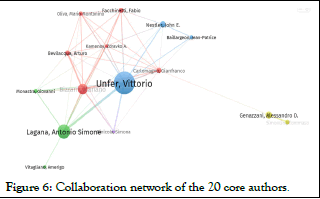
Figure 6: Collaboration network of the 20 core authors.
Note: VOSviewer conducted a visualization analysis of authors who have published six or more papers, generating a visual map of the collaboration network..
Researchers and academic institutions should pay attention to the publication trends and research directions of these highimpact journals to better position their research work and contribute to the scientific advancement of the field of inositol treatment for PCOS. At the same time, journal editors and the publishing community should also be aware of the importance of enhancing journal quality and impact to attract more highlevel research findings, thereby forming a positive academic ecological cycle.
Co-occurrence keyword analysis
An in-depth analysis of keywords provides a comprehensive perspective for understanding the research dynamics and development trends in the field of inositol treatment for Polycystic Ovary Syndrome (PCOS). The keyword burst chart in Figure 7 reveals the research hotspots and shifts in focus over time, while the keyword overlay visualization in Figure 8 demonstrates the interconnections and cluster formations between different research topics.
From the time series analysis in Figure 7, we observe the burst of certain keywords, which not only indicates the research interests of specific years but also reflects the impact of technological advancements, interdisciplinary integration and social and environmental factors on research. For instance, the burst of keywords such as metabolic syndrome, genomics and epigenetics indicates an increased exploration of the pathophysiological mechanisms of PCOS and the application of emerging technologies in this field. Meanwhile, the persistent appearance of keywords like insulin resistance and inflammation demonstrates the significance of these topics as ongoing research hotspots [10].
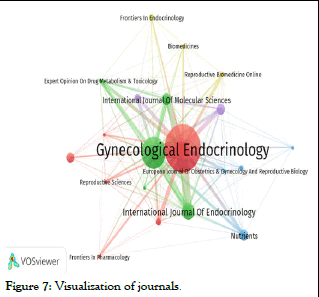
Figure 7: Visualization of journals.
Note: A visualization analysis was conducted using VOSviewer on institutions with five or more publications, generating a visual map in which the size of the circular nodes corresponds to the publication count of each institution. The thickness of the lines connecting the nodes represents the degree of collaboration between institutions (thicker lines indicate stronger collaboration). Nodes of different colors represent different clusters, with a total of five clusters displayed in the figure.
The keyword co-occurrence network in Figure 8 reveals the semantic relationships and cluster structures among research topics. Core keywords like inositol and PCOS have formed a closely-knit network around them, pointing to specific subfields such as metabolic abnormalities and reproductive health. Moreover, the formation of clusters not only promotes knowledge sharing and technological exchange but also provides fertile ground for interdisciplinary research. The co-occurrence of emerging technologies like gene editing and artificial intelligence suggests their potential application in PCOS treatment research.
The analysis of Figures 7 and 8 together shows that the research field of inositol treatment for PCOS is undergoing a multidimensional development process. This includes a wide range of research from basic biology to clinical applications, as well as a transition from single disciplines to interdisciplinary integration. The evolution of research methods, such as the application of high-throughput sequencing and proteomics, provides new tools for a deeper understanding of the complexity of PCOS. Additionally, the consideration of social and environmental factors, such as the importance of lifestyle interventions, is increasingly becoming a part of research. Furthermore, the burst and co-occurrence patterns of keywords also reveal potential gaps and future directions in research. Isolated or less connected keywords indicate research areas that require more attention, while persistent hotspots provide a basis for continuous research by scientific personnel. The influence of policies and funding is also reflected in the dynamic changes of keywords, such as the increase in related keywords driven by public health policies.
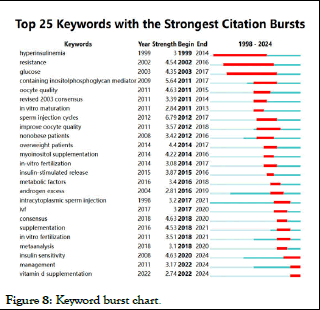
Figure 8: Keyword burst chart.
Note: CiteSpace was utilized to identify the top 25 most significant keywords based on the year of their emergence.
Overall, the analysis of Figures 7 and 8 provides us with a comprehensive understanding that the research field of inositol treatment for PCOS is an active, dynamic and continuously evolving academic domain. As research deepens and technology advances, we can anticipate that this field will continue to expand its research scope, integrate new disciplines and explore more effective treatment methods to address the complex health issue of PCOS.
The bibliometric analysis of this study provides a comprehensive understanding of the research dynamics in the field of inositol treatment for Polycystic Ovary Syndrome (PCOS), revealing extensive progress from basic research to clinical applications. By searching and analyzing data from the Web of Science core collection, we found that since 1998, there has been a significant increase in the number of relevant research documents, a trend closely related to the growing global concern for fertility health issues.
The analysis results indicate that countries such as Italy, the United States and China hold a leading position in terms of research output and impact in this field. Research institutions from these countries have not only increased in number but also demonstrated excellence in quality and international collaboration capabilities, reflecting their profound accumulation in the field of biomedical research and concentration of professional talent. In particular, Italian research institutions have shown a significant leadership position in the field of inositol treatment for PCOS, with their high publication volume and average citation rate.
Furthermore, journals such as "Gynecological Endocrinology" rank first in terms of publication volume and average citation rate, reflecting not only their high publication volume in this field but also the high impact and academic recognition of their papers. The research outcomes published in these journals provide strong evidence to support clinical practice and play an important role in promoting scientific progress in this field.
The keyword co-occurrence network analysis reveals the intrinsic connections and cluster structures among research topics, with "inositol" and "PCOS" as core keywords closely linked to subfields such as metabolic abnormalities and reproductive health. The emergence of new technology keywords, such as "gene editing" and "artificial intelligence," indicates the integration and application of interdisciplinary research methods and technologies in this field, providing a new perspective for future research directions.
However, to gain a deeper understanding of the development trends of inositol treatment for PCOS, we must consider the evolution of research methods, social and environmental factors and the impact of policies and funding. The application of technologies such as high-throughput sequencing and proteomics provides new tools for a deeper understanding of the complexity of PCOS. At the same time, the importance of social and environmental factors, such as lifestyle interventions, is increasingly becoming a part of research and requires more attention in future studies. In addition, the formulation and implementation of public health policies will also have a significant impact on the funding and direction of research.
Looking ahead, the research field of inositol treatment for PCOS needs to make more efforts in personalized medicine and precision treatment strategies. With the increasing understanding of the heterogeneity of PCOS, researchers need to develop personalized treatment plans based on the specific genetic backgrounds and biomarkers of patients. At the same time, the integration of interdisciplinary research methods, such as bioinformatics and systems biology, will provide new perspectives for a deeper understanding of the pathophysiological mechanisms of PCOS. The strengthening of international cooperation and the promotion of data sharing will accelerate the innovation and standardization of treatment methods, improving the efficiency and quality of research.
In summary, the research field of inositol treatment for PCOS is in a rapidly developing stage and future research will be a multidimensional and interdisciplinary integration process. By continuously optimizing the structure of collaboration networks and promoting knowledge innovation and academic exchange, this field is expected to provide new solutions and treatment methods for the complex health issue of PCOS, driving continuous progress and innovation in the field (Figure 9).
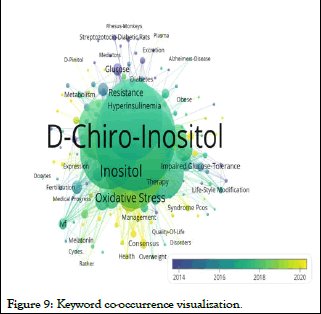
Figure 9: Keyword co-occurrence visualization.
Note: The analysis involved inspecting the source files with VOSviewer and identifying a total of 982 keywords. Keywords that occurred five or more times were selected to create a keyword visualization network, resulting in six clusters.
This study presents a comprehensive analysis of the current state and global trends of research on inositol treatment for Polycystic Ovary Syndrome (PCOS), highlighting significant advancements in this field since 1998. Currently, research is primarily focused on exploring the mechanisms by which inositol improves the metabolic and reproductive health of PCOS patients and optimizing its clinical applications. Countries such as Italy, the United States and China hold a leading position in terms of research output and academic influence in this field, reflecting their profound accumulation in the biomedical research domain.
In the future, research in this field is expected to further intensify, particularly in the development of personalized medicine and precision treatment strategies. Considering the heterogeneity of PCOS, studies will place greater emphasis on personalized treatment plans based on the specific genetic backgrounds and biomarkers of patients. Moreover, the application of interdisciplinary technologies such as gene editing and artificial intelligence heralds innovation in therapeutic approaches and research methodologies. Additionally, the strengthening of international cooperation and data sharing will foster collaborative research worldwide, accelerating the innovation and standardization of treatment methods..
This study provides researchers with a macroscopic view of the development trajectory of the inositol treatment for PCOS field, including its history, current state and trends, offering valuable references for effective exploration in this area. As research continues to delve deeper, we anticipate that this field will bring more effective and personalized treatment options to PCOS patients, thereby improving their quality of life and offering new strategies for global fertility health issues.
Rutong Wang: Data curation; investigation; resources; data organization; writing-original draft (lead author); conceptualization; formal analysis.
Yanhong Wei: Data organization; investigation; writing-original draft.
Bingsheng Huang: Investigation; writing-original draft.
Weihua Nong and Xiaocan Lei: Conceptualization; methodology; project administration; supervision; writing-review and editing.
Not applicable.
No animals/humans were used in this study.
The data and supportive information are available in the article.
This work was supported by the 2022 scientific research and technology development program of Baise city (no. 20224124) and hunan province innovation and entrepreneurship training program for college students (no. s202410555233).
The authors declare no financial or other conflicts of interest.
Thanks are extended to clinical anatomy and reproductive medicine application institute, Hengyang Medical School, University of South China, for their assistance.
[Crossref] [Google Scholar] [PubMed]
[Crossref] [Google Scholar] [PubMed]
[Crossref] [Google Scholar] [PubMed]
[Crossref] [Google Scholar] [PubMed]
[Crossref] [Google Scholar] [PubMed]
[Crossref] [Google Scholar] [PubMed]
[Crossref] [Google Scholar] [PubMed]
[Crossref] [Google Scholar] [PubMed]
Citation: Wang R, Wei Y, Huang B, Weihua N, Lei X (2025) A Comprehensive Bibliometric Analysis of Myo-inositol Treatment in Polycystic Ovary Syndrome: Global Research Trends, Collaborations and Future Directions. Endocrinol Metab Syndr. 14:440.
Received: 12-Aug-2024, Manuscript No. EMS-24-33467; Editor assigned: 15-Aug-2024, Pre QC No. EMS-24-33467 (PQ); Reviewed: 29-Aug-2024, QC No. EMS-24-33467; Revised: 03-Jan-2025, Manuscript No. EMS-24-33467 (R); Published: 10-Jan-2025 , DOI: 10.35248/2161-1017.25.14.440
Copyright: © 2025 Wang R. This is an open-access article distributed under the terms of the Creative Commons Attribution License, which permits unrestricted use, distribution and reproduction in any medium, provided the original author and source are credited.